
Desserts
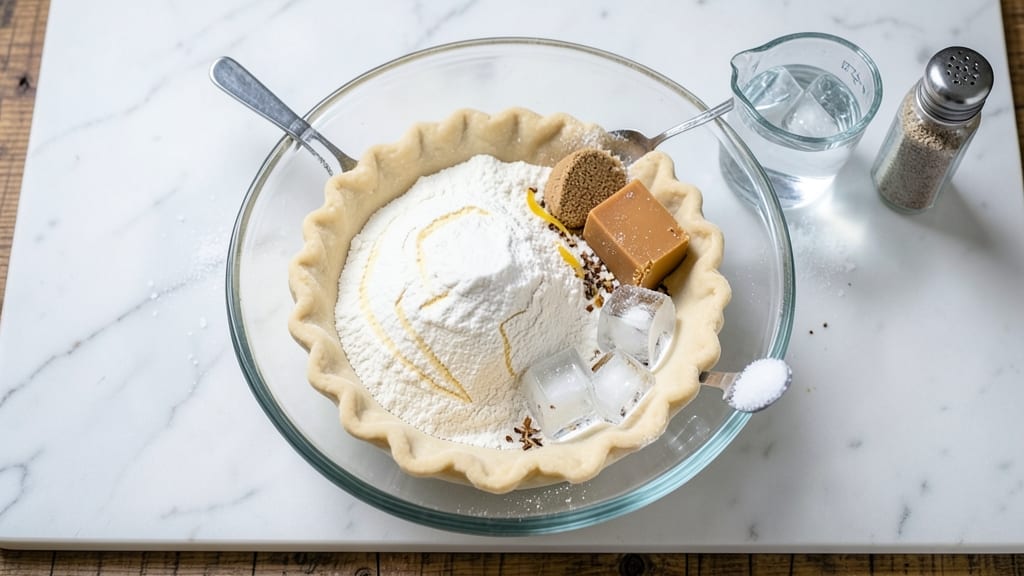
A 1 9-inch pie crust recipe with shatterproof crunch starts with cold butter layered between flour and ice water—this recipe delivers the perfect foundation for any dessert. The secret lies in precise measurements and proper chilling, which prevent cracking and ensure a tender yet sturdy crust.
Whether you're baking a classic apple pie or a rich chocolate cream pie, this single crust method guarantees a golden, flaky result every time.
This recipe uses 6 tablespoons of cold butter, cut into small pieces and distributed evenly between layers of flour and ice water. The key to success is keeping everything cold—from the butter to the dough—so it handles easily when rolling.
With just 15 minutes of prep and 30 minutes of chilling, you’ll have a smooth, even crust ready for filling. The result? A crisp, buttery crust that holds its shape under even the heaviest fillings.
What sets this crust apart is its foolproof technique for avoiding common pitfalls like shrinking or cracking. By working quickly and avoiding overhandling, you’ll achieve a perfectly round, 9-inch crust that’s sturdy enough for blind baking or filling immediately.
The cold butter creates flaky layers, while the ice water adds structure without making the dough tough.
Once baked, this crust will have a golden, caramelized edge with a tender interior—ideal for both sweet and savory pies. Whether you’re a beginner or a seasoned baker, this method ensures consistent results. Let’s get started on the perfect foundation for your next pie.
Ingredients for 1 9 inch pie crust
Cold butter, precise flour layers, and ice water create the perfect 9-inch crust foundation.
| Ingredient | Amount | Notes |
|---|---|---|
| All-Purpose Flour 🌾 | 2 ½ cups | Unbleached, sifted for even texture |
| Unsalted Butter 🧈 | ¾ cup | Cold, cubed into 1/2-inch pieces |
| Ice Water 💧 | ⅓ cup | Freshly chilled, not tap water |
| Fine Sea Salt 🧂 | ½ tsp | Diamond Crystal preferred |
| Granulated Sugar 🍚 | 1 tbsp | For subtle sweetness balance |
| Ice Cubes ❄️ | 1 cup | For dough handling and chilling |
| Plastic Wrap 📄 | 1 sheet | For dough sealing |
| Flour (for dusting) 🌾 | ¼ cup | Additional for rolling |
| Pie Weights or Dried Beans 🥣 | ½ cup | For blind baking |
The butter must be cold—pop it in the freezer for 15 minutes before cutting it into small cubes. European-style butter like Plugrá or President has higher fat content (82-86%), which yields more flaky layers. If your butter is too soft, chill it longer—this is non-negotiable for that shatterproof crunch. The flour should be sifted before measuring; this aerates it and prevents dense dough. For the ice water, use freshly crushed ice combined with cold water—never warm water, as it melts too quickly and can make the dough sticky. King Arthur or Bob's Red Mill flour brands work best for pie crusts due to their protein balance.
No ice cubes on hand? Freeze water in an ice tray for quick access—this keeps your dough cold during handling. Substituting salt? Diamond Crystal measures differently than Morton; use half the amount if switching. The sugar is optional but enhances browning and tenderness. For a vegetarian-friendly crust, ensure your butter is dairy-free if needed. If you're blind baking, pie weights are ideal, but dried beans or rice work in a pinch—just don’t bake them. The dough should be cool to the touch before rolling; if it’s warm, return it to the fridge for 10 minutes. Never overwork the dough—handle it only when necessary to prevent gluten development, which makes the crust tough.
Wrap the dough tightly in plastic wrap and refrigerate for at least 30 minutes before rolling—this prevents shrinking. For longer storage, freeze the wrapped dough for up to 2 months; thaw in the fridge overnight before using. The crust keeps 3 days in the fridge once rolled out. To prevent cracking, avoid overfilling with wet ingredients; pre-bake the crust for 10 minutes at 375°F (190°C) if needed. For a golden finish, brush the baked crust with egg wash (1 egg + 1 tbsp water) or melted butter before adding fillings. Leftovers? Reheat at 350°F (175°C) for 10 minutes to restore crispness.
Why You'll Love This Recipe
- Foolproof First Try: I’ve never had a pie crust turn out wrong with this method—just cold butter, ice water, and a few pulses in the food processor. No rolling pins, no stress, just a smooth dough that behaves.
- Butter-Laced Magic: That cold, cubed butter melting into the flour? It creates layers so flaky you’ll want to eat it plain. Honestly, the sugar in the dough adds a subtle caramel note that makes everything—pumpkin pie, galettes, whatever—taste next-level.
- One Dough, Endless Uses: Between us, this crust is my secret weapon for weeknight dinners. Use half for a quiche, the other for a mini fruit tart, or freeze the rest for when you suddenly remember it’s Thanksgiving. No waste, all wins.
- Pantry Staple Power: Five ingredients, all of which you already own. No specialty flours, no weird substitutes—just flour, butter, salt, and sugar. And since it keeps for days in the fridge, you’re always ready for pie emergencies. (Yes, even on a Tuesday night.)
Step-by-step instructions for cold butter pie crust
This method delivers a flaky, shatterproof crust with perfect cold butter layers—no shortcuts, just precision.
Combine Dry Ingredients and Cut in Butter
In a large mixing bowl, whisk together the 2.5 cups all-purpose flour, 0.5 teaspoon fine sea salt, and 1 tablespoon granulated sugar until evenly distributed. This ensures uniform flavor and texture throughout the crust.
Add the 0.75 cup unsalted butter, still cold and cubed into ½-inch pieces. Using a pastry cutter or two forks, work the butter into the flour mixture until you achieve pea-sized crumbs with some flour still visible. This texture is crucial—it creates the flaky layers when baked. If the butter starts to melt, chill the mixture for 5 minutes to restore its firmness.
Incorporate Ice Water Gradually
Place the bowl over a sink and gradually add the 0.33 cup ice water, 1 tablespoon at a time, using a small spoon or rubber spatula. Mix gently just until the dough begins to come together. Overmixing develops gluten, which leads to a tough crust. The dough should hold its shape when pressed but still feel slightly crumbly—this is the ideal consistency for handling.
If the dough feels too dry, add 1 more tablespoon ice water. If it's too wet, sprinkle in 1 tablespoon additional flour. The goal is a cohesive dough that doesn't stick to your hands or the bowl. Wrap the dough tightly in plastic wrap and refrigerate for at least 1 hour to firm up completely.
Roll and Fit the Dough into the Pan
Lightly dust a clean surface with 0.25 cup flour for dusting and roll the chilled dough into a 12-inch circle, about ⅛-inch thick. Gently transfer the dough to a 9-inch pie dish, letting it drape slightly over the edges. Press it into the bottom and sides of the pan, trimming any excess dough flush with the rim. The crust should fit snugly without tearing.
For a classic double-crust pie, roll out a second 12-inch circle of dough and set it aside. If making a single crust, proceed to blind baking. If using a double crust, save the top dough for later assembly. Chill both dough pieces for 15 minutes before further handling to maintain their shape.
Blind Bake for a Perfect Foundation
Preheat the oven to 375°F. Line the chilled crust with parchment paper and fill it completely with the 0.5 cup pie weights or dried beans. This prevents the crust from puffing up during baking. Bake for 15 minutes, then remove the weights and parchment. Return the crust to the oven and bake for an additional 10-12 minutes until the edges are golden brown and the bottom is lightly browned.
For a double-crust pie, roll out the second dough circle, trim it to fit the bottom crust, and seal the edges with a fork or your fingers. Cut a few slits in the top crust to allow steam to escape. Bake the assembled pie at 375°F for 40-45 minutes, or until the crust is deep golden brown and the filling is bubbly. The crust should be crisp yet tender, with no signs of sogginess.
Pro Tips For Making 1 9 Inch Pie Crust
- Cut Butter in Small Batches: I learned this the hard way—dumping all the cold butter at once just makes a mess. Work in 2-3 tablespoon chunks at a time, pulsing until it’s pea-sized. That way, you avoid overworking the dough and keep the texture tender.
- Use Ice Water, Not Cold: Sounds weird, but it works: ice water (not just cold) keeps the dough from warming up too fast. Fill a measuring cup with ice cubes, top with water, and let it melt just enough to measure. The shock of cold slows gluten development—your crust will stay flaky, not tough.
- Press, Don’t Roll: Rolling dough stresses it, making it shrink and lose its flakiness. Instead, press the chilled dough into the pan with your fingertips, then lift and re-center it to avoid gaps. A glass works too—just run it around the edges for a clean fit.
- Salt the Butter, Not Just the Dough: I skip this at my peril: the butter already has salt, but the dough needs extra. Sprinkle the full ½ teaspoon of sea salt directly over the butter before mixing—it dissolves better and seasons every layer. (Yes, even if your butter is unsalted, the dough needs the boost.)
Flavor customization for this recipe
Sweet Variations
Add 1 teaspoon cinnamon or ½ teaspoon vanilla extract to the dough for subtle sweetness—perfect for fruit pies. For a richer flavor, replace ¼ cup of the butter with ¼ cup brown sugar, creating a crumbly topping texture.
I love this trick for pecan or berry pies where the crust needs to complement sweet fillings. 🍯
Herb-Infused Crusts
Fresh herbs elevate savory pies like chicken pot pie or spinach quiche. Finely chop 1 tablespoon fresh thyme or rosemary and mix it into the flour before cutting in the butter.
For a Mediterranean twist, add 1 teaspoon dried oregano alongside the salt. The herbs infuse the butter beautifully during baking, adding depth without overpowering.
Spiced Options
For a fall-inspired crust, add ½ teaspoon ground nutmeg and ¼ teaspoon allspice to the dry ingredients. This works wonderfully with pumpkin or apple fillings. If you prefer warmth without sweetness, swap the sugar for ½ teaspoon smoked paprika—ideal for savory galettes or wild mushroom pies.
The spices develop richly during the blind-bake stage. 🌶️
Nutty Enhancements
Toast ¼ cup chopped walnuts or pecans until fragrant, then pulse them in a food processor until finely ground. Mix these into the flour before adding butter for a nutty, textured crust.
This variation adds crunch and pairs beautifully with sweet or savory fillings. For extra richness, fold in 1 tablespoon melted butter with the nuts before mixing.
Cheese-Inspired Twists
For a savory crust with a tangy kick, mix ¼ cup grated sharp cheddar or feta into the flour before cutting in the butter. This works brilliantly for quiches or savory tarts.
For a creamy variation, replace 2 tablespoons of the butter with 2 tablespoons cream cheese, creating a tender, slightly rich texture. The cheese adds a subtle umami note that balances hearty fillings.
Global Flavors
Transform your crust into a pesto version by blending 2 tablespoons basil pesto with the ice water before mixing. For an Italian touch, add ½ teaspoon garlic powder and ¼ teaspoon dried basil to the flour.
Japanese-inspired crusts benefit from 1 teaspoon sesame seeds** sprinkled on top before baking, adding a nutty aroma and visual appeal. These adaptations let you adapt the crust to global cuisines while keeping the foundational technique intact. 🌍
Nutrition facts
Frequently asked questions
Can I use this recipe for a double-crust pie?
Yes! This recipe makes enough dough for both top and bottom crusts if you divide it evenly. Roll out the first crust, fit it into your 9-inch pie dish, then chill the second dough piece for 15 minutes before rolling it out for the top. The chilling step prevents the dough from sticking or shrinking when you assemble the pie.
Why does my pie crust crack when baking?
Cracking usually happens when the dough isn't properly chilled or when it's too warm before baking. Always refrigerate the dough for at least 1 hour and let it sit at room temperature for just 5-10 minutes before rolling. If the kitchen is warm, chill the dough longer. Avoid overfilling with wet ingredients, which can cause steam pressure and cracks.
Can I substitute butter with shortening?
You can, but the texture will differ. Shortening creates a flakier, more stable crust that holds up better to soggy fillings, while butter adds rich flavor. If substituting, use 6 tablespoons shortening and reduce the ice water by 1 tablespoon since shortening doesn't melt like butter. The crust will be less tender but more sturdy.
How do I prevent a soggy bottom in fruit pies?
Pre-bake the crust for 10-12 minutes at 375°F with pie weights or dried beans before adding filling. This creates a barrier between the crust and wet ingredients. For extra insurance, brush the pre-baked crust with a thin layer of egg wash or melted butter before adding the filling. This simple step keeps the crust crisp even with juicy fillings.
Can I make this crust ahead of time?
Shape the dough into a disk, wrap it tightly in plastic, and refrigerate for up to 3 days. For longer storage, freeze the wrapped dough for up to 2 months. Thaw it overnight in the fridge before rolling. This saves time on baking day and ensures the dough stays cold and workable.