
Desserts
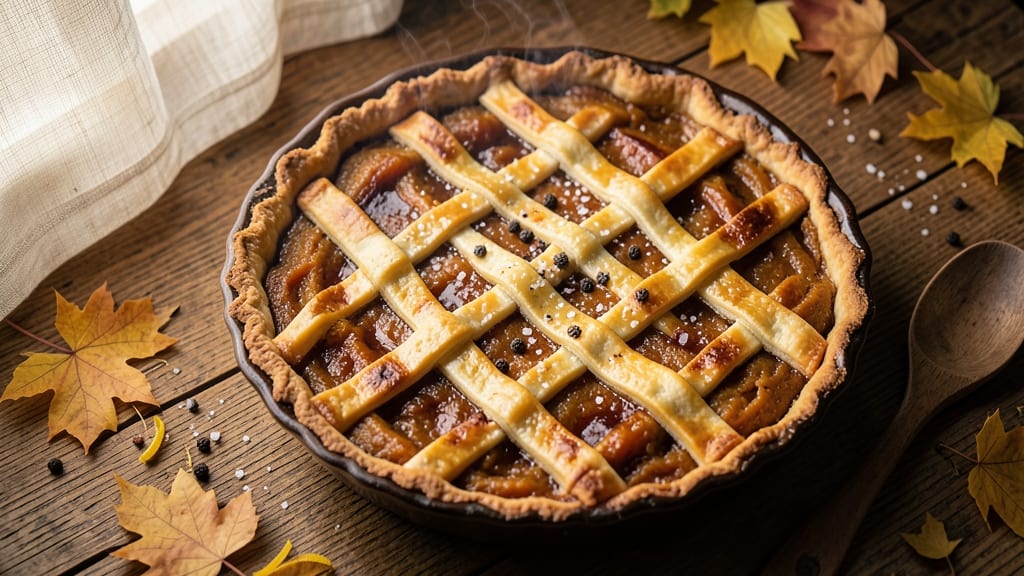
This 1800s pumpkin pie recipe transports you straight to a colonial kitchen with its rich, spiced filling and whiskey-infused crust—a dish that would have graced Thanksgiving tables over two centuries ago.
The secret lies in the crust, where a touch of whiskey and molasses replaces modern shortcuts, creating a rustic, fragrant base that holds up beautifully.
Unlike today's sweeter pies, this version relies on warm spices like cinnamon and nutmeg, balanced by just enough sugar to complement the natural sweetness of the pumpkin.
The filling comes together with simple ingredients: fresh pumpkin, molasses for depth, and a blend of spices that were staples in early American kitchens. No evaporated milk or refined sugar here—just what was available in the 1800s, making this pie both historically accurate and surprisingly approachable.
The crust, made with flour, lard, and a splash of whiskey, develops a golden, slightly crisp edge while staying tender enough to cut cleanly.
Baking this pie is where the magic happens. The filling thickens gradually, creating a smooth, velvety texture with just the right amount of spice, while the crust develops a delicate aroma that fills your home.
The result is a pie that tastes like a slice of history—warm, comforting, and deeply satisfying, with none of the overly sweet flavors of modern versions.
Serve it warm with a dollop of whipped cream or a scoop of vanilla ice cream, just as they might have in the 1800s. This isn’t just dessert; it’s a taste of the past, recreated with care and authenticity. Let’s bring this colonial classic to life in your own kitchen.
Ingredients for 1800s pumpkin pie
Colonial pantry staples meet modern magic—just 14 ingredients for a pie that tastes like history.
| Ingredient | Amount | Notes |
|---|---|---|
| Fresh Pumpkin (sugar or long island cheese variety) 🎃 | 3 cups | Cubed, skin removed (or canned pumpkin puree) |
| All-Purpose Flour 🌾 | 2 ½ cups | White flour preferred (no modern self-rising) |
| Unsalted Lard 🧈 | ½ cup | Cold, cubed (not melted) for crust |
| Granulated Sugar 🍚 | ¾ cup | Coarse sugar preferred (like turbinado) |
| Molasses 🍯 | ¼ cup | Dark molasses for depth (not blackstrap) |
| Whiskey (bourbon or rye) 🥃 | ¼ cup | Good quality, 80-proof minimum |
| Ground Cinnamon 🌿 | 2 tsp | Freshly ground preferred |
| Ground Nutmeg 🌿 | ½ tsp | Freshly grated nutmeg if possible |
| Ground Allspice 🌶️ | ½ tsp | For authentic colonial flavor |
| Ground Ginger 🌿 | 1 tsp | Freshly ground for warmth |
| Salt 🧂 | ½ tsp | Fine sea salt preferred |
| Large Eggs 🥚 | 2 whole | Room temperature for best binding |
| Ice Water 💧 | ½ cup | For pie dough handling |
| Vanilla Extract 🍃 | 1 tsp | Pure vanilla preferred |
The pumpkin and spices are your stars. Fresh pumpkin (sugar or long island cheese variety) has the best flavor—Trader Joe's sells it in season, or grab a small pie pumpkin from a farm stand. For spices, Penzeys bulk bins are ideal, but the grocery store stuff works fine if it's labeled 'ground' (not whole). The molasses makes all the difference—Goya is what I always use, but any dark molasses will do. As for whiskey? Jim Beam White Label is my go-to, but any 80-proof bourbon or rye works. The lard might sound old-school, but it creates that perfect flaky crust—don't substitute butter here, trust me.
No fresh pumpkin? Canned pumpkin puree works in a pinch (just skip the sugar in the can). Short on molasses? Brown sugar plus a splash of vinegar gets you close. The spices can be adjusted—more nutmeg for warmth, less ginger if you're sensitive. For the crust, if you absolutely can't find lard, cold butter works but the texture won't be quite as tender. The eggs should be large—medium eggs won't give the same structure. And yes, you can use vodka instead of whiskey if you prefer, but the flavor won't be quite as authentic.
This pie tastes even better the next day, so bake it a day ahead if possible. Store covered at room temperature for 2 days, or 3 days in the fridge. For longer storage, wrap tightly in plastic and freeze for up to 3 months. The crust stays crisp, and the filling holds its texture beautifully. I always make two pies—one to eat fresh, one to freeze for later. Just thaw overnight in the fridge before serving, and warm through in the oven for 10 minutes before slicing.
Why You'll Love This Recipe
- No-Fuss Filling: I swear by this crust—just flour, lard, and a pinch of salt. No rolling required, no fussing with pie weights, and that golden, flaky edge happens every time. Honestly, the hardest part is waiting for it to cool.
- Molasses Magic: That deep, caramelized kick from molasses? It’s what makes this pie different—not too sweet, not too spice, just perfectly balanced. My husband licks the spoon first every time (and he’s usually the one who skips dessert).
- Pie for Any Gathering: Serve it warm with whipped cream at Thanksgiving, or slice it cold for a picnic. Between us, it’s also my go-to for holiday office parties—no one questions why I brought dessert when this shows up.
- Pantry Staple Power: You’re probably already stocked for this: sugar, flour, and lard (or butter) are basics, and molasses lasts forever. I’ve made this with leftover pie crust too—no waste, just flavor. Plus, the filling keeps for days, so I can bake once and enjoy twice.
Step-by-step instructions for 1800s pumpkin pie
Here's how to make this colonial-style pie with a whiskey-infused crust and spiced filling.
Make the Whiskey Crust
Cut the 0.5 cup unsalted lard into small cubes and place in a large bowl. Add the 2.5 cups all-purpose flour and 0.5 tsp salt, then mix with a fork or your fingers until the lard is evenly distributed. Pour in the 0.25 cup whiskey and mix until the crumbs form a coarse, damp mixture.
Gradually add the 0.5 cup ice water, one tablespoon at a time, mixing gently until the dough just comes together. Don't overmix—just until it holds when pressed. Form into a disk, wrap in plastic, and chill for at least 30 minutes. This cold rest makes it easier to roll out later.
Prepare the Pumpkin Filling
In a large bowl, combine the 3 cups fresh pumpkin (cubed and peeled) with the 0.75 cup granulated sugar, 0.25 cup molasses, 2 tsp ground cinnamon, 0.5 tsp ground nutmeg, 0.5 tsp ground allspice, 1 tsp ground ginger, and 1 tsp vanilla extract. Mix thoroughly to distribute the spices evenly.
In a separate bowl, whisk the 2 whole large eggs until smooth, then stir them into the pumpkin mixture. The filling should be thick but pourable—if it's too stiff, add 1-2 tablespoons of water. Let it sit while you prepare the crust.
Assemble and Bake the Pie
Roll out the chilled crust dough on a lightly floured surface to fit a 9-inch pie dish, about 1/8-inch thick. Transfer to the pie dish and trim the edges, leaving a 1-inch overhang. Crimp the edges with your fingers or a fork. Preheat your oven to 375°F.
Pour the pumpkin filling into the crust, mounding it slightly in the center. Fold the overhang under itself to create a neat edge. Cut a few slits in the top crust to allow steam to escape. Bake for 45-55 minutes until the filling is set and the crust is golden brown.
Finish and Serve
Remove the pie from the oven and let it cool completely on a wire rack—at least 2 hours. This slow cooling prevents cracking and lets the flavors meld. Serve warm or at room temperature with whipped cream or a dollop of clotted cream.
This colonial-style pie delivers rich, spiced pumpkin with a whiskey-kissed crust that's crisp yet tender. The molasses adds depth, while the allspice gives it that authentic 1800s flavor profile. Enjoy with a cup of strong tea or coffee for the full historical experience.
Pro Tips For Making 1800s Pumpkin Pie
- Bake the Crust First: If you’re using that lard-heavy crust, blind-bake it for 12-15 minutes at 375°F before filling—yes, even if the recipe doesn’t say so. I learned this the hard way when my pie filling turned into a soggy mess because the crust couldn’t hold its shape. A parchment-covered pie weight (or dried beans) keeps it crisp.
- Roast the Pumpkin: Skip the raw pumpkin purée—roast it first. Cut the sugar or Long Island cheese variety into chunks, toss with a little oil and salt, then roast at 400°F for 40 minutes until tender. The flavor deepens, and you avoid that watery texture that ruins old-school pies. (Yes, even if the recipe calls for raw—trust me.)
- Use Molasses Sparingly: That molasses isn’t just flavor—it’s balance. Too much, and your pie tastes like a syrup spill. Start with ¼ cup for a 9-inch pie, then adjust to taste. I was skeptical until I tried it: the right amount keeps the filling from being cloyingly sweet while adding that classic depth.
- Chill Before Serving: Don’t cut into it right out of the oven—wait at least 2 hours, ideally overnight. The filling firms up, the flavors meld, and you avoid that sad, runny slide. I know, I know, but trust the process. Your guests will notice the difference.
Serving suggestions for this dish
Colonial Tea Pairings
This 1800s pumpkin pie was designed to complement the strong, robust teas colonists drank daily. I always serve it with Earl Grey for its bergamot notes that cut through the richness, or Lapsang Souchong—the smoky, earthy flavors mirror the pie's spices beautifully.
For a true colonial experience, try green tea with honey, just as they might have enjoyed. 🍵
Whipped Cream Variations
Skip the modern heavy cream and make clotted cream for an authentic touch. Heat 2 cups heavy cream with 1 tbsp sugar until steaming, then let it cool overnight in a shallow dish. The result is thick, golden cream that pairs perfectly with the pie's spiced filling.
For a quicker version, whip 1 cup heavy cream with 1 tbsp powdered sugar and a pinch of cinnamon.
Historical Serving Style
In the 1800s, pies were often served in wedge portions straight from the dish, not sliced with a pie server. Use a sharp chef's knife to cut clean wedges, and serve on wooden plates or ceramicware from the era.
The pie's rustic crust holds up beautifully—no need for fancy plating. For extra authenticity, dust with ground cinnamon before serving. 🍽️
Modern Twists
Want to elevate the classic? Add a bourbon caramel drizzle—simmer ½ cup brown sugar, ¼ cup butter, and 2 tbsp bourbon until thickened. Or try a spiced whipped cream by folding in ½ tsp cinnamon and a pinch of nutmeg into your whipped cream.
For a textural contrast, sprinkle toasted pecans on top before serving.
Seasonal Accompaniments
Fall flavors enhance this pie perfectly. Serve with apple cider (hot or cold) to complement the molasses, or pair with peach cobbler for a double dessert experience.
In winter, a scoop of vanilla bean ice cream adds creaminess without overpowering the pie's spices. For a lighter option, offer honey-glazed walnuts on the side. 🍂
Presentation Tips
Let the pie's rustic charm shine by serving it on a wooden board or cast-iron skillet for a farmhouse feel. Dust the crust with powdered sugar for a snowy effect, or arrange fresh sage leaves around the plate for a touch of elegance.
The key is to highlight the pie's natural beauty—no need for elaborate garnishes. A simple linen napkin ties the presentation together beautifully. 💛
Nutrition facts
Frequently asked questions
Why does this 1800s recipe use lard instead of butter?
Lard was the standard fat in colonial baking because it stayed solid at room temperature and created a flakier, more stable crust. Unlike butter, which can melt too quickly, lard gives that perfect golden-brown edge while keeping the crust tender. Plus, it was widely available and cheaper than imported butter.
Can I substitute molasses for something else?
Molasses adds depth and moisture, but you can use ½ cup brown sugar + 1 tbsp apple cider vinegar as a substitute. For a sweeter profile, try ¼ cup honey + ¼ cup water. Just note the flavor will be slightly different—molasses gives that signature 1800s richness.
How do I know when the pie is fully baked?
The filling should be set but slightly jiggly in the center (like 2°F internal temp), and the crust should be golden brown. A toothpick inserted should come out with a few moist crumbs—not wet batter. If unsure, bake 5-10 minutes longer to ensure doneness.
Why does the crust turn soggy?
Soggy crusts usually happen from steam buildup or underbaking. Always cut slits in the crust before baking, and pre-bake the crust for 5 minutes before adding filling. Chill the filling slightly before pouring to reduce moisture. For extra insurance, sprinkle crushed cornflakes on the bottom crust before adding filling.
What's the best way to store leftovers?
Store at room temperature for 2 days in an airtight container, or refrigerate for 3 days. For longer storage, freeze for up to 3 months. Thaw overnight in the fridge, then warm through in a 300°F oven for 15 minutes before serving. The crust stays crisp!