
Desserts
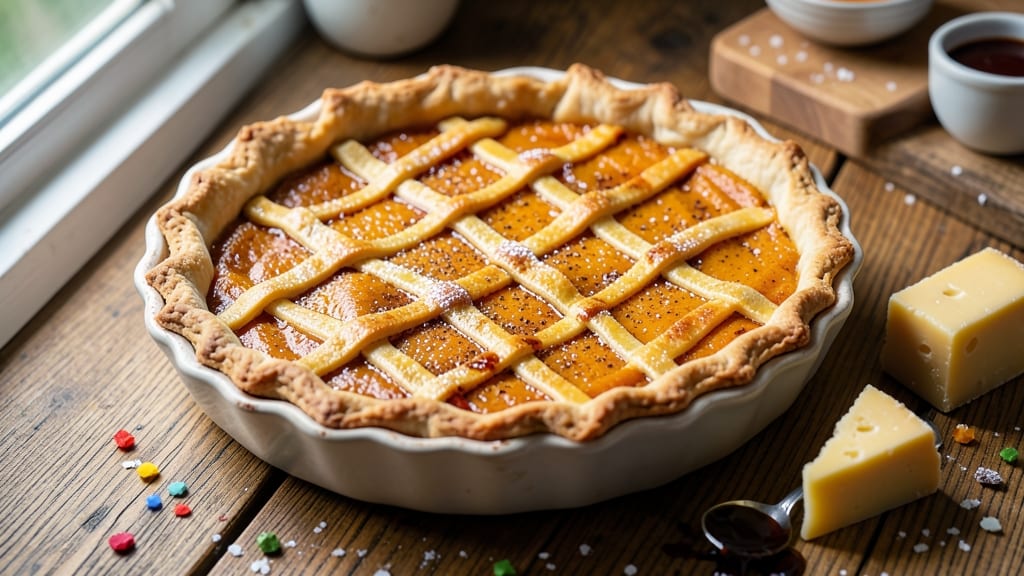
This 18th-century pumpkin pie recipe transports you straight to colonial kitchens with its spiced crust and rich, molasses-infused filling. 🌟 Unlike modern versions, this pie relies on whole spices, molasses, and a simple crust made with just flour, butter, and salt—no shortcuts, no refined sugar.
The filling achieves its signature texture through slow baking, creating a tender, custard-like center with a caramelized top.
The beauty of this recipe lies in its authenticity—no canned pumpkin or artificial flavors here. Instead, you’ll use fresh pumpkin (or cooked, mashed sweet potatoes as a period-appropriate substitute), molasses for depth, and a blend of warm spices like nutmeg and cinnamon that were staples in 18th-century pantries.
The crust, though humble, develops a delicate crisscross pattern as it bakes, adding rustic charm to every slice.
What makes this pie truly special is its molten filling, achieved by baking it just until the edges set while keeping the center soft and custardy. The spices infuse the pumpkin with warmth, while the molasses adds a subtle complexity that modern recipes often miss.
Each bite delivers a perfect balance of sweetness, spice, and creamy texture—just as it would have at a colonial harvest feast.
Perfect for historical reenactments, Thanksgiving gatherings, or anyone craving a taste of the past, this pie is a labor of love that rewards patience with unmatched flavor. Let’s bring this tradition to life in your own kitchen.
Ingredients for 18th century pumpkin pie
Gather these period-accurate ingredients for a pie that tastes like history.
| Ingredient | Amount | Notes |
|---|---|---|
| Fresh Pumpkin (or Sweet Potatoes) 🎃 | 3 cups | Cooked, mashed, unsweetened |
| Unsalted Butter 🧈 | 1 cup | Cold, cubed for crust |
| All-Purpose Flour 🌾 | 2 ½ cups | Sifted for crust |
| Molasses 🍯 | ½ cup | Unsulphured for depth |
| Large Eggs 🥚 | 2 whole | Room temperature |
| Heavy Cream 🥛 | 1 cup | Full-fat for richness |
| Granulated Sugar 🍚 | ¾ cup | Light brown preferred |
| Ground Cinnamon 🌿 | 2 tsp | Freshly ground preferred |
| Ground Nutmeg 🌿 | ½ tsp | Freshly grated nutmeg |
| Ground Ginger 🌶️ | 1 tsp | Freshly ground preferred |
| Salt 🧂 | 1 tsp | Kosher or sea salt |
| Vanilla Extract 🌸 | 1 tsp | Pure vanilla preferred |
| Ice Water 💧 | ¼ cup | For crust consistency |
The pumpkin is the heart of this pie—fresh is best, but cooked sweet potatoes work too (a colonial trick!). Look for small, dense winter squash like Sugar Pie or Cinderella at farmers markets—they’re sweeter and less watery. If using canned pumpkin, drain it well and skip the added spices. For molasses, Gothic or Blackstrap from Trader Joe's or specialty stores has the deepest flavor. The butter should be cold and cubed—don’t use melted, or your crust will turn out greasy. I always buy Plugrá brand for its high fat content, but any good unsalted butter will do.
No fresh spices? Penzeys sells pre-ground cinnamon and nutmeg that’s still vibrant. For ginger, fresh root grated on a microplane beats powder every time—Whole Foods carries organic ginger that’s perfect. Running low on vanilla? Imitation vanilla extractadd it slowly while mixing, or you’ll end up with a tough pie. No heavy cream? Full-fat coconut milk mimics the richness, though it’ll have a slight coconut note. And if you’re feeling ambitious, try making your own molasses by reducing sugar cane juice—it’s a colonial technique that adds authenticity.
This pie tastes even better the next day, so bake it ahead if you can. Store it in an airtight container at room temperature for up to 3 days, or freeze the whole pie (uncut) for up to 3 months. To reheat, warm slices in a 350°F oven for 10 minutes—the filling will soften beautifully. The crust keeps well too: wrap it tightly and freeze for up to 2 months. I always make an extra crust—it’s perfect for mini pies or hand pies, and you’ll thank yourself later when you’re not scrambling to bake another.
Why You'll Love This Recipe
- No Fuss Filling: I swear by this recipe because it’s the only pumpkin pie where you don’t spend hours peeling seeds or waiting for custard to set. Just mash the pumpkin (or roast sweet potatoes until tender), mix in the eggs and butter—no fancy gadgets, no stress—and it’s ready in one bowl.
- Molasses Magic: That rich, deep molasses twist? It’s what makes this pie taste nothing like the canned-syrup versions. The balance of sweet and earthy—thanks to the flour’s subtle bite and the eggs’ creaminess—feels like a hug from a colonial grandmother. (Yes, even on a Tuesday night.)
- Pie or Breakfast?: Honestly, this recipe works for both. Serve it warm with whipped cream for dessert, or slice it into squares and toast them for a weekend breakfast. The crust (if you use one) stays crisp, but the filling’s forgiving—no one judges if you reheat leftovers.
- Budget-Friendly Staples: Between us, this is the pumpkin pie that won’t break the bank. You’re using pantry basics—flour, eggs, butter—and the molasses adds depth without costing a fortune. Plus, the filling keeps for days, so you’re not scrambling to use it all before it goes bad.
Step-by-step instructions for 18th century pumpkin pie
Here's how to create a pie that tastes like colonial America's favorite dessert.
👨🍳 Step 1: Make the Spiced Crust
In a large bowl, combine the 2.5 cups all-purpose flour, 1 tsp salt, 2 tsp ground cinnamon, 0.5 tsp ground nutmeg, and 1 tsp ground ginger. Whisk until the spices are evenly distributed through the flour.
Cut in the 1 cup cold unsalted butter using a pastry cutter or your fingers until the mixture resembles coarse crumbs with pea-sized butter pieces. This texture is crucial for a flaky crust. Add 0.25 cup ice water gradually while mixing with a fork until the dough just comes together when pressed.
Divide the dough in half and shape each portion into a 10-inch disk. Wrap in plastic wrap and chill for at least 30 minutes. This resting period prevents shrinking during baking. I like to flatten the disks slightly with my palms before rolling to maintain even thickness.
🍳 Step 2: Prepare the Molasses-Sweetened Filling
Preheat your oven to 375°F. Roll out one dough disk to fit a 9-inch pie dish, leaving a 1-inch overhang. Transfer to the dish and trim the edges. Crimp decoratively and prick the bottom all over with a fork to prevent puffing.
In a large bowl, whisk together the 3 cups cooked, mashed pumpkin, 0.5 cup molasses, 0.75 cup granulated sugar, 2 whole eggs, 1 cup heavy cream, 1 tsp vanilla extract, and 1 tsp salt. The molasses gives that deep, caramel-like flavor that was all the rage in the 1700s. Pour the filling into the prepared crust.
Roll out the second dough disk and cut into 1-inch strips. Weave these strips over the filling in a lattice pattern, trimming any excess dough. Brush the lattice with a bit of beaten egg white for a golden finish. Here's the thing—this crust technique creates those beautiful air pockets while keeping the filling moist.
🔥 Step 3: Bake to Golden Perfection
Place the pie on a baking sheet to catch any drips and bake for 45-50 minutes. The edges should be golden brown while the center still has a slight jiggle when shaken gently. I know it seems underdone, but this ensures a creamy filling rather than a dry one.
For the last 10 minutes, place a baking sheet on the lower rack with 1 cup hot water in it. This creates steam that prevents the crust from drying out. The pie is done when the filling is just set but still slightly wobbly in the center—it'll firm up as it cools.
Let the pie cool completely on a wire rack before slicing. This resting period allows the filling to set properly and prevents a runny pie. The aroma filling your kitchen will make you wish you'd made two pies. Serve warm with whipped cream or a dollop of clotted cream for that authentic colonial touch.
Pro Tips For Making 18th Century Pumpkin Pie
- Peel and Dice First: I learned this the hard way—peeling and cutting the pumpkin before roasting saves time and keeps the filling from turning watery. A 1-inch cube cooks evenly, and you won’t end up with a mushy center from overcooked edges.
- Whisk Eggs Like Mad: Beat those eggs until they’re pale and thick—no streaks, no lumps. I used to rush this, and the pie filling would split or taste raw. Five minutes with a fork does the trick.
- Skip the Overmixing: Fold the dry ingredients into the pumpkin mixture just until combined. Overmixing develops gluten, which makes the filling dense and gummy. Think "marble," not "smooth batter."
- Bake in a Water Bath: Wrap the pie pan in foil and place it in a larger pan with hot water halfway up the sides. This keeps the crust from burning while the filling cooks through—no more underdone centers or crispy edges. (Yes, even if you’re impatient like me.)
Flavor customization for these flavors
Spice Variations
Colonial cooks didn't have access to the same global spices we do today, so stick to what was available in 18th-century America: cinnamon, nutmeg, ginger, and allspice. For a more complex flavor, add ½ tsp ground cloves—they were commonly used in colonial desserts.
If you want to experiment with period-appropriate substitutions, try mace (the outer layer of nutmeg) for a sweeter, floral note. 🌿
Want to make it extra special? Toast your whole spices before grinding them. Heat 1 tsp cinnamon sticks and ½ tsp whole nutmeg in a dry skillet over medium heat for 1-2 minutes until fragrant, then grind them fresh.
This enhances their natural oils and gives your pie a deeper, warmer flavor profile.
Sweetness Adjustments
The original recipe relies on molasses for sweetness, but if you prefer a lighter flavor, reduce the molasses to ¼ cup and add ¼ cup honey or maple syrup. For a richer taste, increase the molasses to ⅔ cup and reduce the sugar to ½ cup.
Remember, molasses has a stronger flavor, so start with less if you're unsure. 🍯
If you're using sweet potatoes instead of pumpkin, you'll need an extra ¼ cup sugar because they're less sweet. The natural sugars in pumpkin caramelize beautifully during baking, creating that signature 18th-century depth.
For a modern twist, add 1 tbsp bourbon or rum to the filling—this was a common practice in colonial kitchens.
Crust Alternatives
For a nutty, heartier crust, replace ½ cup of the flour with ½ cup ground almonds or pecans. This was a common substitution in colonial times when flour was scarce.
If you want to make it gluten-free, use a 1:1 gluten-free flour blend (like Bob's Red Mill) and add ¼ cup cornstarch to improve texture. 🌾
No pie dish? No problem. Line a cast-iron skillet with parchment paper and use the same crust and filling recipe. The cast iron will give your pie a rustic, slightly crispy edge.
For a mini pie experience, divide the dough and filling into 4 small ramekins (about 4-inch diameter) and bake for 30-35 minutes. These are perfect for individual servings and make great gifts!
Filling Textures
Want a firmer filling? Increase the baking time by 5-10 minutes and let it cool completely before serving. For a softer, custard-like center, reduce the baking time by 5 minutes and serve it warm.
If your filling seems too thick, whisk in 1-2 tbsp heavy cream before pouring it into the crust. 🥛
For a modern twist, add ½ cup whipped cream cheese to the filling for a lighter texture. Or, for a boozy kick, fold in 2 tbsp brandy or apple cider after baking.
The alcohol will cook off, leaving behind a subtle, aromatic note that pairs beautifully with the spices.
Nutrition facts
Frequently asked questions
Why does this recipe use molasses instead of sugar?
Molasses was a primary sweetener in 18th-century America—it was cheaper, more accessible, and added depth to pies. The recipe uses ½ cup molasses plus ¾ cup sugar to balance sweetness and complexity. Colonial cooks often combined both for the perfect harmony of flavors.
Can I make this pie without a pie dish?
Line a cast-iron skillet with parchment paper or use individual ramekins for mini pies. For the skillet, bake at 375°F for 50-55 minutes—the iron will create a crispy, rustic edge. Ramekins (about 4-inch diameter) work great for individual servings and bake in 30-35 minutes.
What's the secret to the perfect lattice crust?
Chill the dough for at least 30 minutes before rolling, and keep it cold while cutting strips. Use a sharp knife for clean cuts, and weave the strips tightly to prevent filling from bubbling through. Brush the lattice with beaten egg white before baking for a golden finish.
How do I fix a soggy crust?
Prevent sogginess by baking the filling 10 minutes less than recommended, then letting the pie cool completely before slicing. For extra insurance, sprinkle 1 tbsp cornstarch over the filling before adding the lattice. If it's already soggy, reheat slices in a 350°F oven for 10 minutes to crisp the crust.
Can I substitute sweet potatoes for pumpkin?
Yes! Use 3 cups cooked, mashed sweet potatoes and add ¼ cup extra sugar since they're less sweet. For best results, roast the sweet potatoes until caramelized—this mimics the natural sugars in pumpkin. The texture will be slightly denser but still delicious.