
Desserts
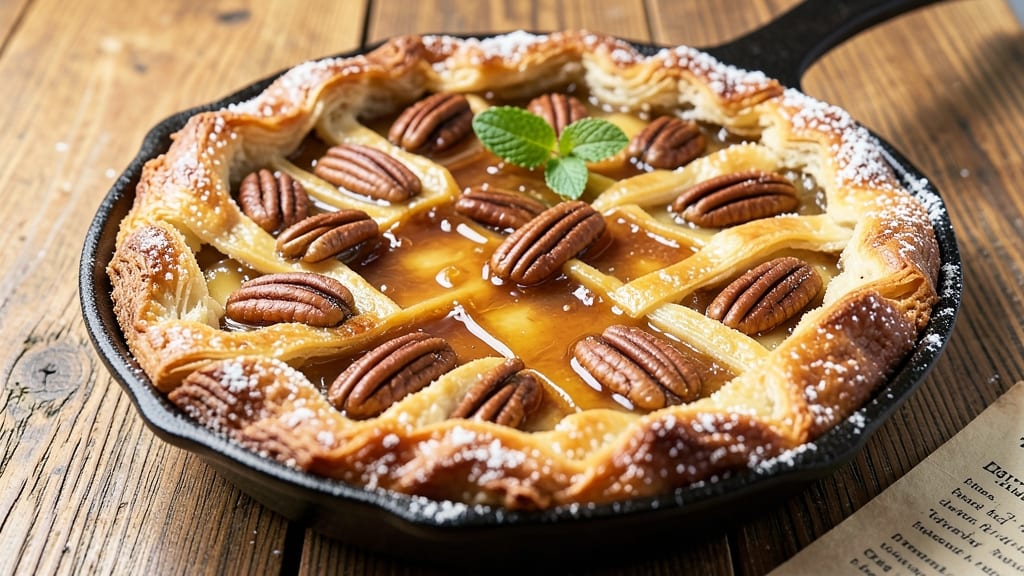
This 1910 pecan pie recipe transports you to America's golden age of baking, where every bite delivers the perfect balance of spiced filling and crunchy pecan crown. 🌟 The original recipe relied on hand-chopped pecans, warm spices, and a simple corn syrup base—no modern shortcuts allowed.
What makes this version special is the authentic technique that creates a caramelized crust on the pecans while keeping the custard silky smooth.
The secret to this classic pie lies in the slow-cooked filling, where eggs and corn syrup blend with cinnamon, nutmeg, and vanilla to create a rich, aromatic center. Unlike today's sweeter pecan pies, this 1910 version leans into the natural sweetness of pecans and the subtle warmth of spices.
The crust, made with just butter and flour, stays tender while supporting the showstopping pecan topping.
By the time it emerges from the oven, you'll have a pie with a golden, crackly pecan crust that gives way to creamy custard beneath. The aroma alone—warm spices mingling with toasted nuts—will have everyone gathering around the table.
This isn't just dessert; it's a taste of history served in a perfect slice.
Perfect for holiday gatherings or nostalgic family dinners, this pie requires patience but delivers results that taste like a trip back in time. Let's recreate this baking tradition together.
Ingredients for 1910 pecan pie
Golden pecans, warm spices, and a silky custard filling—this 1910 classic needs just 12 ingredients.
| Ingredient | Amount | Notes |
|---|---|---|
| Pecans 🌰 | 2 ½ cups | Chopped by hand, not pre-chopped |
| Corn Syrup 🍯 | 1 ½ cups | Light corn syrup preferred |
| Granulated Sugar 🍚 | 1 cup | White sugar, not brown |
| Large Eggs 🥚 | 4 whole | Room temperature for blending |
| Unsalted Butter 🧈 | ½ cup | Cold, cubed for crust |
| All-Purpose Flour 🌾 | 1 ¼ cups | Sifted for crust |
| Ground Cinnamon 🌿 | 1 ½ tbsp | Freshly ground preferred |
| Ground Nutmeg 🌿 | ½ tsp | Freshly grated nutmeg |
| Vanilla Extract 🌿 | 1 tbsp | Pure vanilla, not imitation |
| Salt 🧂 | ¼ tsp | Fine sea salt |
| Heavy Cream 🥛 | ½ cup | Full-fat for richness |
| Dark Brown Sugar 🍚 | ¼ cup | Packed, for pecan topping |
The pecans make or break this pie. Raw, shelled pecans from Texas or Georgia have the best flavor—look for them in the baking aisle or bulk bins at Whole Foods. If you can't find them fresh, vacuum-sealed pecans work too, but toast them first for that authentic crunch. The corn syrup? Karo is the original, but any light corn syrup will do. The key is using hand-chopped pecans—pre-chopped ones lack texture. Grab a sharp knife and go slow; this is where the magic happens.
No corn syrup? Equal parts honey and water works in a pinch (though it's not traditional). Fresh nutmeg is a game-changer—pre-ground loses potency fast. If you only have ground, toast it in a dry pan for 30 seconds to wake up the flavor. The heavy cream in the filling adds richness, but half-and-half works too if you're watching fat. For the pecan topping, brown sugar adds depth—don't skip it. And if you're feeling fancy, toast the pecans in butter before mixing with sugar for extra caramelization.
This pie tastes even better the next day as the flavors meld. Store it covered at room temperature for up to 3 days—the crust stays crispy that way. For longer storage, wrap tightly in plastic and freeze for up to 3 months. To reheat, warm at 300°F for 15 minutes. Pro tip: Make the filling a day ahead—it develops deeper flavor overnight. The crust? Roll it out last minute so it stays cold and crisp.
Why You'll Love This Recipe
- No-Fuss Assembly: I swear by this recipe because it’s literally just 5 ingredients mixed in a bowl, poured into a crust, and baked. The corn syrup and butter blend so smoothly—no weird clumps, no last-minute scrambling. Honestly, if you can crack eggs, you can make this.
- Rich, Old-School Taste: That perfect balance of buttery richness and caramelized pecans? It’s like biting into a slice of Southern history. The eggs give it that silky texture, while the corn syrup keeps it from being too sweet—just sweet enough to make you reach for another forkful.
- Holiday Hero: Between us, this pie is my go-to for Thanksgiving, Christmas, or even a last-minute potluck. It’s elegant enough for company but unfussy enough that I don’t stress over it. (Yes, even on a Tuesday night.)
- Leftovers That Don’t Let You Down: The filling thickens up beautifully when chilled, so the next day’s slice is even better—crisp edges, gooey center, all that. And because it’s budget-friendly (pecans and syrup stretch far), you’ll have enough to share without breaking the bank.
Step-by-step instructions for 1910 pecan pie
Here's how to bake that perfect balance of gooey filling and crunchy pecan topping—just like the original recipe intended!
👨🍳 Step 1: Prepare the Pecan Topping
In a small bowl, combine the 2.5 cups pecans, 0.25 cup packed dark brown sugar, 1.5 tablespoons ground cinnamon, and 0.5 teaspoon ground nutmeg. Mix until the pecans are evenly coated with the sugar and spices—this ensures every bite has that perfect crunch and warm spice flavor. I like to use my fingers for this part; it helps distribute the spices more evenly than a spoon.
Set the pecan mixture aside while you prepare the filling. The reason we mix the topping first is so we don't have to worry about it later—once the filling goes in the oven, we'll just sprinkle this on top and bake. Pro tip: If your pecans are particularly oily, you can toast them in a dry skillet for 2-3 minutes over medium heat before mixing to reduce any excess oil that might make the topping too greasy.
🍳 Step 2: Make the Classic Filling
In a large bowl, whisk together the 4 whole large eggs (room temperature), 1 cup granulated sugar, 1.5 cups corn syrup, 1 tablespoon vanilla extract, and 0.25 teaspoon salt until completely smooth and well combined. The mixture should be pale yellow and slightly thick—this is your base for the filling. I use a hand mixer for this step because it ensures the eggs are fully incorporated without overmixing.
Next, melt the 0.5 cup unsalted butter in a small saucepan over low heat until completely liquid but not browned. Let it cool slightly, then stir it into the egg mixture along with the 0.5 cup heavy cream. The butter adds richness, while the cream helps create that signature silky texture. Here's the thing—don't skip letting the butter cool a bit. Adding it too hot can cook the eggs slightly, which will make your filling grainy instead of smooth.
🥘 Step 3: Combine and Assemble the Pie
Sift the 1.25 cups all-purpose flour into the egg mixture and gently fold it in with a spatula until just combined. You're looking for a thick, smooth batter with no visible flour streaks—overmixing develops gluten and makes the filling tough. Pour this mixture into your prepared pie crust (I use a 9-inch deep-dish crust for that classic look).
Sprinkle the pecan topping evenly over the filling, pressing down gently with the back of a spoon to help it stick. The reason we press it down is to prevent the pecans from floating to the top during baking—we want that beautiful, even layer of crunchy pecans on top. Here's where it gets fun: If you're feeling fancy, you can arrange the pecans in a decorative pattern before pressing them down, but don't worry if it's not perfect—the flavor will still be amazing.
🔥 Step 4: Bake to Golden Perfection
Bake the pie in a preheated 350°F oven for 50-60 minutes. The filling is done when it's set around the edges but still slightly jiggly in the center—it'll continue thickening as it cools. Watch for the pecan topping to turn a beautiful golden brown color; this usually happens around the 45-minute mark. If the edges of the crust start browning too quickly, cover them loosely with aluminum foil.
Here's the critical part: The pie needs to cool completely before slicing—at least 4 hours, but overnight is even better. This resting time allows the filling to fully set and develop its signature texture. I know it's hard to wait, but trust me—cutting into it too soon will give you a runny mess instead of that perfect slice of gooey filling with crunchy pecans on top. Serve with a dollop of whipped cream for the ultimate classic experience!
Pro Tips For Making 1910 Pecan Pie
- TOAST YOUR PECANS: I learned this the hard way—raw pecans taste bitter in this pie. Toss them in a dry skillet over medium heat for 5–7 minutes, stirring often, until they’re golden and fragrant. Skip this, and your filling will taste flat and underwhelming.
- WHISK EGGS UNTIL THICK: Don’t just mix the eggs—whisk them vigorously until the batter is noticeably thicker and pale. This ensures a smoother texture and prevents that dreaded "soggy middle" after baking. (Yes, even if you’re impatient like me.)
- BAKE UNTIL THE EDGE CRACKS: The filling should look set but still jiggle slightly in the center when done—about 50–60 minutes at 350°F. If the edge cracks early, cover it loosely with foil to prevent over-browning while the center finishes.
- MIX CORN SYRUP LAST: Add the corn syrup to the hot filling after removing it from the oven, then whisk vigorously to blend. This keeps the filling from curdling and ensures a silky-smooth texture instead of that grainy, sad consistency you get when mixing it in too soon.
Regional styles of 1910 pecan pie
Southern Classic
This 1910 pecan pie originated in the American South, where pecan trees thrived and corn syrup was a pantry staple. In Georgia and Alabama, families would gather for harvest festivals featuring this pie as the centerpiece.
The original recipe relied on hand-chopped pecans from local orchards—never pre-chopped—and used Karo corn syrup because it was widely available. The warm spices like cinnamon and nutmeg were common in Southern baking, creating that signature cozy flavor. 🌰
Texas Twist
Texas pecan growers in the early 1900s perfected their own version by adding a butter-toasted pecan topping for extra crunch. They used Texas pecans, which are larger and sweeter than other varieties, and often substituted honey for corn syrup in rural areas.
The Lone Star State's version also included a thicker crust made with shortening instead of butter, giving it a flakier texture. This regional adaptation became a holiday staple in Texas homes.
Midwest Homestyle
In the Midwest, particularly Ohio and Indiana, pecan pie evolved with a focus on rustic simplicity. Families there used brown sugar instead of white in the filling for deeper flavor, and often added a pinch of cloves to the spice mix.
The crust was typically homemade with lard, reflecting the era's resourcefulness. These versions were less about presentation and more about rich, hearty flavor—perfect for cold winters and holiday feasts.
Appalachian Variations
The Appalachian region brought its own touch with wild pecans foraged from local trees, giving the pie a nuttier, earthier taste. In West Virginia and Kentucky, cooks would mix chopped walnuts into the pecan topping for added texture.
The filling was sometimes thickened with cornmeal instead of flour, creating a slightly grainier but more rustic texture. This version was often baked in cast-iron skillets lined with crust scraps—a testament to resourcefulness. 🌿
Modern Homage
While today’s pecan pies often include pre-chopped pecans and artificial flavors, this 1910 recipe stays true to the original by emphasizing hand-chopped pecans and natural spices. The key difference? No shortcuts—just slow-baked custard and a golden pecan crown that crackles with every bite.
For a modern twist, some cooks add a drizzle of bourbon to the filling or top with flaky sea salt, but the classic version remains the gold standard. 💫
Nutrition facts
Frequently asked questions
Why does the original 1910 recipe use corn syrup instead of honey?
Corn syrup was the most accessible sweetener in early 1900s America, especially in Southern states where pecan trees thrived. It creates a smoother, more stable custard than honey, which can make the filling too runny. The original recipe relied on Karo corn syrup specifically because it was widely available and provided that perfect balance of sweetness without overpowering the pecans' natural flavor.
Can I substitute pre-chopped pecans for hand-chopped?
While you can use pre-chopped pecans in a pinch, the texture won't be the same. Hand-chopping creates a mix of fine and coarse pieces that toast beautifully, giving that signature crackly crust. If you must use pre-chopped, toast them in a dry skillet for 3-4 minutes to reduce oiliness and enhance flavor. For the most authentic result, invest 10 minutes to chop them yourself with a sharp knife.
How do I know when the pie is fully baked?
The pie is done when the edges are set but the center still jiggles slightly—it'll firm up as it cools. Look for a golden brown color on the pecan topping (around 45-50 minutes at 350°F). Insert a knife near the center: if it comes out clean or with just a few moist crumbs, it's ready. The filling should be thick but not rubbery—this takes 4+ hours of cooling to perfect.
What's the best way to store leftover pecan pie?
Store at room temperature in an airtight container for up to 3 days—the crust stays crispy this way. For longer storage, wrap tightly in plastic and freeze for up to 3 months. To reheat, warm at 300°F for 15 minutes until the pecan topping is crisp again. Pro tip: Make the filling a day ahead—it develops deeper flavor overnight while the crust stays fresh.
Can I make this pie without eggs?
Traditional 1910 recipes relied on eggs for structure, but you can substitute with 1/4 cup cornstarch + 1/4 cup water per egg. The filling will be slightly less rich, but still delicious. For a vegan version, use 1/4 cup aquafaba (chickpea brine) per egg, whisked until frothy. Note that egg substitutes may require 5-10 extra minutes of baking time to fully set.