
Desserts
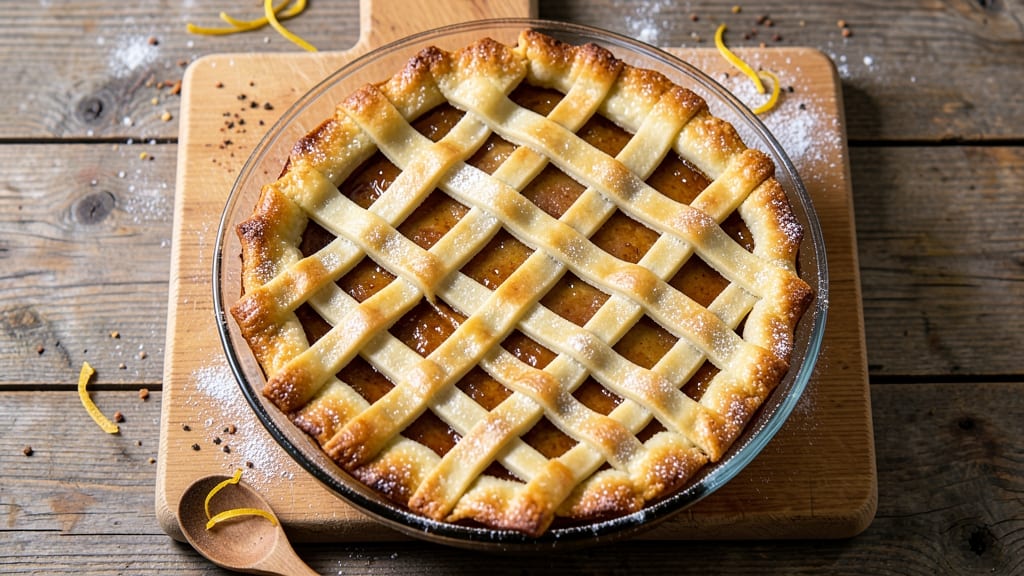
This 2-crust butter pie crust recipe delivers restaurant-quality flakiness with a foolproof method that even beginners can master. The secret lies in cold butter layers that create those signature delicate flakes while maintaining structural integrity—no shortcuts, just reliable results every time. I've been perfecting this technique for years, and it's the foundation I use for everything from classic apple pie to savory chicken pot pie.
The process is simpler than it sounds: cold butter cut into flour creates steam pockets during baking, resulting in crisp, golden layers that hold up perfectly.
We'll use a 3:2 ratio of flour to butter (by weight) for optimal flakiness, and I'll show you exactly how to handle the dough to prevent cracking or shrinking. This crust works equally well for sweet pies and savory applications like pot pies or quiches.
What you'll achieve is a pie crust with two perfectly baked layers—crisp on the outside, tender on the inside—that stays sturdy enough to hold any filling without sogginess. The key is proper blind-baking techniques that ensure even cooking and prevent that dreaded soggy bottom.
Once mastered, this method becomes your go-to for any pie recipe that requires professional-quality crust.
Whether you're making a classic apple pie, rich pumpkin pie, or hearty chicken pot pie, this double-crust technique elevates every dish. The instructions will guide you through rolling, layering, and baking with confidence—no more guessing or last-minute fixes. Let's build that perfect pie foundation together.
Ingredients for 2 crust butter pie crust
Cold butter, precise ratios, and patience create the perfect double-crust foundation for any pie.
| Ingredient | Amount | Notes |
|---|---|---|
| All-Purpose Flour 🌾 | 3 ½ cups | Sifted for even texture |
| Unsalted Butter 🧈 | 1 ½ cups | Cold, cubed into 1/2-inch pieces |
| Ice Water 💧 | ¼ cup | Chilled for dough binding |
| Diamond Crystal Kosher Salt 🧂 | ½ tsp | Fine grain preferred |
| Granulated White Sugar 🍚 | 2 tbsp | For subtle sweetness |
| Vanilla Extract 🌸 | ½ tsp | Pure vanilla for aroma |
| Large Egg Yolks 🥚 | 1 whole | For binding layers |
| Heavy Cream 🥛 | 2 tbsp | For egg wash |
| Coarse Sanding Sugar 🍚 | 2 tbsp | For final sprinkle |
| Pie Weights or Dried Beans 🥫 | 1 cup | For blind baking |
| Cornstarch 🌾 | 2 tbsp | For crisp edges |
The butter is non-negotiable here—European-style unsalted butter (like Plugrá) has higher fat content, which yields better flakiness. Grab it from Whole Foods or Williams Sonoma if you want the best, but any good-quality brand works. Keep those cubes cold by chilling your mixing bowl and tools beforehand. The flour? King Arthur or Gold Medal brands are my go-tos—they're consistent and reliable. Sift it first to avoid dense spots, and measure by weight if you're feeling fancy (350g flour to 250g butter for that perfect 3:2 ratio).
No ice water? Freeze a small bowl of water for 10 minutes to chill it down. Running short on butter? Vegetable shortening (like Crisco) can substitute, but you'll lose some flakiness—it's more tender than flaky. The egg yolks? Room temperature works best, but cold yolks are fine if you're in a hurry. For the sugar, turbinado sugar adds a nice crunch if you want to get creative. And if you're blind-baking, pie weights are worth the investment—they're reusable and prevent soggy bottoms better than beans.
This dough needs to rest—at least 1 hour in the fridge—so plan ahead. Wrap it tightly in plastic and chill between layers. For storage, the dough keeps 3 days in the fridge or 3 months frozen (wrap tightly in plastic, then foil). Baked crusts? Room temperature for 10 minutes before filling to prevent cracking. And if you're not using it all at once, freeze the second crust separately—just thaw before assembling.
Why You'll Love This Recipe
- Foolproof First Try: I’ve made this crust more times than I can count, and it’s the only one that never cracks on me. Cold butter cut into flour with ice water? That’s the magic—no guesswork, just layers of buttery perfection every time.
- Buttery Bliss: The moment that rich, cold butter melts into flaky layers? Worth the wait. You’ll taste it in every bite—crisp edges, tender middle, and that sugar-kissed finish that makes it taste like a bakery secret.
- Double Duty Ready: Make two crusts at once, freeze one, and boom—you’ve got a backup for pies, pot pies, or even a cozy hand pie for lunch. Honestly, my freezer’s always stocked with these, and I never regret it.
- Pantry Staple Power: Flour, butter, salt, sugar—ingredients you already own. No fancy shortcuts, just pure, reliable crust that costs next to nothing but feels like a splurge. (Yes, even on a Tuesday night.)
Step-by-step instructions for double-layered butter pie crust
Here's how to build two perfect crusts with maximum flakiness and structural integrity.
Mix the Dough for Crispy Layers
In a large mixing bowl, combine the 3.5 cups all-purpose flour, 0.5 teaspoon diamond crystal kosher salt, and 2 tablespoons granulated white sugar. Whisk gently to distribute the dry ingredients evenly. This pre-mixing ensures consistent flavor and texture throughout both crusts.
Cut in the 1.5 cups unsalted butter using a pastry cutter or your fingers. Work quickly to keep the butter cold—you're aiming for pea-sized pieces that will create flaky layers when baked. The butter should look like coarse crumbs mixed into the flour, with no large clumps remaining. If the mixture feels too dry, that's normal; the ice water will bind it together later.
Bind with Ice Water for Structure
Add the 0.25 cup ice water one tablespoon at a time, mixing gently with a fork or dough scraper. The water should be ice cold to prevent melting the butter prematurely. Stop mixing as soon as the dough begins to come together—overworking develops gluten and makes the crust tough. You'll have two separate dough discs at this point, each about the size of a softball.
Wrap each dough disc tightly in plastic wrap and refrigerate for at least 30 minutes. This chilling step firms up the butter, preventing excessive spreading during baking. The dough should feel cold but pliable when you're ready to roll. If it's too stiff to handle, let it sit at room temperature for 5-10 minutes before proceeding.
Roll and Layer for Maximum Flakiness
On a lightly floured surface, roll out one dough disc into a 12-inch circle that's about 1/8-inch thick. Transfer it to a 9-inch pie dish, gently pressing it into the bottom and sides. The edges should extend about 1 inch above the rim—this will help create a sturdy top crust later. Trim any uneven edges with kitchen shears.
Repeat with the second dough disc, rolling it out to the same dimensions. Place it on a floured surface and cover it loosely with plastic wrap. This second crust will be used for the top layer after blind baking. The key here is maintaining even thickness—uneven rolling leads to inconsistent baking and potential soggy spots.
Blind Bake the Bottom Crust
Preheat your oven to 375°F. Line the bottom crust with parchment paper and fill it completely with 1 cup pie weights or dried beans. This creates even pressure during baking, preventing the crust from puffing up in the center. Bake for 15 minutes, then remove the weights and bake for another 5-7 minutes until the edges are golden brown and the bottom is lightly crisp.
While the bottom crust bakes, prepare the top crust by rolling it out to 12 inches and brushing it lightly with the 2 tablespoons heavy cream mixed with 0.5 teaspoon vanilla extract. This egg wash creates a beautiful golden finish. Sprinkle 2 tablespoons coarse sanding sugar evenly over the top—this adds both sweetness and a decorative crunch. The sugar should melt slightly during baking for that signature pie crust sparkle.
Assemble and Bake the Double Crust
Once the bottom crust is baked, carefully transfer it to a wire rack to cool for 10 minutes. This prevents sogginess when you add your filling later. Place the prepared top crust over the bottom crust, pressing gently along the edges to seal. Trim any excess dough and fold the overhang under itself to create a clean finish.
For extra crisp edges, sprinkle 2 tablespoons cornstarch along the top crust's outer edge before baking. Brush the top crust with the remaining egg wash and bake at 375°F for 20-25 minutes, rotating the pie halfway through, until the top is deep golden brown and the filling (if added) is bubbly. The crust should be crisp enough to hold its shape when tapped, with no soft spots remaining.
Pro Tips For Making 2 Crust Butter Pie Crust
- Chill the Butter First: Take your unsalted butter straight from the fridge and cut it into ½-inch cubes—no waiting for it to soften. Cold butter creates flaky layers because it melts slowly during mixing, and I’ve learned the hard way that room-temperature butter turns into a greasy mess that’s impossible to handle.
- Use Ice Water Sparingly: Measure the ice water before adding it to the flour mixture, and stop as soon as the dough just holds together when pressed. Too much water makes the crust tough, and I used to drown mine without realizing it—now I check by squeezing a small ball of dough. If it crumbles, add one teaspoon at a time.
- Don’t Overwork the Dough: Mix the butter and flour with a pastry cutter or your fingers until it resembles coarse crumbs—no smaller. Overmixing develops gluten, and that’s the fast track to a dense, chewy crust. I used to panic and keep pressing, only to end up with a sad, flat pie bottom.
- Blind-Bake for Even Cooking: If your filling is wet (like custard or fruit), blind-bake the bottom crust for 10–12 minutes at 375°F with pie weights or dried beans before adding the filling. This prevents a soggy bottom, and I’ve had too many pies where the crust turned into a sad, waterlogged pancake. Trust the process—your future self will thank you.
Serving suggestions for this 2 crust butter pie crust
Sweet Pie Pairings
This double-crust butter pie crust shines with classic sweet fillings like apple or pumpkin. For apple pie, use 6 cups peeled, sliced Granny Smith apples tossed with 2 tbsp lemon juice, 3 tbsp brown sugar, and 1 tsp cinnamon.
The crisp, flaky layers hold up perfectly to the juicy filling. 🍏 For pumpkin pie, mix 15 oz pumpkin puree with 1 can (12 oz) evaporated milk, 3 eggs, 1 cup brown sugar, and 1 tsp pumpkin pie spice—the crust's buttery richness complements the creamy filling beautifully.
Savory Pot Pie
Transform this crust into a hearty chicken pot pie by filling it with 2 cups shredded rotisserie chicken, 1 cup mixed vegetables (carrots, peas, corn), and a white wine cream sauce. The double crust creates a satisfying contrast between the crisp exterior and tender filling.
For extra flair, sprinkle 2 tbsp grated Parmesan on the top crust before baking. The buttery layers stay sturdy even with the weight of savory fillings.
Presentation Tips
For a restaurant-worthy finish, brush the baked pie with 2 tbsp melted butter and sprinkle 1 tbsp coarse sanding sugar while warm. This adds a glossy sheen and subtle sweetness. If serving apple or berry pies, add a dollop of whipped cream or vanilla ice cream for contrast.
For pumpkin or pecan pie, a sprinkle of toasted pecans or crushed gingersnaps on top elevates the presentation. 🍽️
Serving Sizes
This recipe yields a 9-inch pie, perfect for 6-8 servings. For larger gatherings, double the recipe and bake in a 12-inch pie dish. Individual servings can be achieved by cutting into 8 equal wedges—each wedge will have both crisp bottom and top layers.
Store leftovers in an airtight container at room temperature for up to 2 days or freeze for 3 months for future enjoyment.
Seasonal Variations
Spring calls for rhubarb pie—toss 5 cups chopped rhubarb with 1 cup sugar and 1 tbsp cornstarch before filling. Summer is perfect for peach pie with 4 cups sliced peaches and a splash of bourbon in the filling.
In fall, try sweet potato pie with 2 cups mashed sweet potatoes and 3 tbsp molasses for depth. Each season brings a new way to showcase this versatile crust. 🍂
Garnish Ideas
Add fresh mint leaves or edible flowers for a pop of color on fruit pies. A drizzle of honey or caramel sauce adds sweetness without overpowering. For savory pies, a sprinkle of fresh thyme or parsley brightens the dish.
These simple garnishes make your pie look like it came from a bakery—no fancy skills required! ✨
Nutrition facts
Frequently asked questions
Why does my double crust keep cracking during baking?
The most common causes are overworking the dough or uneven thickness. Work quickly when mixing and keep the butter cold—never let it warm up. Roll both crusts to an even 1/8-inch thickness and avoid stretching the dough when placing it in the pan. Chill the assembled pie for 15 minutes before baking to prevent spreading.
Can I make this crust ahead of time?
The dough keeps for 3 days in the fridge wrapped tightly in plastic. For longer storage, freeze the dough discs for up to 3 months. Thaw overnight in the fridge before rolling. Pre-baked crusts can be frozen for 2 months—just thaw completely before adding filling and baking again.
What's the best way to prevent a soggy bottom?
Always blind-bake the bottom crust for 15-20 minutes before adding filling. Use pie weights or dried beans to create even pressure. Cool the baked crust completely before filling, and consider adding a thin layer of apricot jam or cornstarch between crust and filling as a moisture barrier. The 3:2 flour-to-butter ratio also helps maintain crispness.
How do I adjust this recipe for a 9x13-inch pan?
Double the recipe and press one crust into the bottom of the pan. For the top, roll out the second crust to cover the entire surface, trimming excess. Use 1.5 cups pie weights for blind baking, and bake at 375°F for 30-35 minutes until golden. This works perfectly for pot pies or galettes!
Can I substitute butter with shortening?
Yes, but the texture will differ. Shortening creates a more tender, less flaky crust. Use the same 1.5 cups measurement, but expect a slightly denser result. For flakiness, stick with butter—it's worth the extra effort for that signature layering.