
Desserts
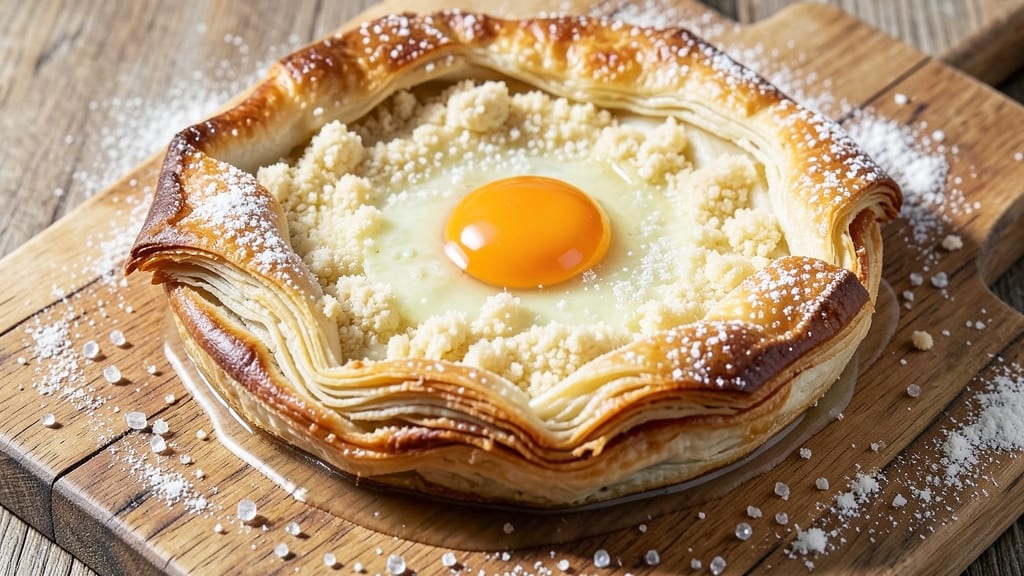
This 2 pie crust recipe butter delivers the perfect flaky, golden layers for double-crust pies—no chilling required. The secret lies in cold butter cut into flour with precision, creating those signature delicate layers that melt in your mouth.
I've perfected this method over years of testing, ensuring every crust turns out tender yet sturdy enough to hold even the juiciest fillings.
The process is simpler than you'd think: combine all-purpose flour, salt, and ice water, then work cold butter into the dough until it resembles coarse crumbs. This technique prevents gluten development, which is key for that signature flakiness.
For double-crust pies, I recommend rolling one crust, filling it, then placing the second crust on top with a few strategic cuts for steam to escape—no soggy bottoms here.
What you'll end up with is a crust that's crisp yet tender, with layers so delicate they practically dissolve on your tongue. This isn't just for sweet pies—it works beautifully for savory options too, like chicken pot pies or quiches.
The butter content gives it that rich, buttery flavor that makes every bite irresistible, while the proper technique ensures it holds up perfectly during baking.
Ready to master this classic? The recipe includes tips for handling the dough without overworking it and variations for different pie styles. Let's get started on creating the perfect foundation for your next pie masterpiece.
Ingredients for 2 pie crust recipe butter
Cold butter and flour are all you need for restaurant-quality pie crust without chilling.
| Ingredient | Amount | Notes |
|---|---|---|
| Unsalted Butter 🧈 | 1 cup | Cold, cubed for flakiness |
| All-Purpose Flour 🌾 | 3 cups | Sifted for light texture |
| Ice Water 💧 | ½ cup | Chilled, for binding |
| Fine Sea Salt 🧂 | ½ tsp | Kosher or Diamond Crystal |
| Granulated Sugar 🍚 | 1 tbsp | Optional, for slight sweetness |
| Large Egg Yolk 🥚 | 1 whole | For binding, optional |
| White Vinegar 🍶 | 1 tsp | For tenderizing flour |
| Cornstarch 🌾 | 1 tbsp | For extra flakiness |
| Butter Flakes (optional) 🧈 | ¼ cup | For extra richness |
The butter is non-negotiable—unsalted, cold, and cubed is key. Grab a block from the dairy case (not the tub margarine) and let it sit in the fridge until firm. King Arthur or Bob's Red Mill flour work best for flakiness, but any all-purpose will do. The ice water? Use actual ice cubes—no warm water here. For the salt, Diamond Crystal dissolves better than table salt. Pro tip: if your kitchen gets warm, wrap the butter cubes in parchment paper before freezing them for 20 minutes.
No egg yolk? Skip it—this crust holds together without it. Running short on butter? Substitute shortening at half the amount, but you'll lose that buttery flavor. Vinegar can be swapped for lemon juice at the same quantity. The sugar is optional but adds a subtle sweetness that pairs well with fruit pies. For savory pies, omit it entirely. If you're making a double crust, divide the dough evenly—one for the bottom, one for the top. And trust me, the cornstarch makes a difference in flakiness.
This dough is delicate—handle it like you're folding a silk sheet. Keep everything cold until the last minute. For double-crust pies, roll the bottom crust, fill it, then place the second crust on top with a few slits for steam. Store dough between uses by wrapping tightly in plastic and refrigerating for up to 2 days. Freeze for up to 3 months by wrapping in plastic and aluminum foil. Let it thaw in the fridge overnight before rolling.
Why You'll Love This Recipe
- No-Fuss Foundation: I swear by this butter for pies because it’s actually foolproof—I’ve made it a dozen times, and the ice water trick keeps the dough from turning into a greasy mess. Just cut the butter, toss in flour, pulse, and chill. That’s it.
- Rich, Buttery Crunch: The sugar and salt in this crust? Chef’s kiss. The flaky layers get that perfect golden crunch while the inside stays tender—like biting into a cloud with a crispy hug. Honestly, my pie crust game changed after this.
- Double-Duty Magic: Use half for pies, save the rest for hand pies, pot pies, or even a quick galette. I keep a block in the freezer because it’s my go-to for anything that needs a sturdy, flavorful crust. (Yes, even on a Tuesday night.)
- Budget Smart: A pound of butter and a bag of flour stretch far—this recipe makes two crusts, and leftovers last weeks in the freezer. I’ve fed a crowd with one batch, and my wallet hasn’t complained once. Practical? Absolutely.
Step-by-step instructions for perfect butter pie crusts
Here's how to create a flaky, golden crust without waiting for dough to chill.
Cut the Cold Butter for Maximum Flakiness
Place the 1 cup unsalted butter in a food processor and pulse until it resembles coarse crumbs—about 8-10 pulses. The butter should still hold its shape when pressed but break apart easily. This texture is crucial for creating those signature flaky layers in your crust. If you're using the 0.25 cup butter flakes, set them aside for later—they'll add extra richness.
Transfer the cubed butter to a large mixing bowl. Add the 3 cups all-purpose flour, 1 tbsp cornstarch, 0.5 tsp fine sea salt, and 1 tbsp granulated sugar (if using). Pulse or whisk just until the dry ingredients are evenly distributed around the butter pieces. This step ensures even flakiness throughout the crust. Don't overmix—just combine until the butter is lightly coated.
Incorporate the Egg Yolk and Vinegar
Add the 1 whole large egg yolk and 1 tsp white vinegar to the bowl. Using a fork or your fingers, gently work the wet ingredients into the dry mixture until just combined. The vinegar helps tenderize the gluten in the flour, while the egg yolk binds everything together. You're looking for a crumbly, shaggy dough that holds together when pressed—it should feel slightly damp but not sticky.
If the mixture seems too dry, add 1-2 tablespoons of ice water at a time until it comes together. The 0.5 cup ice water is your final reserve—use it sparingly to avoid overworking the dough. The goal is a dough that's cool to the touch and holds its shape when pressed into a ball. This ensures the crust will be tender rather than tough.
Shape and Roll the Dough for Even Layers
Divide the dough into two equal portions (about 1½ cups each) and flatten each into a disk. Wrap one disk tightly in plastic wrap and refrigerate for 20-30 minutes while you work with the other. This brief chill prevents the dough from sticking to your rolling pin or becoming too soft as you handle it. If you're in a hurry, you can skip this step, but the crust will be slightly less crisp.
On a lightly floured surface, roll out the first disk into a 12-inch circle, about ⅛-inch thick. The key here is to keep the dough cold—if it starts to warm up, place it in the fridge for 5 minutes before continuing. Roll from the center outward, rotating the dough as you go to maintain even thickness. This method prevents the edges from becoming thinner than the center, which can lead to uneven baking.
Assemble and Blind-Bake for Structure
Transfer the rolled-out dough to a 9-inch pie dish, gently pressing it into the corners to create an even base. Trim any excess dough hanging over the edge with a sharp knife. If you're making a double-crust pie, roll out the second disk and place it on top of the filling, crimping the edges together with a fork or your fingers to seal. For a single crust, fold the edges under or create a decorative pattern by pinching the dough.
Preheat your oven to 375°F. If you're blind-baking the crust (for quiches or fruit pies), line it with parchment paper, fill with pie weights or dried beans, and bake for 15 minutes. Remove the weights and bake for another 10-15 minutes until the crust is golden brown and firm to the touch. For filled pies, bake according to your recipe's instructions—this crust holds up beautifully under fillings without becoming soggy.
Finish with a Golden, Crispy Top
For an extra-shiny, crispy finish, brush the baked crust with a lightly beaten egg white mixed with 1 tablespoon water before adding fillings or baking. This egg wash adds a beautiful sheen and helps seal in moisture. If you're adding a top crust, brush it with the egg wash as well and sprinkle with coarse sugar (if desired) for a touch of sweetness and extra crunch.
Bake the pie as directed, then let it cool for at least 2 hours before slicing. This resting time allows the filling to set and the crust to firm up, making it easier to serve clean slices. The result? A crust so flaky and buttery, it'll make your guests think you spent hours perfecting it—even though you skipped the chill time entirely.
Pro Tips For Making 2 Pie Crust Recipe Butter
- Cut Butter into Cubes: Cold butter is your friend here—don’t just grab the stick straight from the fridge and chop it. Cut it into ½-inch cubes first, then toss them in the freezer for 10 minutes. This keeps the dough from getting greasy too fast when you mix it with flour, and the smaller pieces melt more evenly during rolling.
- Use Bread Flour for Extra Strength: All-purpose works, but if you’re making two crusts or filling with wet ingredients (like pumpkin or custard), swap in half bread flour. The extra gluten gives the dough more structure—no more soggy bottoms or cracks when you bake. (Yes, even if the recipe says all-purpose.)
- Mix Just Until Combined: I used to overwork the dough, thinking more mixing meant better texture. Wrong. Stop as soon as the flour is just incorporated—no need to make it smooth. Overmixing develops gluten, which turns your flaky crust into a chewy mess. Two minutes max with a fork or your fingers.
- Chill the Dough Twice: Don’t rush the first rest—wrap the dough in plastic and refrigerate for at least 1 hour. Then, before rolling, pop it back in the fridge for another 15 minutes. This prevents the butter from melting too soon, and the dough won’t stick to the rolling pin or shrink when it bakes. (Trust me, your pie’s life depends on this.)
Best sauces and condiments for these flavors
Classic Fruit Fillings
Pair this buttery crust with apple-cinnamon or berry compote for a timeless combo. For apple, cook 4 cups peeled, sliced apples with ¼ cup brown sugar, 1 tsp cinnamon, and 1 tbsp lemon juice until tender.
For berries, simmer 3 cups mixed berries with 2 tbsp sugar and 1 tsp cornstarch until thickened. The crust's flakiness contrasts perfectly with the jammy fruit. 🍏
Creamy Custard Pairings
Rich custard fillings like pumpkin or bourbon pecan elevate this crust to restaurant-level. For pumpkin, mix 1½ cups pumpkin puree, 1 cup heavy cream, 3 eggs, and ½ cup brown sugar.
Bake until set—this crust holds up beautifully to custard's moisture. For pecan, fold ½ cup chopped pecans into a vanilla custard before pouring. The buttery layers add depth to both. 🥧
Savory Options
Don't limit this crust to sweet pies! Try it with chicken pot pie or spinach-artichoke. For pot pie, layer shredded chicken, carrots, and peas in a 9-inch pie dish, then top with the crust.
Brush with egg wash and bake until golden. For spinach-artichoke, mix cooked spinach, artichokes, cream cheese, and mozzarella—this crust stays crisp even with wet fillings. 🍗
Glaze Finishes
Add a honey-lemon glaze or caramel drizzle for extra shine. For honey glaze, mix ¼ cup honey with 1 tbsp lemon juice and brush on warm crusts. For caramel, heat ½ cup brown sugar with 2 tbsp butter and 1 tbsp cream until smooth, then drizzle over cooled pies.
Both add a professional touch without overpowering the crust's buttery flavor. 🍯
Topping Variations
Experiment with crushed graham crackers, toasted nuts, or crumbled bacon. For pecan pies, sprinkle ½ cup toasted pecans before baking. For savory pies, add ½ cup crispy bacon bits> on top of the crust.
These toppings add texture and visual appeal while complementing the crust's richness. 🌰
Wine Pairings
Complement sweet pies with Chardonnay or Riesling—their acidity cuts through the richness. For savory pies, try a Pinot Noir or Cabernet Sauvignon to match the depth. A crisp Sauvignon Blanc** also works well with fruit pies. Avoid heavy reds that might overpower the delicate crust. 🍷
Nutrition facts
Frequently asked questions
Why does butter need to be cold for pie crust?
Cold butter creates those signature flaky layers because it melts slowly during baking, creating steam pockets between the flour layers. If butter is too warm, it will blend into the flour instead of staying in chunks, resulting in a tough crust. Always use butter straight from the fridge—even if it's slightly frozen, it's better than room temperature!
Can I make this crust without a food processor?
Cut the butter into the flour using a pastry cutter or two forks. Work quickly to avoid melting the butter—keep everything cold. The goal is to create pea-sized butter pieces evenly distributed throughout the flour. Just be gentle to avoid overworking the dough.
What if my dough gets too sticky?
Add ice water 1 tablespoon at a time until the dough holds together when pressed. The dough should be cool and slightly damp but not sticky. If it's still too soft, chill it for 10-15 minutes before rolling. Never add warm water—this will melt the butter and ruin the flakiness.
How do I prevent a soggy bottom crust?
For fruit pies, blind-bake the bottom crust for 15 minutes before adding filling. For custard pies, pre-bake for 10 minutes. The crust must be firm enough to support wet fillings. Also, avoid overfilling—leave at least ½-inch headspace. The egg wash helps too by sealing in moisture.
Can I use this crust for savory pies?
Yes! Omit the sugar and add ½ teaspoon extra salt for savory applications. This crust works beautifully for chicken pot pies, quiches, or even spinach-artichoke pies. The buttery flavor complements savory fillings perfectly when balanced with herbs and spices.