
Desserts
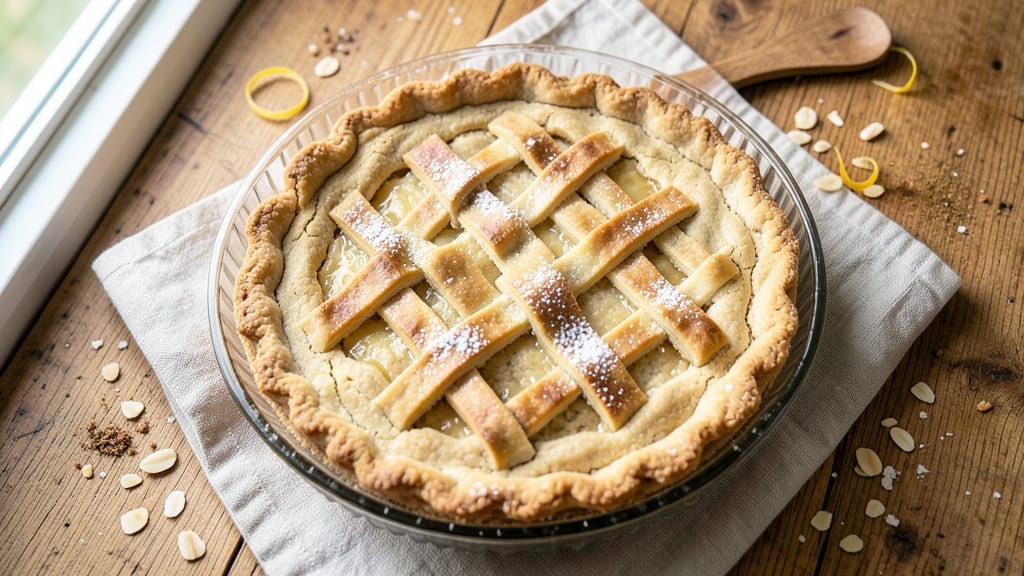
This almond flour butter pie crust recipe delivers the perfect balance of shatterproof crunch and golden edges without the dreaded shrinkage. After years of perfecting gluten-free crusts, I've developed a foolproof method that works for both pies and tarts—no special equipment required.
The secret lies in proper chilling, precise rolling, and a technique that ensures even baking.
What sets this recipe apart is its ability to hold its shape while creating a delicate, nutty flavor that complements any filling. Unlike traditional flour-based crusts, this version uses almond flour for a naturally rich texture and lower carbohydrate content.
The butter adds flakiness, while a touch of cold water helps bind the ingredients without making the crust tough.
By following these steps, you'll achieve a crust that's crisp around the edges and tender in the center, with just enough structure to support your favorite fruit fillings or custards. The result is a dessert that looks impressive yet comes together with simple techniques—ideal for both beginners and experienced bakers.
Whether you're making a classic apple pie, a rich chocolate tart, or a seasonal berry galette, this crust provides the perfect foundation. Let's get started on creating a dessert crust that rivals the best bakery versions.
Ingredients for almond flour pie crust recipe with butter
Nine essential ingredients create the perfect shatterproof almond flour crust with golden edges every time.
| Ingredient | Amount | Notes |
|---|---|---|
| Almond Flour 🌰 | 2 cups | Finely ground, unsweetened preferred |
| Cold Unsalted Butter 🧈 | 1 cup | Cubed, chilled for flakiness |
| Granulated Sugar 🍚 | ¼ cup | Fine granulation preferred |
| Large Egg Yolks 🥚 | 1 whole | Room temperature for blending |
| Cold Water 💧 | 2 tbsp | Chilled for binding |
| Diamond Crystal Kosher Salt 🧂 | ½ tsp | Fine grain preferred |
| Vanilla Extract 🌿 | ½ tsp | Pure vanilla preferred |
| Ground Cinnamon 🌶️ | ½ tsp | Freshly ground for warmth |
| Almond Extract 🌰 | ¼ tsp | Pure almond flavor |
| Parchment Paper 📄 | 1 sheet | For easy handling |
| Pie Weights or Dried Beans 🌾 | ½ cup | For pre-baking support |
The almond flour is the star here—Bob's Red Mill or Anthony's Goods are my go-tos for consistent texture. Freshly ground makes all the difference, so if you're buying whole almonds, pulse them in a food processor until ultra-fine (no grit!). The butter must be cold and cubed—never melted or softened. I always use Plugrá butter for its high fat content, but any good European-style butter works. For the egg yolks, room temperature is key—they blend better without turning the dough greasy. Pro tip: chill your mixing bowl in the freezer for 10 minutes before combining ingredients to prevent the butter from melting too quickly.
No almond flour? Hazelnut flour or cashew flour can substitute at the same ratio, though texture will differ slightly. Short on egg yolks? 1 tbsp aquafaba per yolk works as a binder, though the crust won't be quite as tender. The sugar isn't just for sweetness—it helps create that golden edge we're after. If you're making a savory tart, reduce it to 1 tbsp or omit entirely. For the vanilla and almond extracts, pure, high-quality versions make a noticeable difference—cheap extracts can taste harsh. The cinnamon adds warmth without overpowering, but cardamom or nutmeg could work if you're feeling adventurous.
This dough is highly temperature-sensitive, so keep everything chilled until ready to use. Wrap the dough in plastic and refrigerate for at least 1 hour before rolling—this prevents shrinking. For best results, roll the dough between two sheets of parchment paper to avoid sticking. The crust can be pre-baked with pie weights or dried beans for 15 minutes at 375°F before adding filling, which prevents sogginess. Store any unused dough in the fridge for up to 3 days or freeze for 3 months—just let it thaw completely before using. The pre-baked crust keeps well in the fridge for 2 days or freezes beautifully for 2 months.
Why You'll Love This Recipe
- No-Fuss Assembly: I swear by this crust because it’s three ingredients plus water—no rolling, no fussing. Just pulse the almond flour, cold butter, and sugar in a food processor, add the yolks and water, and press it into a pan. Honestly, my hands are always sticky, but the result? Crisp edges every time.
- Buttery Nutty Magic: That cold unsalted butter mixed into the almond flour? It’s what makes this crust ridiculously good. The sugar caramelizes just enough to give it a subtle sweetness, while the almonds add a nutty depth that pairs perfectly with fruit fillings—or even just a dusting of powdered sugar. (Yes, I’ve eaten it plain. Don’t judge.)
- Pie for Any Occasion: This crust holds up like a champ—whether it’s a last-minute dessert for company or a make-ahead freezer staple. I’ve used it for apple pies, cheesecakes, and even a savory galette. The secret? It bakes up sturdy but still tender, so it won’t crack under pressure.
- Budget-Friendly Luxury: Almond flour might sound pricey, but a little goes a long way, and you’ll use less than flour crusts. Plus, the yolks and butter are pantry staples, so it’s cheaper than store-bought crusts over time. Between us, I’ve stretched this recipe into tarts and hand pies, and no one’s ever complained.
Step-by-step instructions for almond flour butter pie crust
Here's how to create a shatterproof crust that stays crisp without shrinking—no flaky pastry tricks needed.
Mix Dry Ingredients with Cold Butter
In a large mixing bowl, combine the 2 cups almond flour, 0.25 cup granulated sugar, 0.5 teaspoon Diamond Crystal kosher salt, 0.5 teaspoon ground cinnamon, and 0.25 teaspoon almond extract. Whisk until evenly distributed—this ensures balanced flavor and texture in every bite.
Cut the 1 cup cold unsalted butter into small cubes and add them to the dry mixture. Use a pastry cutter or your fingers to work the butter into the almond flour until the texture resembles coarse crumbs with pea-sized butter pieces remaining. This cold butter technique is critical—it creates the signature flaky layers without requiring rolling. Overworking the dough will develop gluten, so keep your movements gentle.
Add Wet Ingredients for Binding
In a separate small bowl, whisk together the 1 whole large egg yolk, 0.5 teaspoon vanilla extract, and 2 tablespoons cold water. The egg yolk acts as a natural binder while adding richness, and the cold water helps maintain the crisp texture. Pour this mixture into the dry ingredients and stir with a silicone spatula until just combined.
At this stage, the dough should hold together when pressed but still feel slightly crumbly. If it's too dry, add 1 teaspoon more cold water. If it's too wet, sprinkle in 1 tablespoon more almond flour. The goal is a dough that can be pressed into a pie dish without sticking to your fingers—this ensures an even, shatterproof base.
Press into Pie Dish with Precision
Line a 9-inch pie dish with the parchment paper, then transfer the dough to the center. Press it evenly into the bottom and up the sides using your fingertips or a small glass, creating a ¼-inch thick layer. The key here is firm, even pressure—this prevents cracking during baking. For extra insurance, chill the pie dish in the freezer for 10 minutes while you prepare the next step.
Once pressed, create a small well in the center for your filling. This prevents overflow when the crust expands in the oven. The edges should be slightly thicker than the center—this helps maintain structure during baking. If any gaps appear, gently press them closed with your thumb.
Pre-Bake for Structure Without Shrinkage
Preheat your oven to 350°F. Place the 0.5 cup pie weights or dried beans into the crust, then cover with a second sheet of parchment paper. This creates a barrier that prevents the crust from puffing up while removing moisture. Bake for 15 minutes until the edges begin to turn light golden brown and the crust feels firm to the touch.
Remove the weights and parchment, then bake for an additional 5 minutes until the crust is fully set. The goal is to create a sturdy foundation that won't shrink when your filling goes in. For best results, let the crust cool completely before adding your filling—this prevents soggy edges. The pre-baked crust should hold its shape when gently pressed with your finger.
Final Assembly and Baking
Once your filling is prepared, spoon it into the cooled crust. For maximum stability, create a small well in the center of your filling to prevent overflow. Bake according to your filling's instructions, typically at 350°F for 45-60 minutes, until the filling is set and the crust is deep golden brown at the edges.
The beauty of this crust is its ability to stay crisp even after baking. If you notice any soft spots after baking, brush the top with a light coating of egg wash (1 egg yolk + 1 tablespoon water) and broil for 1-2 minutes to restore crispness. Serve warm with vanilla ice cream for the ultimate texture contrast—crunchy crust, creamy filling, and cool ice cream in every bite.
Pro Tips For Making Almond Flour Pie Crust Recipe With Butter
- Chill the Butter Properly: Take your cold unsalted butter straight from the fridge and cut it into ½-inch cubes—don’t let it sit on the counter even for a minute. I learned this the hard way when my crust turned greasy and fell apart during blind baking. The butter needs to stay firm enough to hold the almond flour together, not melt into it.
- Pulse the Almond Flour: Use a food processor to pulse the almond flour in 2-second bursts—just until it’s roughly combined with the sugar, not finely ground. Over-processing turns it into almond butter, which makes the crust dense. Stop when it still has texture, like coarse sand.
- Add Water Gradually: Start with 3 tablespoons of cold water, then add 1 teaspoon at a time until the dough just holds together when pressed. Too much water = soggy crust; too little = dry, crumbly mess. Press the dough into the pan and let it rest 15 minutes before baking—this prevents cracking.
- Pre-Bake at Lower Heat: Blind-bake the crust at 325°F (not 350°F) for 15 minutes before adding filling. Higher heat can cause the butter to render too fast, making the crust greasy. If the edges brown too quickly, tent with foil—you want a golden, sturdy base, not a burnt one.
Troubleshooting your almond flour pie crust recipe with butter
Dough Too Dry
If your almond flour dough feels too dry and crumbly, don't panic—this happens when the butter melts too quickly or the almond flour absorbs too much moisture. Add 1 teaspoon cold water at a time while mixing, using a silicone spatula to gently incorporate.
For extra binding, I recommend adding ½ teaspoon more egg yolk—it helps hold the dough together without making it greasy. If the dough still resists forming a cohesive disk, wrap it in plastic and chill for 10-15 minutes to firm up before pressing. 💧
Dough Too Wet
A dough that's too wet will stick to your fingers and may not hold its shape when pressed. This usually happens if you overestimate the moisture content or use warm ingredients. Sprinkle in 1 tablespoon almond flour at a time while mixing until the dough forms a soft, pliable ball.
If it's still too sticky, add ½ teaspoon more almond flour and knead gently with your hands (just until combined—overworking develops gluten). Let it rest for 5 minutes before pressing into the pie dish. 🧂
Crust Shrinking
Shrinkage is the biggest frustration with almond flour crusts, but it's easily prevented with proper chilling. Always refrigerate the dough for at least 1 hour before pressing—this firms up the butter and prevents it from melting too quickly in the oven.
For extra insurance, chill the pie dish in the freezer for 10 minutes before adding the dough. If you notice the crust starting to shrink while baking, tent it with foil and reduce the oven temperature to 325°F for the remaining bake time. 🏊
Cracking During Baking
Cracks usually appear when the dough isn't evenly pressed or when the oven temperature fluctuates. To prevent this, press the dough into the pie dish with even, firm pressure—thicker edges help maintain structure.
If you see cracks forming during the pre-bake, gently press them closed with your thumb while the crust is still warm. For a foolproof method, I recommend blind-baking with pie weights or dried beans to create a stable base before adding your filling. 🌟
Pale or Uneven Baking
A pale crust often results from insufficient sugar or an oven that's too cool. Double-check your ¼ cup granulated sugar—this is what caramelizes to create that golden edge. If your oven runs hot or cold, use an oven thermometer to confirm it's at 350°F.
For extra browning, brush the crust with egg wash (1 egg yolk + 1 tablespoon water) before the final bake. If the edges bake faster than the center, cover the outer rim with foil to protect it while the middle finishes. 🔥
Greasy or Oily Texture
An overly greasy crust usually means the butter wasn't cold enough when mixed or the dough was overworked. Start with cold, cubed butter straight from the fridge, and avoid using your hands to knead the dough—this melts the butter too quickly.
If the dough feels greasy, sprinkle in 1 tablespoon more almond flour and press it in gently. For a smoother texture, roll the dough between two sheets of parchment paper before pressing it into the pie dish. 🧈
Nutrition facts
Frequently asked questions
Can I make this crust without an egg yolk?
Yes, but you'll need a substitute to bind the ingredients. Try 1 tablespoon aquafaba (chickpea brine) or 1 teaspoon ground flaxseed mixed with 2 tablespoons water—let it sit for 5 minutes to thicken. The texture will be slightly different but still sturdy. For best results, chill the dough longer (2 hours) to compensate for reduced binding.
How do I adapt this for a savory tart?
Reduce the sugar to 1 tablespoon and omit the vanilla/almond extracts. Add ½ teaspoon garlic powder or 1 teaspoon dried herbs (like thyme or rosemary) for flavor. Brush the pre-baked crust with olive oil instead of egg wash before adding fillings like caramelized onions or spinach.
Why does my crust turn out crumbly instead of cohesive?
Crumbly texture usually means the dough wasn't properly chilled or the butter melted too quickly. Always work with cold ingredients and refrigerate the dough for at least 1 hour before pressing. For extra cohesion, add 1 teaspoon more egg yolk or ½ teaspoon cold water while mixing.
Can I use this crust for a deep-dish pie?
This recipe works best for 9-inch pies or tarts. For deep-dish (over 2 inches tall), increase the dough to 2½ cups almond flour and 1¼ cups butter, then press it into two layers: one on the bottom and one on the sides. Chill the assembled pie for 2 hours before baking to prevent collapsing.
What's the best way to store leftover crust?
Wrap unused dough tightly in plastic wrap and refrigerate for up to 3 days. For longer storage, freeze the dough (unbaked) for 3 months. Thaw in the fridge overnight. Pre-baked crusts can be frozen for 2 months—reheat at 350°F for 5 minutes before adding filling to restore crispness.