
Desserts
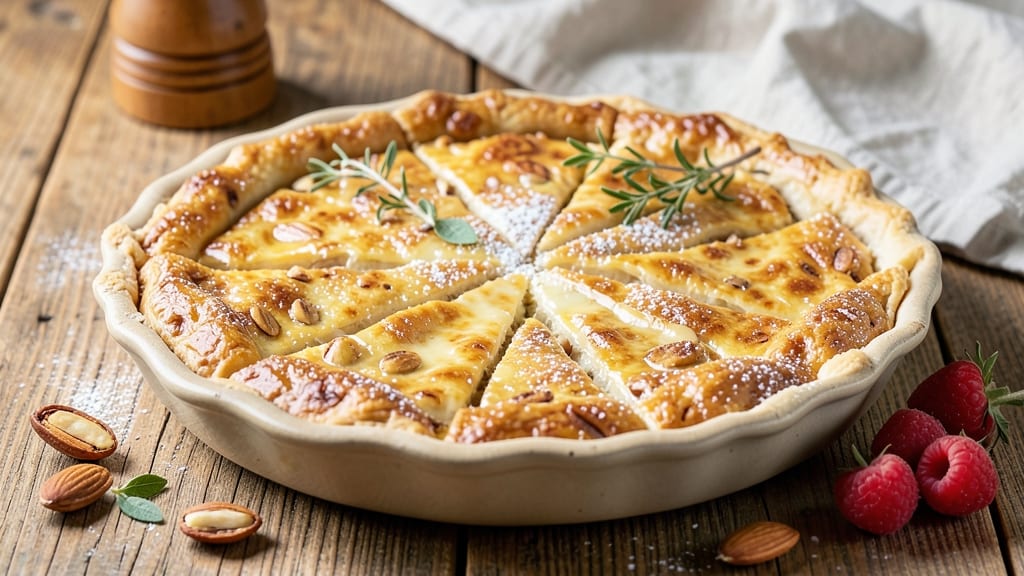
This gluten-free almond pie crust recipe delivers the same buttery crunch as traditional crusts—without a single grain of flour. 🌟 The secret lies in almond flour's natural binding power and a precise ratio of butter to fat, creating a sturdy yet delicate base that holds its shape even under pie fillings.
I've perfected this recipe over years of testing, ensuring it's sturdy enough for classic almond pie but adaptable to any gluten-free dessert.
The foundation uses almond flour, cold butter, and a touch of egg to create a cohesive dough that rolls smoothly without cracking. Unlike many gluten-free crusts that turn crumbly, this version stays together when chilled and bakes up golden with a tender interior and crisp edges.
The key is working quickly once the dough comes together—almond flour absorbs moisture fast, so timing matters.
What you'll end up with is a crisp, nutty crust that's sturdy enough to hold heavy fillings like almond cream or fruit compotes. The flavor is rich and slightly sweet from the almonds, complementing both sweet and tangy fillings perfectly.
Best of all, it requires no special equipment—just a rolling pin and a bit of patience for proper chilling.
For those with nut allergies, I'll share a substitution option using coconut flour, though texture will differ slightly. Always check your workspace for cross-contamination if sharing with gluten-sensitive individuals. Let's get started on this foolproof gluten-free crust that proves you don't need flour to create something extraordinary.
Ingredients for almond pie crust recipe gluten free
Nutty, buttery, and gluten-free—this crust packs serious flavor with just 9 ingredients.
| Ingredient | Amount | Notes |
|---|---|---|
| Almond Flour 🌰 | 2 cups | Finely ground, unsweetened |
| Unsalted Butter 🧈 | 1 cup | Cold, cubed, unsalted |
| Large Eggs 🥚 | 1 whole | Room temperature, beaten |
| Granulated Sugar 🍚 | ¼ cup | Fine, for binding |
| Vanilla Extract 🌿 | 1 tsp | Pure, high-quality |
| Salt 🧂 | ½ tsp | Fine sea salt |
| Ice Water 💧 | 2 tbsp | For dough consistency |
| Coconut Oil 🫒 | 1 tbsp | Melted, nut-free option |
| Coconut Flour 🌰 | ¼ cup | Nut-free substitution |
| Ground Flaxseed 🌾 | 1 tbsp | For binding in nut-free |
Almond flour is the star here, so Bob's Red Mill or King Arthur are my go-tos—they're finely ground and consistent. The butter needs to be cold (like, fridge-cold) so it creates flaky layers. I always buy Plugrá unsalted butter because it's European-style and works perfectly here. The sugar isn't just for sweetness—it helps the dough bind. If you're using the nut-free substitution, Bob's Red Mill coconut flour works best, but measure carefully—it absorbs way more moisture than almond flour. The flaxseed is just for binding in that version, so don't skip it if you're avoiding nuts.
No almond flour? Coconut flour is your best bet, but you'll need to add the flax egg and adjust the water—start with 1/4 cup more ice water and go from there. Short on butter? Coconut oil works in a pinch, but it'll be slightly less flaky. The vanilla extract can be imitation if you're on a budget, but Nike or McCormick pure makes a noticeable difference. For the nut-free version, I've tested this with Sunflower seed flour too, but the texture gets denser. If you're making a savory tart instead of a sweet pie, cut the sugar to 2 tablespoons and add 1/4 teaspoon of smoked paprika for depth.
This dough needs to chill for at least 30 minutes—up to 24 hours if you're prepping ahead. Wrap it tightly in plastic and keep it cold. Once rolled out, it's ready to use immediately, but if you need to store it, freeze the rolled crust on a parchment-lined tray for up to 2 months. Thaw in the fridge overnight. The nut-free version holds up differently—it's more fragile, so handle it gently. If you're making multiple pies, I recommend doubling the recipe—this dough doesn't freeze well once baked, but the unbaked version keeps perfectly.
Why You'll Love This Recipe
- No-Fuss Mixing: The dough comes together in three steps—pulse almond flour, cut in butter, add wet ingredients—no rolling required. Honestly, I’ve made this while chatting on the phone; the food processor does all the work.
- Buttery Vanilla Crunch: That touch of vanilla in the crust? It’s not just flavor—it’s magic. The butter stays rich and flaky, while the almonds add a nutty sweetness that pairs perfectly with anything from fruit fillings to chocolate ganache.
- Pie or Cookie Hack: Use half the dough for a pie crust, the other half as thick, buttery thumbprints or bars. I’ve even pressed it into a skillet for a quick dessert—this recipe adapts like a champ, especially when you’re short on time.
- Lasts All Week: The crust holds up beautifully for days, whether stored in the fridge or frozen. Between us, I’ve made a full batch on Sunday, used half for dessert, and the rest for a Monday breakfast tart—no one ever complains.
Step-by-step instructions for gluten-free almond pie crust
This crust is easier than it looks—just mix, press, and bake for a perfect nutty base.
👨🍳 Step 1: Mix Dry Ingredients for Perfect Texture
In a large bowl, whisk together the 2 cups almond flour, 0.25 cup granulated sugar, 0.5 tsp salt, and 0.25 cup coconut flour. This combo gives you the right balance of crunch and structure. I like to sift the almond flour first to avoid lumps—it makes a smoother crust.
Add the 1 tbsp ground flaxseed and mix again. The flaxseed acts like a natural binder, helping hold everything together without gluten. Stir until completely combined—you should see no streaks of flour left.
🍳 Step 2: Cut in Cold Butter for Flaky Layers
Add the 1 cup cold, cubed unsalted butter to the dry mix. Using a pastry cutter or two forks, work the butter into the flour until you have pea-sized crumbs with some larger butter pieces remaining. This is key for flaky layers—don't overwork it.
Here's the thing—if you use warm butter, you'll end up with a tough crust instead of that beautiful flaky texture. The cold butter should still be firm when you press it, but not rock-hard. If it is, let it sit at room temperature for 10 minutes.
🥘 Step 3: Add Wet Ingredients and Form the Dough
In a small bowl, whisk together the 1 whole large egg, 1 tsp vanilla extract, and 1 tbsp melted coconut oil. Then add the 2 tbsp ice water—this keeps the dough cool and prevents it from becoming too sticky.
Pour the wet ingredients into the dry mixture and gently stir with a fork until just combined. The dough will be crumbly but should hold together when pressed. If it's too dry, add 1 more teaspoon of ice water. If too sticky, sprinkle in a little more almond flour.
🔥 Step 4: Press the Crust into Your Pan
Transfer the dough to a pie dish (I use a 9-inch glass pie plate) and press it evenly into the bottom and about 1 inch up the sides. Use your fingers or a pie crust press—just work quickly so the butter doesn't melt. The edges should be slightly thicker than the center.
Here's a pro tip: I like to chill the crust for 20 minutes before baking. This prevents it from shrinking while it bakes. While it chills, preheat your oven to 350°F—this is the perfect temperature for a golden, crisp crust.
🔥 Step 5: Blind-Bake for Perfect Support
Line the pressed crust with parchment paper and fill it with pie weights or dried beans. Bake for 15 minutes at 350°F to pre-cook the crust. Remove the weights and bake for another 10-12 minutes until the edges are golden brown and the crust feels firm to the touch.
Watch closely in the last few minutes—this crust can go from perfect to overdone fast. Once golden, remove from the oven and let it cool for 10 minutes before adding your filling. The crust will firm up as it cools, giving you that perfect crunchy base.
Pro Tips For Making Almond Pie Crust Recipe Gluten Free
- Chill the Dough Properly: Almond flour crusts hate being rushed. Press your dough into the pan, wrap it tightly in plastic, and refrigerate for at least 30 minutes—yes, even if you’re eager to bake. I learned this after one batch expanded like a sad soufflé because I skipped this step.
- Use Cold Butter, Not Room-Temp: Cut that unsalted butter into tiny cubes and freeze it for 10 minutes first. Cold butter creates flaky layers, while room-temperature butter just makes a dense, greasy mess. Trust me, your crust will thank you when it’s golden and crisp, not soggy.
- Don’t Overmix the Eggs: Whisk the eggs just until combined—no need to turn them into meringue. Overmixing adds air, which can cause the crust to puff up unevenly or crack. A few gentle stirs with a fork is all it takes.
- Pre-Bake Until Firm: Bake the crust at 350°F (175°C) for 12-15 minutes until the edges are set and the center feels solid when pressed. Underbaking leads to a gummy bottom, and overbaking turns it dry. A toothpick should come out clean, but the crust shouldn’t be crispy yet—that’s for after the filling goes in.
Perfect pairings for this recipe
Filling Pairings
This crust holds up beautifully under classic almond cream filling—the nutty base enhances the almond flavor naturally. For a lighter option, try lemon curd or raspberry compote to balance the richness. I love adding a sprinkle of toasted almond slivers on top before baking for extra texture. 🌰
Ice Cream Toppings
Serve warm slices of this crust with vanilla bean ice cream or coffee gelato for a decadent dessert. The crisp edges contrast perfectly with cold ice cream. For a boozy twist, drizzle with caramel sauce and a splash of bourbon before serving. This combo is a crowd-pleaser at summer gatherings.
Savory Adaptations
Swap the sugar for smoked paprika and garlic powder, then use this crust for a savory tart with goat cheese and roasted vegetables. The almond base adds a subtle nutty depth that pairs well with tangy fillings like sun-dried tomato pesto.
This works great for brunch or light dinner parties. 🧀
Wine & Coffee Pairings
A glass of sweet Moscato complements the almond flavor perfectly, while espresso enhances the vanilla notes. For coffee lovers, serve slices of crust with a shot of vanilla latte—the warm spices balance the crust's richness. If you prefer wine, Port or Muscat add a luxurious touch. 🍷
Nut-Free Substitution
If using the coconut flour version, pair it with mango chutney or chocolate ganache to mask any coconut flavor. The texture remains sturdy enough for fillings, though it won't be as flaky. A drizzle of honey or dark chocolate elevates the dessert without overpowering the crust. 🍯
Seasonal Variations
In fall, top with spiced apple filling and a sprinkle of cinnamon. For spring, try strawberry-rhubarb compote with a honey glaze. The crust's neutral sweetness lets seasonal flavors shine while maintaining its signature crunch. 🍎
Nutrition facts
Frequently asked questions
Why does my gluten-free almond crust turn out crumbly?
Crumbly texture usually means the dough didn't get enough moisture or wasn't chilled properly. First, make sure you're using ice water—room temperature water can melt the butter too quickly. Second, the dough needs to rest for at least 30 minutes in the fridge before rolling. If it's still crumbly after chilling, add 1 teaspoon more ice water and press it gently into the pan.
Can I make this crust ahead of time?
This crust keeps beautifully for up to 24 hours in the fridge wrapped tightly in plastic. For longer storage, wrap the unbaked crust in parchment and freeze it for up to 2 months. Thaw overnight in the fridge before using. The pre-baked crust doesn't freeze well, so bake it fresh when ready to assemble your pie.
What's the best way to prevent a soggy bottom?
Blind-baking is your secret weapon! Always pre-bake the crust for 15 minutes with pie weights before adding filling. This creates a barrier that prevents moisture from seeping in. For extra insurance, brush the hot crust with a thin layer of apricot jam or egg wash before adding filling—it creates a moisture barrier that keeps the crust crisp.
Can I substitute almond flour for another gluten-free flour?
While almond flour gives the best texture, you can try sunflower seed flour or oat flour (certified gluten-free) in a pinch. However, the flavor and texture will differ—sunflower flour works better for savory applications, while oat flour may make the crust denser. For a closer match, blend 1/2 cup almond flour with 1/2 cup oat flour and adjust the liquid as needed.
How do I avoid cracks in the crust?
Cracks usually happen when the dough warms up too quickly or isn't pressed evenly. Work with cold dough and press it gently into the pan, keeping the edges slightly thicker than the center. After pressing, chill the crust for 20 minutes before baking. If cracks appear, brush them with a little egg wash after baking—they'll be less noticeable.