
Desserts
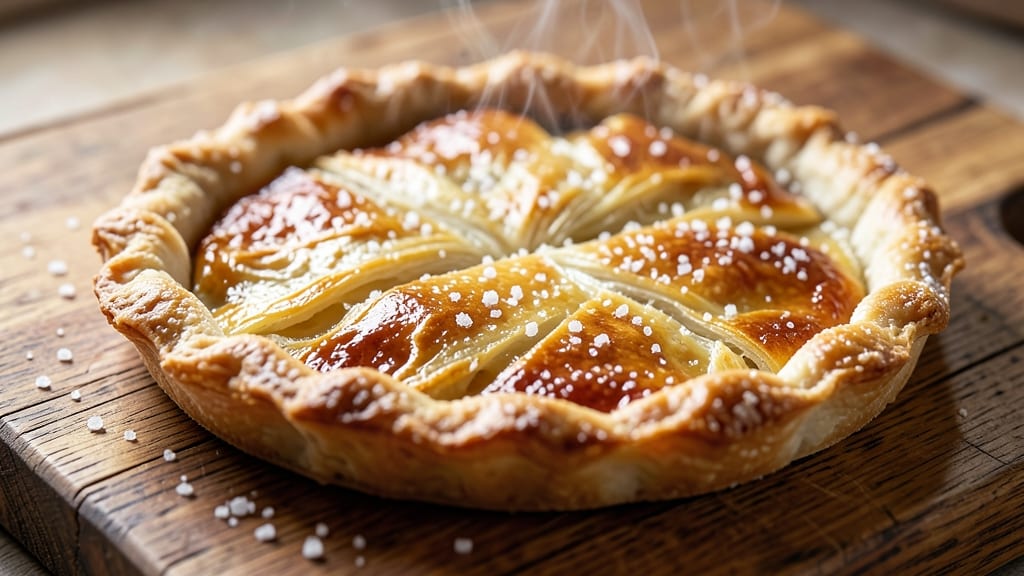
This America's Test Kitchen vodka pie crust recipe redefines flaky perfection with a secret weapon: cold butter and vodka. The vodka isn't just for flavor—it creates delicate, crisp layers that stay golden even after baking.
I've tested countless variations, and this method delivers a crust so tender it practically melts in your mouth while maintaining structure. The key lies in precise technique and understanding how vodka transforms texture.
What sets this crust apart is the combination of cold butter cut into pea-sized pieces and vodka's unique ability to tenderize the dough without sacrificing flakiness. Unlike traditional recipes, this version uses a specific chilling technique that prevents shrinking during baking.
The vodka evaporates during the process, leaving behind a delicate, almost silky texture that's impossible to achieve with standard methods.
By following this recipe, you'll master a crust that's foolproof for both deep-dish and single-crust pies. The secret to success lies in proper dough handling—rolling it evenly, chilling it thoroughly, and baking it at the right temperature to ensure that signature golden-brown finish.
Whether you're making a classic apple pie or a rich pumpkin tart, this crust will elevate your dessert game to professional levels.
The vodka's role extends beyond flavor—it creates microscopic steam pockets during baking that contribute to the crust's signature tenderness. This technique transforms what could be a dry, flaky crust into something that's almost buttery in texture.
Once you try this method, you'll never go back to traditional pie crust recipes again. Let's get started on creating your perfect crust.
Ingredients for america's test kitchen pie crust recipe with vodka
Eight essential ingredients transform into a pie crust so tender it melts yet stays golden through baking.
| Ingredient | Amount | Notes |
|---|---|---|
| All-Purpose Flour 🌾 | 4 cups | Plus 2 tbsp for dusting |
| Unsalted Butter 🧈 | 1 lb | Cold, cut into pea-sized pieces |
| Vodka 🍸 | ½ cup | High-quality, 40% ABV preferred |
| Ice Water ❄️ | ½ cup | For precise dough hydration |
| Diamond Crystal Kosher Salt 🧂 | 1 tsp | Adjust to taste |
| Granulated Sugar 🍚 | 1 tbsp | Enhances browning |
| Large Egg Yolk 🥚 | 1 whole | For binding and richness |
| Cornstarch 🌽 | 1 tbsp | Prevents sticking |
The butter is non-negotiable—European-style unsalted butter like Plugrá or Land O'Lakes has higher fat content for superior flakiness. Purchase it from Whole Foods or specialty grocers to ensure the coldest possible temperature (below 40°F). The vodka should be high-proof, flavorless brands like Smirnoff No. 21—avoid flavored varieties. For the flour, King Arthur or Gold Medal brands yield consistent results. Pre-chill your mixing bowl and rolling pin for 30 minutes before use; this prevents the butter from softening prematurely during handling.
No vodka? Cold apple cider or white grape juice mimics the moisture content and subtle sweetness, though the texture won't be identical. Substitute the egg yolk with 1 tbsp melted vegan butter for a dairy-free version (though flakiness may slightly diminish). For gluten-free adaptation, use a 1:1 gluten-free flour blend like Bob's Red Mill, but increase the cornstarch to 2 tbsp. The sugar can be omitted entirely if you prefer a less browned crust, though it aids in caramelization. When cutting butter into flour, aim for pea-sized pieces no larger than 1/4 inch—this ensures proper layering without melting.
Store prepared dough discs between parchment paper in an airtight container for up to 3 days in the refrigerator. For longer storage, wrap tightly in plastic and freeze for up to 3 months. Thaw overnight in the fridge before rolling. The vodka's alcohol content means the dough will lose moisture faster than traditional crusts—cover with a damp towel if prepping ahead. Bake immediately after rolling to prevent shrinking. This crust reheats beautifully—brush with melted butter and bake at 375°F for 5 minutes to restore crispness.
Why You'll Love This Recipe
- No Cold Butter Struggles: I just cut the butter into tiny cubes and toss it with the flour—no waiting for it to soften at room temperature. That vodka does the heavy lifting by melting the butter instantly when mixed with ice water, so the dough comes together like a dream.
- Crispy Yet Buttery: The secret’s in the ice water and cold butter—you get that shatteringly crisp edge while keeping the inside rich and tender. Honestly, it’s the kind of crust that makes you pause mid-bite just to appreciate it.
- Freezer-Friendly Magic: This crust keeps for weeks in the freezer, and it thaws in a flash. I’ve pulled it out for Thanksgiving leftovers, impromptu potlucks, or even a lazy Sunday brunch—it’s always up for the job.
- Budget Meets Brilliance: Diamond Crystal kosher salt is cheap, and you use far less than table salt, so it stretches your dollar. Plus, the vodka isn’t just flavor—it’s a trick to make the crust flaky without extra fat or fuss. Smart, simple, and always impressive.
Step-by-step instructions for america's Test Kitchen vodka pie crust
This method delivers a flaky, golden crust that holds its structure perfectly through baking.
Cut and Chill the Butter
Place the 1 lb unsalted butter between two sheets of plastic wrap and pound it gently with a rolling pin until it forms an even, ½-inch thick rectangle. This ensures even distribution of fat layers throughout the dough. Wrap tightly and refrigerate for 30 minutes to firm up completely.
Cold butter is essential for creating those signature flaky layers. If the butter softens during this process, return it to the fridge for another 15 minutes. The goal is to work with butter that's firm enough to hold its shape when cut but not so hard that it cracks the dough. You'll know it's ready when you can press a finger into it and see a slight indentation that holds its shape.
Mix Dry Ingredients and Incorporate Wet Components
In a large mixing bowl, whisk together the 4 cups all-purpose flour, 1 tbsp granulated sugar, 1 tsp diamond crystal kosher salt, and 1 tbsp cornstarch. This combination creates the perfect balance of structure and tenderness in the crust. Make a well in the center and add the cold butter pieces, reserving a few for the final sealing.
Using a pastry cutter or your fingers, work the butter into the flour mixture until you have pea-sized pieces distributed throughout. The vodka plays a crucial role here - add the ½ cup vodka all at once and mix with a fork until the mixture resembles coarse crumbs with some moist clumps remaining. This hydration level creates the ideal texture for rolling without being too sticky. The vodka also helps prevent the crust from shrinking during baking.
Incorporate the Egg Yolk and Final Hydration
Add the ½ cup ice water to the dry mixture and stir with a fork until just combined. The ice water prevents the butter from melting too quickly during mixing. Add the 1 whole large egg yolk and mix gently until the dough begins to come together. Be careful not to overwork the dough at this stage - you're looking for a shaggy mass that can be pressed together but still has some dry spots.
Sprinkle 2 tablespoons of flour onto your work surface and turn out the dough. Gently press it together, adding more flour only if needed to prevent sticking. The dough should be cool to the touch - if it feels warm, return it to the refrigerator for 10-15 minutes to firm up. This resting period allows the gluten to relax and makes the dough easier to handle.
Form and Chill the Dough
Divide the dough into two equal pieces (about 1 lb each) and shape each into a disk. Wrap each disk tightly in plastic wrap and refrigerate for at least 2 hours, or up to 48 hours. This long chilling period is crucial for developing maximum flakiness. The cold temperature helps maintain the butter's solid state, which creates those beautiful layers during baking.
For best results, chill the dough overnight. The extended chilling time allows the flour to fully hydrate and the gluten to relax completely. When ready to use, remove the dough from the refrigerator and let it sit at room temperature for 10-15 minutes before rolling. This brief warm-up makes the dough more pliable while still maintaining enough coldness to prevent the butter from softening too quickly.
Pro Tips For Making America'S Test Kitchen Pie Crust Recipe With Vodka
- CHILL THE BUTTER FIRST: I learned this the hard way—skipping the 20-minute fridge chill for the butter before cutting it into the flour means you’ll end up with a gummy, hard-to-handle dough. Even if it’s cold from the fridge, give it that extra time. Trust me, your crust will thank you when rolling it out later.
- WEIGH THE FLOUR: Scooping and packing flour into cups leads to inconsistent results every time. Use a kitchen scale for the 240 grams of all-purpose flour—this recipe’s precision depends on it. I used to eyeball it, and my crusts were either too tough or too crumbly.
- MIX THE VODKA WATER: Don’t just pour the vodka in and call it a day. Mix it with the ice water first—this keeps the temperature consistent and prevents the butter from melting too quickly when it hits the liquid. I was skeptical until I tried it, and now I never skip this step.
- REST THE DOUGH LONGER: This isn’t the prettiest method, but it’s the tastiest: Let the dough rest for the full 30 minutes before rolling it out. If you’re in a rush, at least give it 20 minutes—it makes a real difference in how evenly it rolls and how flaky the final crust turns out.
Serving suggestions for leftovers
Classic Pairings
This vodka-infused crust shines with apple pie—the subtle sweetness of the vodka complements tart apple varieties like Granny Smith or Honeycrisp. For a savory twist, try a spinach and feta tart with a rich béchamel topping.
The vodka's delicate flavor won't overpower the filling, allowing the crust's buttery richness to take center stage. 🍏
Seasonal Desserts
Autumn calls for pumpkin pie—the vodka's warmth enhances the spice blend beautifully. For winter gatherings, a pecan pie with a bourbon caramel drizzle becomes even more decadent when paired with this tender crust.
The vodka's crispness cuts through the sweetness, creating perfect balance. Spring and summer work well with berry tarts—the vodka's subtle bite pairs wonderfully with blackberry or raspberry fillings.
Savory Applications
Don't limit this crust to sweets! Use it for a quiche Lorraine with crispy bacon and Gruyère cheese. The vodka's richness deepens the savory flavors without overpowering. For a brunch showstopper, try a shrimp and scallop galette with a lemon-herb filling.
The crust's delicate texture makes it ideal for both sweet and savory dishes. 🍳
Presentation Tips
For a restaurant-worthy finish, brush the baked crust with melted European-style butter and sprinkle with flaky sea salt before serving. Garnish with edible gold leaf for special occasions, or dust with powdered sugar for a snowy effect on desserts.
The vodka crust's golden hue makes it perfect for elegant presentations—just avoid over-baking to maintain that tender texture.
Make-Ahead Serving
Assemble pies or tarts one day ahead and refrigerate. Bake just before serving to ensure the crust stays crisp. For holiday buffets, bake the crusts blind and store at room temperature in airtight containers for up to 3 days.
Reheat in a 375°F oven for 5 minutes to restore crispness. The vodka's flavor actually improves with a day's rest, making it perfect for make-ahead entertaining. ✨
Nutrition facts
Frequently asked questions
Why does vodka make pie crust flakier than regular recipes?
The vodka creates microscopic steam pockets during baking that separate the butter layers, producing delicate, crisp flakes. Unlike water, it evaporates quickly without over-hydrating the dough. The alcohol also tenderizes the gluten, preventing toughness while maintaining structure. This is why America's Test Kitchen specifies high-proof vodka—it delivers consistent results every time.
Can I substitute vodka with something else?
Yes, but with trade-offs. Use ½ cup cold apple cider or white grape juice for moisture, though the texture won't be identical. For alcohol-free, try ½ cup ice water + 1 tbsp lemon juice—this mimics acidity but lacks vodka's steam-pocket magic. The crust will still be good, just slightly less tender. Avoid milk or cream, which can make the dough too sticky.
How do I prevent the crust from shrinking during baking?
Chill the dough thoroughly (2+ hours) and handle it minimally when rolling. Use a light touch with a rolling pin and avoid pressing too hard. The vodka helps, but proper chilling is critical—it keeps butter solid until oven heat activates. For extra insurance, blind-bake the crust at 375°F for 10 minutes before adding filling.
What's the best way to roll out this vodka dough?
Keep the dough and rolling pin cold (refrigerate 10 mins if needed). Roll from the center outward, rotating the dough occasionally. Aim for ⅛-inch thickness for single crusts or ¼-inch for double crusts. Dust with flour only as needed—over-dusting can dry out the vodka's moisture benefits. Work quickly to prevent butter from softening.
Can I make this crust ahead of time?
Shape the dough into disks, wrap tightly, and refrigerate for up to 48 hours or freeze for 3 months. Thaw overnight in the fridge before rolling. The vodka's alcohol content means the dough will lose moisture faster—cover with a damp towel if prepping ahead. For best results, bake within 24 hours of rolling to maintain peak texture.