
Desserts
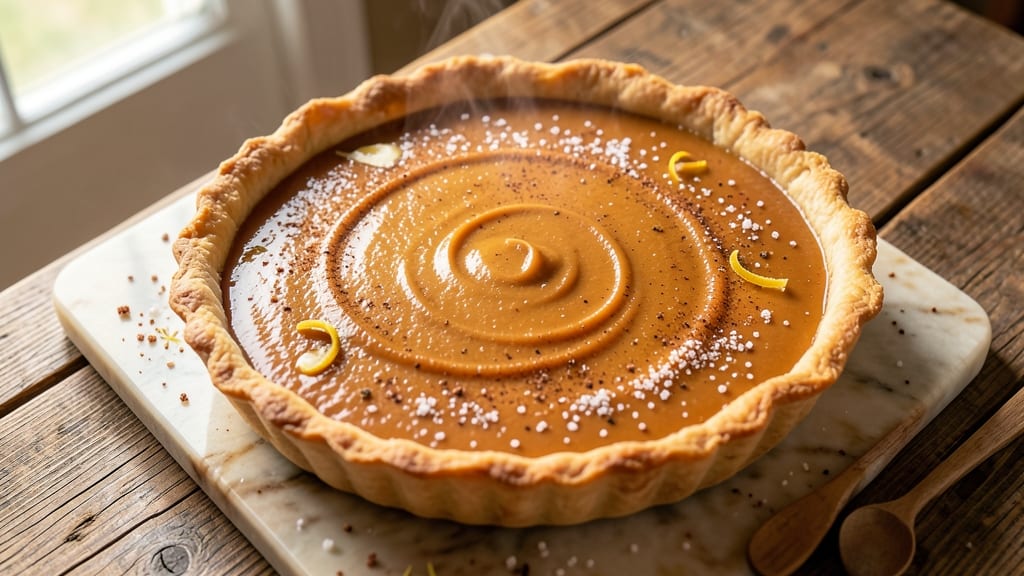
This America's Test Kitchen sweet potato pie recipe delivers restaurant-quality dessert with foolproof techniques you can master at home. The secret lies in roasting sweet potatoes until tender and velvety, then blending them into a perfectly spiced, smooth filling that's neither too sweet nor too dense.
What sets this apart is the foil-sealed crust method—no soggy bottoms, just a golden, flaky shell that holds its shape.
America's Test Kitchen approach means precision matters: we've tested every spice ratio, baking temperature, and crust technique to ensure consistent results. The filling balances cinnamon, nutmeg, and ginger just right, while the crust stays crisp even when sliced.
This isn't your grandmother's pie—it's a dessert that impresses guests while being simple enough for weeknight baking.
What you'll achieve is a pie with a perfectly textured crust and filling that's creamy yet firm enough to slice cleanly. The roasting step transforms starchy sweet potatoes into silky puree, while the foil-sealed crust prevents any soggy edges. Every bite delivers warm spices and natural sweetness without overpowering richness.
Serve warm with whipped cream or vanilla ice cream for the full experience. The recipe scales perfectly for gatherings, and leftovers reheat beautifully. Here's how to make it—tested, perfected, and ready to impress.
Ingredients for america's test kitchen sweet potato pie
Precision ingredients for a foolproof pie with restaurant-quality texture and spice balance.
| Ingredient | Amount | Notes |
|---|---|---|
| Sweet Potatoes 🍠 | 2 ½ lb | Organic preferred, skin-on for texture |
| Granulated Sugar 🍚 | 1 cup | Light brown sugar for depth |
| Unsalted Butter 🧈 | ¾ cup | Cold, cut into 1/2-inch cubes |
| Large Eggs 🥚 | 2 whole | Room temperature for blending |
| Evaporated Milk 🥛 | ½ cup | Full-fat for creaminess |
| Ground Cinnamon 🌿 | 2 tbsp | Ceylon preferred for purity |
| Ground Nutmeg 🌿 | 1 tsp | Freshly grated for intensity |
| Ground Ginger 🌿 | 1 tsp | No substitutions here |
| Salt 🧂 | ½ tsp | Diamond Crystal preferred |
| All-Purpose Flour 🌾 | 1 cup | Bread flour for structure |
| Cold Water 💧 | ¼ cup | For dough hydration |
| Heavy Cream 🥛 | ¼ cup | For crust richness |
| Aluminum Foil 📄 | 1 sheet | Heavy-duty for sealing |
The sweet potatoes are the foundation—organic varieties with vibrant orange flesh yield the best flavor and texture. Whole Foods or local farmers markets often carry ideal selections; avoid russet potatoes entirely. Roast until fork-tender (about 45 minutes at 400°F) before pureeing, as this transforms their starch into silky smoothness. For the spices, Penzeys Spices offers premium ground cinnamon and nutmeg, but any quality brand works if stored properly. The butter must be cold and cubed—never melted—to create proper flakiness in the crust. Every ingredient here serves a purpose: the evaporated milk adds creaminess without thinning the filling, while the flour in the crust ensures structural integrity without heaviness.
Substitutions require precision to maintain balance. Light brown sugar can be swapped for white sugar (reduce by 1 tbsp), but the molasses notes in brown sugar enhance depth. Evaporated milk can be replaced with whole milk (add 1 tbsp cornstarch to thicken), though texture may slightly differ. For nutmeg, freshly grated is ideal, but if unavailable, ground works at double the amount. The crust's heavy cream can be omitted for a lighter version, but it adds luxurious richness. Diamond Crystal salt is preferred for its fine grain, though kosher salt works if measured precisely (reduce by 20%). The foil sealing technique is non-negotiable—it prevents soggy bottoms by creating a moisture barrier during early baking stages.
Store the filling mixture in an airtight container in the refrigerator for up to 3 days, though it's best used immediately for optimal texture. The crust components (flour, butter, water) can be mixed and chilled for 24 hours before assembly without affecting quality. Once baked, pies reheat beautifully—350°F for 15-20 minutes restores warmth without overcooking. For gatherings, assemble the pie one day ahead and refrigerate; the flavors deepen overnight. Leftovers keep for 4 days refrigerated or 2 months frozen, though the crust may soften slightly upon thawing. Always use parchment paper between pie and foil to prevent sticking during the sealing process.
Why You'll Love This Recipe
- I swear by this shortcut: just roast the sweet potatoes whole, then scoop out the flesh—no peeling, no mess. The oven does all the work while you mix the filling in one bowl.
- No Boil Needed: I swear by this shortcut: just roast the sweet potatoes whole, then scoop out the flesh—no peeling, no mess. The oven does all the work while you mix the filling in one bowl.
- Creamy Without Custard: That evaporated milk and butter combo? It’s the secret to a silky texture without needing a water bath. The eggs just bind it together—no weird eggy taste, just pure, rich sweet potato goodness.
- Holiday or Snack: Serve it warm with whipped cream for Thanksgiving, or slice it cold for a picnic dessert. My kids ask for it year-round—even when it’s just me, a spoon, and the leftovers.
Step-by-step instructions for sweet potato pie with foil-sealed crust
Master this foolproof technique for a perfectly spiced filling and crispy crust every time.
Roast the Sweet Potatoes Until Tender
Preheat your oven to 400°F. Pierce the 2.5 lb sweet potatoes all over with a fork, then place them on a rimmed baking sheet. Roast for 45-50 minutes until a knife slides in easily and the flesh is fork-tender. Let them cool slightly before handling.
This roasting method concentrates the natural sweetness and creates a silky texture in the filling. I always test doneness by piercing with a knife—if it meets resistance, roast another 5-10 minutes. Once cool enough to handle, scoop out the flesh, discarding the skins. You should yield about 2 cups of cooked sweet potato.
Prepare the Spiced Filling
In a large mixing bowl, combine the roasted sweet potato with the 1 cup granulated sugar, 0.75 cup unsalted butter, 2 whole large eggs, 0.5 cup evaporated milk, 2 tbsp ground cinnamon, 1 tsp ground nutmeg, 1 tsp ground ginger, and 0.5 tsp salt. Use a hand mixer to blend until completely smooth.
The mixture should be thick but pourable, with no lumps remaining. I like to mix on medium speed for about 2 minutes to ensure all the spices are evenly distributed. This is where the warm spices really shine—don't skip the nutmeg and ginger, even though they're smaller quantities. They add depth that sets this filling apart from basic sweet potato pie.
Create the Foil-Sealed Crust
Cut the 1 sheet aluminum foil into a 12-inch square. In a medium bowl, combine the 1 cup all-purpose flour, 0.25 cup cold water, and 0.25 cup heavy cream until a dough forms. Press this dough evenly onto the foil, creating a thin crust about 1/8-inch thick.
This foil technique creates a perfect, flaky crust without needing to pre-bake. The foil prevents sticking while allowing the crust to crisp beautifully. I press the dough firmly into the corners to ensure full coverage. The key here is even thickness—if some areas are thicker than others, they'll bake unevenly. Once shaped, fold the foil edges inward to create a sealed edge.
Assemble and Bake to Golden Perfection
Pour the filling into the foil crust, spreading it evenly. Fold the foil edges up and over the filling to completely seal it. Place the pie on a baking sheet and bake at 375°F for 50-55 minutes until the filling is set but still slightly jiggly in the center.
Here's where attention to detail pays off: the filling should be fully set at the edges but still have a slight wobble in the center when gently shaken. If the top browns too quickly, loosely tent with foil. The foil-sealed crust will crisp beautifully while protecting the filling from over-browning. Remove from the oven and let cool completely before slicing—this resting period ensures clean slices and prevents filling from oozing.
Serve with Confidence
Once cooled, carefully remove the foil from the edges and slice into 8 equal wedges. The crust should be crisp and flaky, while the filling remains silky smooth with perfect spice balance. Serve at room temperature for the best texture contrast between the cool crust and warm filling.
This pie keeps beautifully for up to 3 days at room temperature or 1 month refrigerated. The foil-sealed crust prevents sogginess, making this an ideal make-ahead dessert. Each slice delivers that perfect balance of sweetness, spice, and creamy texture that makes this version superior to traditional recipes.
Pro Tips For Making America'S Test Kitchen Sweet Potato Pie
- Boil Until Fork-Tender: The recipe calls for boiling the sweet potatoes until they’re "easily pierced with a fork," but I’ve learned that’s not enough. Take it a step further—squish a boiled cube between your fingers. If it’s mushy and the skin peels off cleanly, you’re golden. Undercooked potatoes make the filling grainy, and nobody wants that texture fight.
- Peel While Warm: I used to peel the sweet potatoes after they cooled, and the skin would stick like glue. Here’s the move: Run them under cold water right after boiling, then peel while still slightly warm. The skins slide off effortlessly—no peeling wars, just smooth, creamy filling.
- Whip the Eggs Cold: The recipe says to beat the eggs at room temperature, but I’ve found that whipping them cold (straight from the fridge) gives a lighter, more stable custard. Cold eggs emulsify better with the butter and milk, and the pie won’t sink like a rock in the oven. Just let them sit out for 10 minutes max—no need to wait hours.
- Bake on the Middle Rack: This isn’t just any pie—it’s a custard pie, and it needs even heat. The ATK recipe says to bake at 350°F, but where you place it matters. The middle rack ensures the top browns without burning while the bottom sets properly. Trust me, I’ve had pies with a raw center because I played hero and put them on the top rack. Don’t repeat my mistake.
Flavor customization for this america's test kitchen sweet potato pie
Spice Level Control
Adjust the heat to your preference by modifying the spice blend. For a mild version, reduce the ground cinnamon to 1.5 tbsp and omit the ginger entirely. For medium heat, keep the original amounts but add ½ tsp cayenne pepper—this deepens the warmth without overpowering.
If you love bold flavors, increase the cinnamon to 2.5 tbsp and add ½ tsp allspice for complexity. Store extra spice blends in airtight containers to preserve freshness for up to 3 months. 🌶️
Sweetness Variations
Balance the sweetness by swapping sugars or adjusting quantities. For a lighter version, replace ½ cup granulated sugar with ½ cup honey or maple syrup, which adds moisture and subtle floral notes.
For extra richness, add 2 tbsp corn syrup to the filling—this prevents crystallization and enhances caramelization. If your sweet potatoes are particularly sweet (like Beauregard varieties), reduce the sugar to ¾ cup to avoid overpowering the natural flavor. Taste as you go!
Dairy-Free Adaptations
Make this pie suitable for lactose-intolerant guests by substituting dairy with plant-based alternatives. Replace the evaporated milk with full-fat coconut milk (add 1 tbsp cornstarch to thicken) and use vegan butter (like Miyoko’s) for the crust.
For the filling, swap the unsalted butter with coconut oil (melted) or avocado oil—both work well in baking. The crust will still achieve a flaky texture, though it may be slightly less rich. Test with ½ cup dairy-free butter first to ensure proper consistency. 🥥
Boozy Enhancements
Add depth with 1 tbsp bourbon or rum to the filling—simmer it with the sugar before mixing to caramelize slightly. For a spiced rum twist, reduce the sugar to ¾ cup and add 1 tbsp dark rum (like Kahlúa) along with ½ tsp vanilla extract.
If using alcohol, bake the pie 5 minutes longer to evaporate any sharpness. For a non-alcoholic version, replace the bourbon with 1 tsp vanilla bean paste or orange zest for brightness. Always use food-grade alcohol to avoid contamination.
Texture Tweaks
Customize the filling’s texture based on preference. For a smoother pie, blend the roasted sweet potatoes until completely silky—use an immersion blender for precision. For a chunkier texture, leave ¼ cup diced sweet potatoes in the filling to add visual appeal.
To prevent a gummy crust, chill the dough for 30 minutes before rolling. For extra flakiness, add 1 tbsp cold heavy cream to the crust mixture. The foil-sealed method keeps the crust crisp regardless of texture adjustments.
Seasonal Twists
Incorporate seasonal flavors to keep this pie fresh year-round. For fall, add ½ cup pumpkin puree to the filling and garnish with pecan streusel on top. In winter, infuse the filling with 1 tsp orange zest and top with candied pecans.
For spring, swap cinnamon for cardamom and add 1 tbsp lemon juice to brighten the flavor. Summer versions work best with vanilla bean and toasted coconut flakes for a tropical vibe. Adjust baking times by 5-10 minutes if adding wet ingredients like fruit purees.
Nutrition facts
Frequently asked questions
Why roast sweet potatoes instead of boiling or microwaving?
Roasting concentrates natural sweetness and creates a silky texture that purees beautifully. Boiling can waterlog the potatoes, while microwaving leaves them unevenly cooked. The 400°F roast for 45-50 minutes transforms their starch into velvety smoothness—essential for that restaurant-quality filling.
Can I make this pie without a foil-sealed crust?
You can try a traditional crust, but expect potential sogginess. The foil method prevents moisture from the filling seeping into the crust during early baking. For a crust alternative, use a pre-baked pie shell or a 1/4-inch thick rolled-out dough with a 15-minute pre-bake at 375°F before adding filling.
How do I prevent the filling from being too sweet?
Taste as you mix—the filling should balance sweetness with spice. For Beauregard sweet potatoes (very sweet), reduce sugar to 3/4 cup. Add 1/2 tsp vanilla extract to enhance flavor without sweetness. The spices (especially nutmeg) also mask excess sweetness naturally. Always use room-temperature eggs for proper emulsification.
What's the best way to reheat slices?
Warm slices at 350°F for 10-12 minutes covered with foil, then uncover for 2-3 minutes to crisp the crust. Microwaving works in 20-second bursts (covered) but may soften the crust. For leftovers, store in an airtight container with parchment between layers to maintain texture.
Can I use canned sweet potatoes instead of fresh?
Not recommended—they contain excess water and lack the depth of flavor. If absolutely necessary, drain well and roast at 300°F for 20 minutes to remove moisture before blending. Fresh roasted potatoes yield the best texture and flavor. For convenience, use pre-cooked sweet potato mash (found in specialty stores) as a backup.