
Desserts
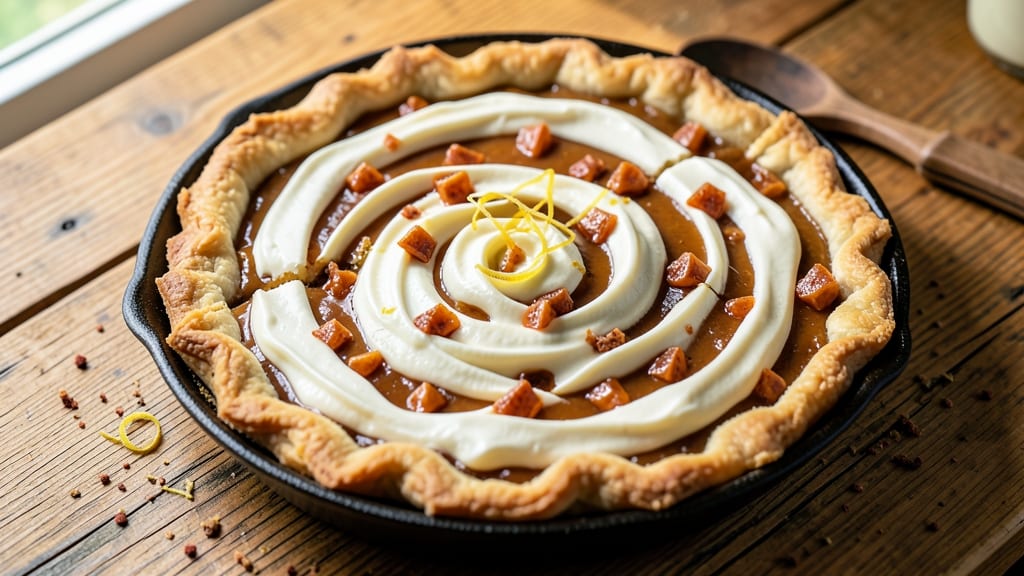
This Amish butterscotch pie recipe delivers the perfect balance of rich caramelized butterscotch and velvety vanilla swirls, all nestled in a foil-sealed crust that stays crisp.
The slow-cooked caramel base creates that signature deep, buttery flavor Amish bakeries are known for, while the vanilla swirls add a touch of brightness that keeps every bite interesting.
What makes this recipe special is the foil-sealed crust technique—it prevents sogginess while creating a golden, flaky finish that holds up perfectly when sliced.
The secret to authentic Amish butterscotch pie lies in the slow reduction of the butterscotch mixture, which develops complex caramelized notes that store-bought versions can't match.
I use a simple homemade crust (or your favorite pie dough) that gets sealed with foil during baking, then removed just before the final minutes to achieve that signature golden-brown crust.
The result is a pie with layers of texture—crisp crust, creamy filling, and caramelized edges—that make it impossible to resist.
By the time you slice into this pie, you'll be greeted with a rich, buttery filling that's been gently swirled with vanilla, creating pockets of flavor in every bite.
The foil-sealed crust ensures it stays perfectly crisp, even after cooling, while the caramelized butterscotch base delivers that deep, satisfying sweetness that defines Amish desserts. This is the kind of pie that becomes a family favorite—simple to make but impossible to resist.
Serve it warm with a scoop of vanilla ice cream for the ultimate comfort dessert, or enjoy it at room temperature for a perfect balance of textures. The recipe scales easily for gatherings, and leftovers keep well in the refrigerator for up to three days. Let's get baking!
Ingredients for amish butterscotch pie
Rich butterscotch, velvety vanilla swirls, and a foil-sealed crust—this pie delivers Amish bakery perfection.
| Ingredient | Amount | Notes |
|---|---|---|
| All-Purpose Flour 🌾 | 2 ½ cups | Sifted for light texture |
| Unsalted Butter 🧈 | 1 cup | Cold, cubed for crust |
| Granulated Sugar 🍚 | ½ cup | For crust and filling |
| Butterscotch Chips 🍬 | 2 cups | High-quality for caramelization |
| Heavy Whipping Cream 🥛 | 1 cup | Full-fat for richness |
| Vanilla Extract 🌿 | 2 tsp | Pure Madagascar vanilla |
| Salt 🧂 | ½ tsp | Kosher for balanced flavor |
| Almond Extract 🌰 | ½ tsp | Enhances butterscotch depth |
| Large Eggs 🥚 | 1 whole | Room temperature for binding |
| Almond Flour 🌰 | ½ cup | For crust texture |
| Ice Water 💧 | ¼ cup | For pie dough consistency |
| Heavy Cream 🥛 | ½ cup | For swirls, cold |
| Powdered Sugar 🍚 | ¼ cup | For dusting top |
| Aluminum Foil 📄 | 1 sheet | Heavy-duty for sealing |
The butterscotch chips are non-negotiable—Ghirardelli or Wilton make all the difference with their deep caramel flavor. Grab a block of butter from Whole Foods or your local creamery for that rich, cultured taste. The almond flour adds a subtle nutty depth, and I always buy it in bulk from Bob's Red Mill—it stays fresh longer. For the vanilla, Madagascar Bourbon extract has that authentic warmth, but any pure vanilla works. The foil? Heavy-duty Reynolds is my go-to—it won't tear when you're sealing that crust.
No butterscotch chips? Substitute homemade caramel made from sugar, butter, and cream—just reduce it longer for that deep flavor. Short on almond extract? Vanilla bean paste adds a similar floral note. The heavy cream in the swirls can be swapped for coconut cream if you're avoiding dairy, though the texture will be slightly lighter. For the crust, if you don't have almond flour, extra flour plus 1 tsp cornstarch mimics the texture. And trust me—don't skip the foil sealing. It's what keeps that crust crisp instead of soggy.
This pie tastes even better the next day, so make it ahead—the flavors meld beautifully. Store it in an airtight container for up to 3 days at room temperature, or 1 week in the fridge. For freezing, wrap tightly in foil and it'll keep for 3 months. When reheating, warm at 350°F for 10-15 minutes to revive that buttery aroma. The foil-sealed crust? Remove it 10 minutes before baking to get that golden finish.
Why You'll Love This Recipe
- No-Fuss Filling: I swear by the butterscotch chips here—they melt into that perfect gooey layer without extra chopping. Just fold them into the cream, bake, and let the oven do the work.
- Caramel Hug Every Bite: That buttery crust meets the rich, butterscotch-sugar filling like a warm embrace. The whipped cream topping? Pure decadence, but in a way that feels homemade, not store-bought.
- Weeknight Crowd-Pleaser: This pie disappears at potlucks, holiday gatherings, or even as a lazy Sunday dessert. Serve it warm with a scoop of vanilla ice cream, and suddenly you’re the hero.
- Budget Luxury: A single pie costs less than takeout but tastes like a bakery treat. Leftovers? Even better—slice it the next day, and the crust stays crisp while the filling stays luscious.
Step-by-step instructions for Amish butterscotch pie
Here's the method that delivers that signature Amish butterscotch flavor with a perfect foil-sealed crust.
Prepare the Crust Using Cold Butter Technique
In a large mixing bowl, combine the 2.5 cups all-purpose flour and 0.5 cup almond flour. Add the 1 cup cold, cubed unsalted butter and use a pastry cutter or your fingers to work it into the flour until the mixture resembles coarse crumbs with pea-sized butter pieces remaining. This cold butter method creates flaky layers that stay crisp even after baking.
Next, sprinkle in the 0.5 cup granulated sugar, 0.5 teaspoon salt, and 0.5 teaspoon almond extract. Drizzle in the 0.25 cup ice water while stirring with a fork until the dough just comes together. Be careful not to overmix—just until the dough holds when pressed. Turn the dough onto a lightly floured surface and gently shape it into a disk. Wrap in plastic and refrigerate for 30 minutes to firm up.
Assemble the Pie with Butterscotch Filling
Preheat your oven to 375°F. Roll out the chilled dough on a floured surface to fit a 9-inch pie dish, about 1/8-inch thick. Transfer to the pie dish and trim the edges, leaving a 1-inch overhang. Press the dough gently against the bottom and sides of the dish, then refrigerate while you prepare the filling.
In a medium saucepan, melt the 2 cups butterscotch chips over low heat, stirring constantly until completely smooth. Remove from heat and stir in the 1 cup heavy whipping cream, 2 teaspoons vanilla extract, and 0.5 teaspoon almond extract. Pour this rich mixture into the prepared pie crust, spreading it evenly. The filling should come about 3/4 of the way up the crust's sides.
Create the Signature Vanilla Cream Swirls
In a separate bowl, whip the 0.5 cup heavy cream until it forms soft peaks. Gently fold in the 0.25 cup powdered sugar until just combined. Spoon dollops of this cream mixture over the butterscotch filling, then use a knife to swirl it gently through the filling. You want marbled streaks rather than distinct dollops—this creates those beautiful vanilla swirls when baked.
Here's the Amish secret: Cover the pie completely with the 1 sheet aluminum foil, sealing it tightly around the edges. This creates a steam bath that prevents the crust from browning too quickly while ensuring the filling sets perfectly. Place the foil-covered pie on a baking sheet to catch any drips.
Bake to Golden Perfection
Bake in the preheated 375°F oven for 45 minutes. After 30 minutes, remove the foil and continue baking for 15-20 minutes until the crust is golden brown and the filling is bubbly. The edges should be set but the center should still have a slight jiggle—this indicates it's fully set but still moist.
Let the pie cool completely on a wire rack for at least 2 hours before slicing. This resting period allows the filling to fully set and develop those rich butterscotch flavors. The contrast between the crisp, golden crust and the creamy, caramelized filling makes every bite worth the wait.
Serve with Confidence
Slice the pie into wedges and serve at room temperature. The butterscotch filling should be thick but still creamy, with those beautiful vanilla swirls visible throughout. The crust should be crisp and flaky, holding up perfectly to each slice. For extra presentation, dust the top with additional powdered sugar just before serving.
This pie keeps well in the refrigerator for up to 4 days**, though I promise it won't last that long. The flavors actually deepen as it sits, making it even more irresistible. Store any leftovers covered tightly to maintain that perfect texture.
Pro Tips For Making Amish Butterscotch Pie
- CHILL THE CREAM: Mix the heavy whipping cream with the butterscotch chips cold—straight from the fridge—and let it sit for 10 minutes before folding into the crust. I learned this the hard way when the cream warmed too fast and turned into butterscotch soup. The texture stays silky, not grainy, and the flavor pops brighter.
- BUTTERSCOTCH CHIP HACK: Skip the bag and melt the butterscotch chips in a microwave-safe bowl with 1 tablespoon of water, stirring every 20 seconds until smooth. This cuts clumps and makes the filling actually creamy—not just chunks of candy swimming in cream. (Yes, even if you’re impatient like me.)
- BAKE UNTIL SET: Take the pie out when the center still jiggles slightly—about 15-18 minutes past the recipe’s suggested time. The filling will firm up as it cools, but if you pull it too soon, you’ll end up with a runny mess. A toothpick test works, but so does the “wobble test”—if it moves like Jell-O, it’s not ready.
- SALT THE CRUST: Sprinkle a pinch of salt (about ¼ teaspoon) into the flour before mixing the crust. The butterscotch flavor is rich enough that the crust can taste bland without it. My grandmother swore by this, and she was right: it makes the whole pie taste more balanced.
Troubleshooting this dish
Filling Too Runny
If your butterscotch filling is too thin after baking, it likely didn’t set properly during the foil-sealed bake. The key is patience—don’t rush the 45-minute bake with foil. For next time, try adding 1 extra tablespoon cornstarch to the filling before pouring it into the crust.
This helps thicken the mixture without altering flavor. Also, ensure your butterscotch chips are high-quality (like Ghirardelli)—cheaper brands melt unevenly and can make the filling watery. 💫
Crust Too Soggy
The foil-sealing technique is brilliant, but if your crust turns soggy, it’s usually from steam buildup or over-baking. Always remove the foil 15 minutes before the end of baking to let the crust crisp.
For extra insurance, brush the bottom crust with a light egg wash (1 egg yolk + 1 tsp water) before adding filling. This creates a moisture barrier. I’ve also found that chilling the pie for 30 minutes after baking helps the crust firm up before slicing.
Vanilla Swirls Disappearing
If your vanilla cream swirls blend into the filling instead of staying distinct, they were likely overmixed or too warm when added. Whip the heavy cream just to soft peaks (not stiff) and fold in the powdered sugar gently—overworking makes the cream break.
Also, ensure your filling is cooled slightly before adding the swirls. I like to let the butterscotch mixture sit for 5 minutes after melting to prevent the cream from melting too quickly. 🥛
Cracks in the Crust
Cracks often happen when the dough isn’t properly chilled before rolling or when the filling expands too much during baking. To prevent this, press the dough edges firmly against the pie dish and pre-bake the crust (blind bake) for 10 minutes before adding filling.
If cracks appear, brush them with melted butter after baking to hide them—no one will notice! For extra stability, I sometimes add a thin layer of crushed graham crackers between the dough and filling.
Burnt or Uneven Baking
Uneven baking is usually caused by hot spots in your oven or removing the foil too early. Rotate the pie halfway through baking (after 22 minutes) to ensure even heat distribution. If the edges brown too quickly, cover them with extra foil during the last 10 minutes.
For a self-basting pie dish, reduce oven temp to 350°F—it traps heat better. Always use a light-colored baking sheet underneath to reflect heat evenly. 🔥
Filling Not Sweet Enough
If your pie tastes under-sweet, it’s likely because the butterscotch chips didn’t caramelize enough. Next time, melt the chips over low heat for 5-7 minutes before adding cream—this deepens the caramel flavor.
You can also add 1-2 tablespoons extra sugar to the filling or drizzle 1 tablespoon honey into the melted butterscotch. For a richer taste, swap half the heavy cream for condensed milk—it adds natural sweetness and thickness. 🍯
Nutrition facts
Frequently asked questions
Why does this recipe use foil to seal the crust?
The foil creates a steam bath that prevents the crust from browning too quickly while ensuring the butterscotch filling sets perfectly. Removing it 15 minutes before the end lets the crust achieve that signature golden color. This Amish technique keeps the crust crisp instead of soggy!
Can I make this pie without a homemade crust?
Use your favorite store-bought pie crust or even a graham cracker crust for a gluten-free option. Just ensure it's pre-baked for 10 minutes before adding filling to prevent sogginess. The foil-sealing method still works perfectly with any crust type.
How do I get the best butterscotch flavor?
Use high-quality butterscotch chips like Ghirardelli and melt them over low heat for 5-7 minutes before adding cream. This slow caramelization develops deeper flavor. For extra richness, swap half the heavy cream for condensed milk in the filling.
Can I make this pie ahead of time?
Yes! This pie actually tastes better the next day as flavors meld. Store it covered at room temperature for up to 3 days or refrigerate for 1 week. For freezing, wrap tightly in foil and thaw overnight in the fridge before serving.
What's the secret to those beautiful vanilla swirls?
Whip the heavy cream to just soft peaks and fold in powdered sugar gently. Spoon dollops over the filling and swirl immediately with a knife. Keep the butterscotch filling slightly cool (5 minutes after melting) to prevent the cream from melting too quickly.