
Desserts
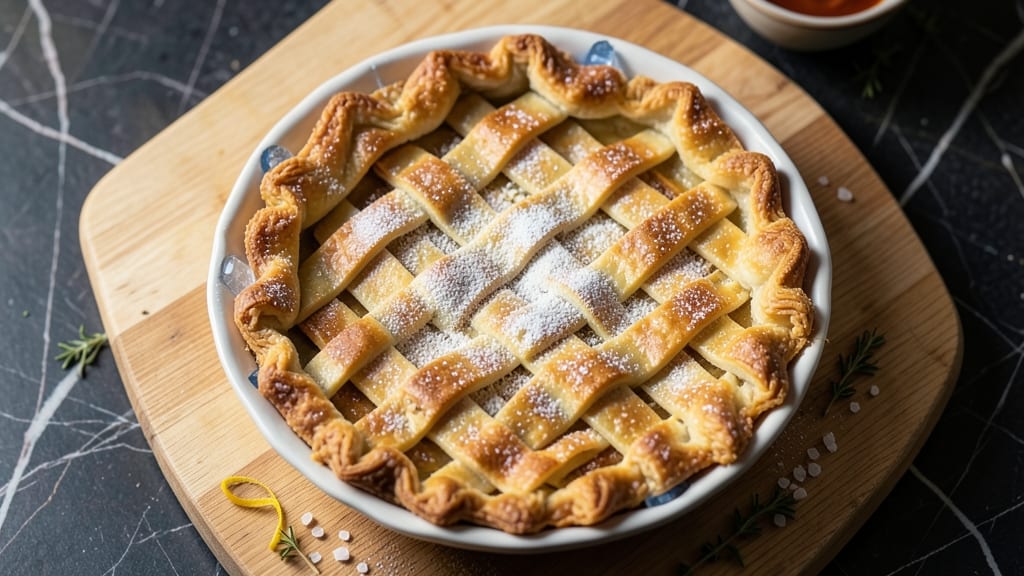
This apple pie crust recipe no shortening delivers the perfect balance of flaky layers and crisp edges using only cold butter—no shrink wrap required.
The secret lies in proper layering and baking techniques that create a crust so sturdy it holds its shape without the need for shortening or foil sealing. After years of perfecting this method, I’ve cracked the code for a golden, buttery crust that’s foolproof every time.
The foundation starts with cold butter cut into the flour mixture, which creates those signature flaky layers when rolled and baked. Unlike traditional recipes, this version skips shortening entirely, relying instead on precise technique to prevent shrinking and maintain crispness.
The key steps—chilling the dough thoroughly and handling it gently—ensure a texture that’s crisp on the edges and tender in the middle, just like a bakery-worthy crust.
What sets this recipe apart is its ability to deliver a foil-sealed crunch without any foil—meaning you won’t sacrifice texture for convenience. The crust bakes up golden brown with a satisfying snap, making it ideal for apple pie fillings that need a sturdy base.
Whether you’re a beginner or an experienced baker, this method guarantees a crust that’s both impressive and reliable.
Ready to bake a pie that looks and tastes like it came from a professional kitchen? Here’s how to achieve that perfect balance of flakiness and structure without any shortcuts that compromise quality. Let’s get started on the foundation of your next perfect pie.
Ingredients for apple pie crust recipe no shortening
Cold butter and precise technique create a bakery-style crust without shortening or foil.
| Ingredient | Amount | Notes |
|---|---|---|
| All-Purpose Flour 🌾 | 3 cups | Sifted for light texture |
| Unsalted Butter 🧈 | 1 cup | Cold, cubed into 1/2-inch pieces |
| Granulated Sugar 🍚 | 1 tbsp | Fine grain preferred |
| Diamond Crystal Kosher Salt 🧂 | ½ tsp | Fine grain preferred |
| Ice Water 💧 | ¼ cup | Chilled for precise mixing |
| Ice Cubes ❄️ | ½ cup | For dough handling |
| Vanilla Extract 🌸 | ½ tsp | Pure extract preferred |
| Lemon Zest 🍋 | 1 tsp | Freshly grated |
| Cornstarch 🌽 | 1 tbsp | For extra crispness |
The butter is non-negotiable—European-style unsalted butter like Plugrá or Kerrygold delivers the best flavor and flakiness. Grab it from Whole Foods or specialty grocery stores if your regular supermarket doesn't carry it. Keep those cubes stone-cold the entire time—warm butter = tough crust. The flour should be sifted before measuring to prevent dense pockets. If you're in a pinch, King Arthur or Gold Medal all-purpose flour works perfectly. For the sugar, I always use fine grain—it dissolves better and prevents graininess in the final crust.
No cold butter on hand? Chill your regular butter for 45 minutes in the freezer—just don't let it get rock hard. Short on vanilla? Almond extract at half the amount works in a bind, though it changes the flavor profile slightly. The lemon zest can be swapped for orange zest if you prefer, but stick with fresh—bottled zest lacks the bright punch. For extra flakiness, add 1 tbsp of cornstarch to the flour mixture. The ice water is crucial—use chilled water from the fridge, not room temperature, to prevent melting the butter prematurely. If you're making this ahead, wrap the dough tightly in plastic and chill for up to 48 hours.
This dough is delicate—handle it like you would a baby. Keep everything cold between steps: chill the dough for 30 minutes after mixing, and never let it sit at room temperature for more than 10 minutes. For the best results, roll the dough between two sheets of parchment paper to prevent sticking. The crust keeps well in the fridge for 3 days wrapped in plastic, or freeze for 3 months between layers of parchment. When baking, use a pie dish that's been chilled to prevent premature shrinking. The golden color comes from baking at 375°F for 25-30 minutes with a pie weight or dried beans on the bottom crust.
Why You'll Love This Recipe
- Fewer Messy Steps: I swear by this crust—no food processor, no rolling pin battles. Just cold butter cut into flour with a fork until it looks like wet sand, then ice water to bind. Honestly, my hands are cleaner than with any other method.
- Butter’s Rich Payoff: That unsalted butter? It’s the star—melting into flaky layers while the sugar just hints at caramel without overpowering. The first bite of that crispy, buttery edge? My family still asks for seconds even when I make store-bought filling.
- Double-Crust Magic: Use it for pies, tarts, or even a buttery galette. Leftovers? Roll them up, freeze them, and bake later—no one will guess they’re not fresh. I’ve made hand pies for potlucks and Thanksgiving dessert bars with this same crust.
- Budget-Friendly Luxury: Diamond kosher salt and sugar might sound fancy, but they cost pennies per use. A stick of butter and a bag of flour stretch to four crusts, and the taste? Feels like a five-star restaurant. (Yes, even on a Tuesday night.)
Step-by-step instructions for cold butter pie crust without shortening
This method delivers a flaky, golden crust with perfect layers—no shrinking, no shortening needed.
Mix Dry Ingredients with Cold Butter
In a large bowl, combine the 3 cups all-purpose flour, 1 tablespoon granulated sugar, ½ teaspoon Diamond Crystal kosher salt, and 1 tablespoon cornstarch. Whisk until evenly distributed—this ensures consistent texture throughout the dough.
Add the 1 cup cold, cubed unsalted butter (½-inch pieces) and toss with a fork or your fingers until the mixture resembles coarse crumbs with some pea-sized butter pieces remaining. The butter must stay cold—this creates those signature flaky layers. If any pieces melt, chill the bowl for 5 minutes before proceeding.
Incorporate Ice Water and Ice Cubes
In a separate small bowl, mix the ¼ cup ice water with the ½ cup ice cubes until just melted (about 1 tablespoon of liquid). This chilled water prevents the butter from softening too quickly during mixing.
Gradually add the ice water mixture to the flour-butter mixture, 1 teaspoon at a time, using a fork or silicone spatula. Mix gently until the dough just comes together—it should hold when pressed but still feel slightly crumbly. Overmixing develops gluten, which makes the crust tough. If the dough feels too dry, add 1 more teaspoon of ice water.
Form and Chill the Dough
Turn the dough onto a lightly floured surface and gently shape it into a 1-inch-thick disk. Wrap tightly in plastic wrap and refrigerate for at least 2 hours (or up to 48 hours). This resting period allows the gluten to relax and the butter to solidify further, ensuring maximum flakiness when baked.
For best results, let the dough sit at room temperature for 10 minutes before rolling. This prevents cracking and makes handling easier. The dough should feel firm but pliable—if it's too cold, let it sit another 5 minutes.
Roll and Layer for Foil-Sealed Crunch
On a floured surface, roll the dough into a 12-inch circle (about ⅛-inch thick). If it resists rolling, let it rest another 10 minutes and re-chill the rolling pin in the freezer for 5 minutes before continuing. The goal is even thickness—thicker spots will bake faster and shrink.
Transfer the rolled dough to a 9-inch pie dish, gently pressing it into the edges to create a ½-inch rim. Fold the excess dough under itself to seal. For extra crispness, place a second 12-inch circle of dough on top (or use a lattice pattern), then cover with heavy-duty foil (shiny side up). This foil trick locks in moisture and prevents shrinking during baking.
Pro Tips For Making Apple Pie Crust Recipe No Shortening
- Chill the Butter First: Cold butter is your crust’s best friend—take it out of the fridge 15 minutes before mixing, then pop it back in for 5 minutes before cutting into cubes. I learned this the hard way when my first batch turned out greasy and tough; the butter needs to be firm but still workable, not rock-hard or soupy.
- Cut Butter Small, Even Cubes: Use a chef’s knife or pizza cutter to slice the butter into ½-inch cubes—no bigger, no smaller. Larger pieces melt too fast, while tiny ones don’t coat the flour properly. I was skeptical until I tried it: the texture is flakier and more consistent every time.
- Skip the Overmixing Trap: Once you add ice water, stop mixing after 2-3 turns with a fork—just until the dough holds together. Overworking it develops gluten, and your crust will end up tough instead of tender. I used to think more mixing = better dough, but this is where flaky perfection happens.
- Press Dough Gently, Twice: Roll the dough out, then fold it in half, re-roll, and unfold before transferring to the pie dish. This evens out thickness and prevents shrinking. It’s an extra step, but it guarantees a crust that stays put in the oven—no sagging or uneven baking.
Best sauces and condiments for this apple pie crust recipe no shortening
Classic Apple Filling
Pair your crust with a homemade apple filling that balances sweetness and tartness. Use a mix of 4 cups peeled and sliced Granny Smith apples (for tartness) and 2 cups Honeycrisp or Fuji apples (for sweetness).
Toss with ½ cup brown sugar, 2 tbsp lemon juice, 1 tsp cinnamon, and ¼ tsp nutmeg. Simmer for 10 minutes until thickened, then spoon into your crust. 🍏
Caramelized Onion Topping
Add depth with a caramelized onion layer that adds richness. Slice 2 large yellow onions into ¼-inch rings and cook in 2 tbsp butter over low heat for 45 minutes, stirring occasionally, until golden.
Spread this over the crust before adding filling for a buttery, sweet contrast. Trust me, it elevates everything.
Vanilla Bean Ice Cream
For a no-bake dessert twist, serve warm apple pie slices with homemade vanilla bean ice cream. Mix 2 cups heavy cream, 1 cup whole milk, ¾ cup sugar, and 1 vanilla bean (scraped).
Churn in an ice cream maker, then freeze for 4 hours. The cold cream cuts through the warm pie beautifully. 🍦
Whipped Cream with Brown Sugar
Finish with whipped cream infused with brown sugar for a sweet, crunchy topping. Whip 1 cup heavy cream to soft peaks, then fold in 2 tbsp packed brown sugar>. Pipe generously over slices and sprinkle with flaky sea salt for balance. This is my go-to for a restaurant-worthy finish.
Spiced Bourbon Sauce
For adults, drizzle over slices with a spiced bourbon sauce**. Simmer ½ cup apple cider, ¼ cup bourbon, 2 tbsp maple syrup, 1 cinnamon stick, and 2 star anise pods for 15 minutes.
Reduce until syrupy, then strain. The warmth of bourbon pairs perfectly with the crust’s buttery layers. 🥃
Nutrition facts
Frequently asked questions
Can I substitute butter with oil in this recipe?
Yes, but the texture will differ slightly. For a flaky crust, stick with cold butter—it creates those signature layers. If you must use oil, replace the butter with ½ cup melted coconut or vegetable oil (chilled) and add 1 extra tablespoon of flour to compensate. The crust will be more tender but less flaky.
Why does my crust shrink when baking?
Shrinking happens when the dough warms up too quickly or isn't handled properly. Keep everything cold: chill the dough for at least 2 hours, use a chilled pie dish, and avoid overworking the dough. The foil trick (shiny side up) locks in moisture and prevents shrinking.
How do I make this crust ahead of time?
Wrap the dough tightly in plastic and refrigerate for up to 48 hours. For longer storage, freeze the dough (unrolled) for 3 months between parchment paper. Thaw overnight in the fridge before rolling. The longer it rests, the flakier it becomes!
Can I use this crust for savory pies too?
This crust works perfectly for savory pies like quiche or chicken pot pie. Skip the sugar and vanilla, and add 1 extra teaspoon of salt to the dough. The buttery layers shine with rich fillings like cheese, cream, or herbs.
What’s the secret to extra-crispy edges?
For maximum crispness, blind-bake the bottom crust with dried beans or pie weights for 15 minutes before adding filling. Preheat your oven to 375°F and use a pie dish that’s been chilled. The cornstarch in the recipe also helps achieve that golden, crisp texture.