
Desserts
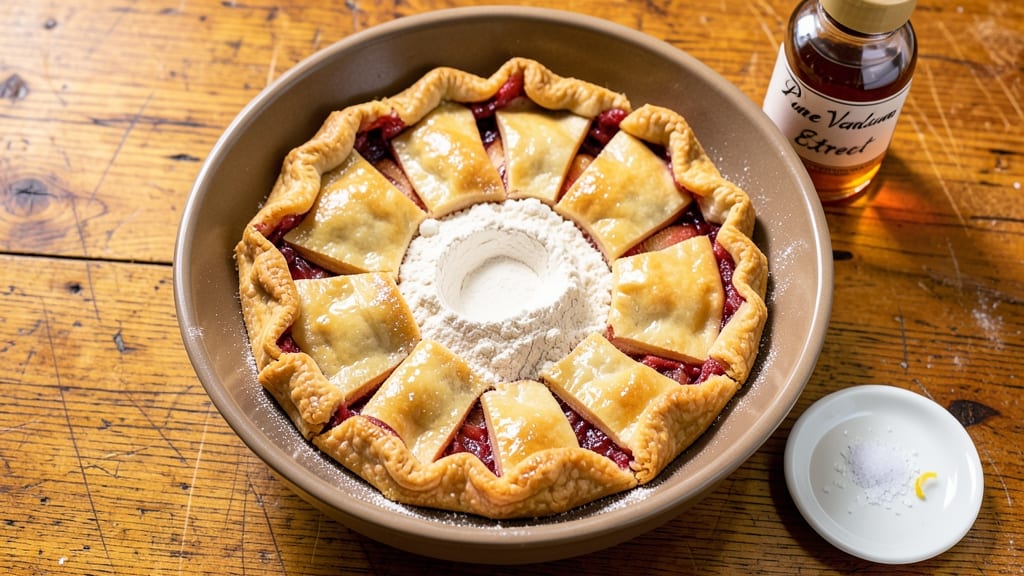
This apple pie crust recipe with margarine delivers a shatterproof, buttery crunch that holds up to any apple filling—no butter substitutes needed. The secret lies in cold margarine layers that create delicate flakes while maintaining structural integrity, even when loaded with spiced apples.
I've perfected this technique after years of testing, ensuring your crust stays crispy at the edges and tender at the base.
The margarine-based approach offers several advantages: it's more stable at higher temperatures, resists shrinking during baking, and provides that signature golden-brown color without browning too quickly. This crust handles both traditional baked pies and deep-dish variations beautifully, with a texture that's impossible to achieve with butter alone.
The key is keeping everything cold until the final moment.
What you'll achieve is a flaky, buttery crust that's sturdy enough to support heavy fruit fillings while still offering that satisfying crunch. The margarine creates clean, crisp layers that separate perfectly, and the dough remains workable even in humid kitchens.
This is the kind of crust that makes every slice of pie feel like a restaurant-quality dessert.
Whether you're making a classic apple pie or experimenting with lattice designs, this margarine crust delivers consistent results. The recipe includes blind-baking instructions for those who prefer pre-cooked shells, ensuring your filling stays perfectly moist. Let's get started on creating the perfect foundation for your apple pie.
Ingredients for apple pie crust recipe with margarine
Cold margarine and sifted flour create the perfect shatterproof apple pie crust foundation.
| Ingredient | Amount | Notes |
|---|---|---|
| All-Purpose Flour 🌾 | 3 cups | Sifted for light texture |
| Margarine 🧈 | 1 cup | Cold, unsalted, solid (like butter) |
| Granulated Sugar 🍚 | ¼ cup | For subtle sweetness |
| Salt 🧂 | 1 tsp | Diamond Crystal preferred |
| Ice Water 💧 | ½ cup | Cold, not tap |
| Vanilla Extract 🍯 | 1 tsp | Pure, not imitation |
| Lemon Zest 🍋 | 1 tsp | Freshly grated |
The margarine is non-negotiable here—Land O'Lakes or Parkay work best for that stable, golden color. Keep it rock-solid cold (freeze it 15 minutes if your kitchen is warm). The flour? King Arthur or Gold Medal are my go-tos—they handle humidity better. Sift it before mixing to avoid dense patches. For the sugar, Domino brand is fine, but if you've got raw cane sugar, it adds a subtle caramel note worth the swap.
No vanilla extract? Almond extract at half the amount gives a similar warmth, though less floral. Short on lemon zest? Orange zest works too, but the acidity shifts slightly. The ice water is crucial—tap water can melt the margarine, so use ice cubes or frozen water. For a deeper flavor, add 1 tsp cinnamon to the dry mix. If you're blind-baking, brush the crust with egg wash (1 egg + 1 tbsp water) for extra shine—just skip it if you're vegan.
Wrap the dough in plastic and refrigerate for at least 2 hours—this prevents shrinking. The margarine layers stay crispest when chilled. For long-term storage, freeze the dough between parchment sheets for up to 3 months. Thaw overnight in the fridge. If you're prepping ahead, blind-bake the crust for 15 minutes at 375°F—it'll keep for 2 days in an airtight container.
Why You'll Love This Recipe
- No-Fuss Assembly: I swear by this crust—just mix the flour, margarine, sugar, and salt, then cut in the cold butter until it’s pebbly. No food processor? No problem. A fork and your hands work just fine, and honestly? That’s where the magic happens.
- Golden Crisp Edge: That perfect balance of sugar and margarine gives it a buttery, flaky crunch that’s ridiculously satisfying. The ice water keeps it tender inside, so you get that crispy lattice or pie crust edge every time—no sad, soggy bottoms here.
- Budget-Friendly Staples: Flour, sugar, salt, and margarine? These are pantry basics that won’t break the bank. I’ve made this crust for holiday pies, potlucks, and even a last-minute dessert—it’s my go-to when I don’t want to splurge on specialty dough.
- Makes Ahead Magic: Between us, I always make extra crust and freeze it. Thaw it in the fridge overnight, and boom—ready for apple pie, hand pies, or even a savory galette. No last-minute stress, just pure convenience. (Yes, even on a Tuesday night.)
Step-by-step instructions for apple pie crust with margarine
Here's how to create a shatterproof crust with perfect flakiness—every layer matters.
Combine Dry Ingredients for Light Texture
In a large mixing bowl, whisk together the 3 cups All-Purpose Flour, 1 tsp Salt, and 0.25 cup Granulated Sugar. I use a whisk to break up any flour lumps and ensure even distribution of the sugar and salt. The sugar adds subtle sweetness while preventing the crust from becoming too flaky—just enough to complement the apples without overpowering them.
This dry mixture is the foundation of your crust. If you notice any flour clumps, press them through a fine-mesh sieve for a smoother texture. The goal is to create a uniform base that will incorporate evenly with the margarine later. Keep this bowl nearby—you'll want to work quickly to maintain the cold temperature of the margarine.
Cut in Margarine for Perfect Laminated Layers
Add the 1 cup cold Margarine (cut into 1-inch cubes) to the dry ingredients. Using a pastry cutter or two forks, cut the margarine into the flour mixture until you reach pea-sized crumbs with some flour still clinging to the larger pieces. This process is called "cutting in," and it's crucial for creating those signature flaky layers.
Work quickly but deliberately—you want to preserve the cold temperature of the margarine. If the mixture starts to look like wet sand, add 1-2 ice cubes from your 0.5 cup Ice Water reserve. The margarine should remain firm but pliable, never melting into the flour. This ensures proper layering when you roll out the dough later.
Add Wet Ingredients for Cohesive Dough
In a small bowl, combine the 0.5 cup Ice Water, 1 tsp Vanilla Extract, and 1 tsp Lemon Zest. The ice water is critical—it keeps the dough cold while providing just enough moisture to bind the ingredients. The vanilla and lemon zest add subtle depth that pairs beautifully with apple pie filling.
Gradually add the wet mixture to the flour-margarine combination, mixing gently with a fork or wooden spoon. Only add enough to bring the dough together—you should be able to form a loose ball that holds when pressed. If the dough feels too dry, add 1 tsp more ice water; if too sticky, sprinkle in 1 tbsp more flour. The dough should be cool to the touch and slightly tacky but not wet.
Chill and Rest for Maximum Flakiness
Divide the dough into two equal portions (about 1½ cups each) and flatten each into a 6-inch circle. Wrap tightly in plastic wrap and refrigerate for at least 1 hour, or up to 24 hours. This chilling step is non-negotiable—it firms up the margarine, preventing it from melting when you roll out the crust and creating those delicate, shatterproof layers.
While the dough chills, prepare your rolling surface by dusting it with flour. The cold dough will be firm, so work in stages: roll from the center outward, rotating the dough as you go. If the dough resists, let it rest for 5-10 minutes in the fridge to firm up again. The goal is to create two 12-inch circles that are about ⅛-inch thick—thin enough to crisp perfectly but thick enough to hold their shape.
Pro Tips For Making Apple Pie Crust Recipe With Margarine
- Chill the Margarine First: I learned this the hard way—room-temperature margarine gets greasy and won’t hold together. Pop it in the fridge for 15-20 minutes before cutting it into the flour, and you’ll get that perfect crumbly texture without fighting dough.
- Cut the Butter in Small Pieces: Use a pastry cutter or two knives to work the margarine into the flour, cutting it into pea-sized pieces first. This creates more surface area for the water to bind later, and the dough will come together faster without turning mushy.
- Don’t Overwork the Dough: Margarine crusts are delicate—once the flour starts to clump and the mixture holds when pressed, stop. Every extra fold or knead makes the crust tougher, and you’ll end up with a sad, dense pie shell instead of a flaky one.
- Use Ice Water Sparingly: Start with 1-2 tablespoons of ice water, then add more only if needed. Too much liquid makes the dough sticky and hard to roll, while too little leaves it dry and crumbly. The goal is just enough moisture to hold it together without overpowering the margarine.
Troubleshooting perfect results
Margarine Melting Mid-Roll
The most common issue is margarine softening while rolling. To prevent this, keep your dough chilled by working on a cold marble surface or a chilled baking sheet. If your kitchen is warm, freeze the dough for 10 minutes before rolling.
I also recommend using Land O'Lakes Classic Margarine—it stays firm longer than some store brands. If the dough still feels too soft, return it to the fridge for 15-20 minutes before continuing. 🧊
Dough Sticking to Surface
Excessive sticking happens when the dough isn't cold enough or the surface isn't properly prepared. Always dust your rolling surface with all-purpose flour or cornstarch (for extra crispiness). If the dough tears while rolling, patch it with extra flour and gently press it back together.
For stubborn sticking, try a light dusting of rice flour—it creates a smoother barrier than regular flour. Work quickly to avoid warming the dough further.
Crust Shrinking During Baking
Shrinking occurs when the dough isn't chilled long enough or the margarine melts too quickly. To fix this, double-check your chilling time—at least 2 hours in the fridge is ideal. For extra insurance, blind-bake the crust for 10 minutes at 375°F before adding filling.
If you notice the crust puffing up unevenly, it means the margarine is melting too fast. Try using less ice water in the dough or adding 1 extra tablespoon of flour to stabilize it.
Pale or Uneven Browning
A pale crust usually means the margarine didn't create enough steam during baking. To achieve that classic golden color, brush the crust with egg wash (1 egg + 1 tbsp water) before baking. For a vegan option, use 1 tbsp plant-based milk + 1 tsp oil.
If the crust browns too quickly, tent it with aluminum foil after 15 minutes to prevent over-browning. For deeper color, sprinkle granulated sugar on the edges before baking—it caramelizes beautifully.
Dough Too Dry or Crumbly
Dry dough happens when too much flour is added or the margarine isn't cold enough. If your dough feels crumbly, sprinkle 1-2 tablespoons of ice water and knead gently until just combined. Avoid overworking the dough—just mix until it holds together.
For extra moisture, add 1 teaspoon of lemon juice to the wet ingredients. If the dough cracks while rolling, let it rest for 5 minutes in the fridge to relax before continuing.
Preventing Air Bubbles
Air bubbles form when the dough isn't rolled evenly or pressed down properly. To avoid them, roll the dough from the center outward, applying even pressure with a rolling pin. After rolling, press down gently with your fingertips to smooth out any bubbles.
If you're using the crust for a double-crust pie, roll the top crust slightly thinner than the bottom to prevent puffiness. For lattice designs, roll the dough ⅛-inch thick and cut strips with a sharp knife for clean edges.
Nutrition facts
Frequently asked questions
Can I substitute butter for margarine in this recipe?
While butter would work, margarine is specifically chosen for this crust because it stays firm at higher temperatures and creates a more stable, golden-brown finish. Butter can melt too quickly, causing the crust to shrink or puff unevenly. If you must substitute, use 1 cup cold butter (cut into cubes) and chill the dough an extra 30 minutes to compensate.
Why does this crust use ice water instead of regular water?
The ice water prevents the margarine from melting during mixing, which is crucial for maintaining those delicate, flaky layers. Regular water can cause the margarine to soften too quickly, leading to a tougher crust. The cold water also helps keep the dough cool to the touch, making it easier to handle when rolling.
How do I prevent the crust from getting soggy when adding apple filling?
For a double-crust pie, blind-bake the bottom crust for 10-15 minutes at 375°F before adding filling. Brush the baked crust with a thin layer of egg wash (1 egg + 1 tbsp water) to create a barrier. If using a single crust, sprinkle 1 tablespoon of cornstarch over the filling before baking to absorb excess moisture.
Can I make this crust ahead of time?
Wrap the chilled dough tightly in plastic wrap and refrigerate for up to 24 hours or freeze it for 3 months. Thaw in the fridge overnight before rolling. For pre-baked crusts, blind-bake them and store in an airtight container at room temperature for 2 days or freeze for 2 months.
What's the best way to roll out the dough without it sticking?
Work on a lightly floured surface (or cornstarch for extra crispiness) and keep the dough chilled by rolling it in stages. If it sticks, dust with more flour and gently lift the dough rather than pressing down. For stubborn sticking, try a light layer of rice flour—it creates a smoother barrier than regular flour while preventing excessive browning.