
Desserts
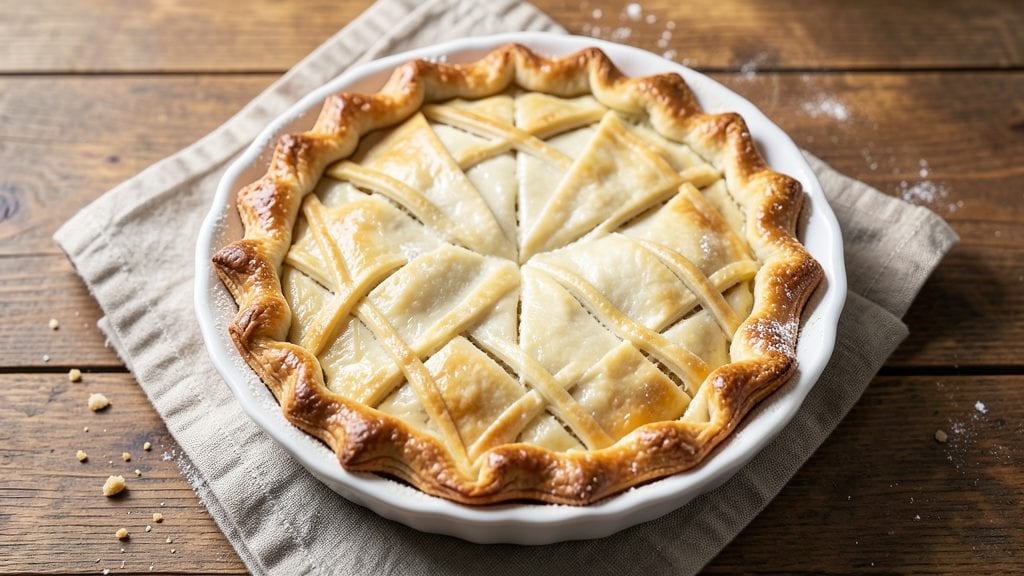
Betty Crocker’s pie pastry recipe delivers the flaky, golden layers that make homemade pies feel like a restaurant dessert—without the stress of professional techniques.
The secret lies in cold butter and precise handling, transforming simple ingredients into a crust that’s crisp enough to hold its shape yet tender enough to melt in your mouth.
I’ve perfected this method over years of pie baking, and it’s the foundation for everything from classic apple pies to modern fruit tarts.
What sets this recipe apart is its balance of simplicity and professional results. You’ll need just five key ingredients—all-purpose flour, unsalted butter, salt, ice water, and a pinch of vinegar—plus a food processor to cut the butter into the flour efficiently.
The cold butter creates steam during baking, which puffs the layers into those signature flakes, while the vinegar helps develop gluten for structure. It’s a foolproof method that works for both single-crust and double-crust pies, and the dough stays workable even in warm kitchens.
The payoff comes when you slide that golden, lattice-topped pie from the oven—crust edges just crisp enough to shatter, a tender base that doesn’t turn soggy, and layers so light they seem almost airy.
This isn’t your grandmother’s dense crust; it’s the kind that makes you pause before taking the first bite, just to admire the craftsmanship. Whether you’re baking a classic pecan pie or experimenting with a savory galette, this pastry will elevate your dessert game every time.
Ready to master the art of pie crust? The instructions break down the process step by step, from mixing to rolling and handling without tears.
Pro tips for blind-baking, patching cracks, and adapting the recipe for dietary preferences round out the method—so you’ll feel confident whether you’re a first-time baker or a seasoned pro. Let’s get started on that perfect crust.
Ingredients for betty crocker pie pastry
Five simple ingredients transform into the perfect flaky pie crust—no shortcuts needed.
| Ingredient | Amount | Notes |
|---|---|---|
| All-Purpose Flour 🌾 | 2 ½ cups | Sifted for even texture |
| Unsalted Butter 🧈 | 1 cup | Cold, cubed, not softened |
| Ice Water 💧 | ⅓ cup | Freshly chilled in freezer |
| White Vinegar 🍶 | 1 tbsp | Distilled or apple cider |
| Salt 🧂 | ½ tsp | Fine sea salt preferred |
The butter is non-negotiable here. European-style unsalted (like Plugrá) has more fat, which means more flakes, but any good-quality cold butter works. Keep those cubes frozen until you're ready to mix—no thawing. The flour? King Arthur or Gold Medal are my go-tos, but any all-purpose will do. Sift it first, though—lumps make for uneven dough. And yes, ice water matters. Tap water works, but if you're using it straight from the faucet, let it chill in the freezer for 15 minutes first. That cold water keeps the butter cold longer during mixing.
No vinegar? Lemon juice at the same amount works in a pinch, but vinegar's tang is what helps develop gluten for that perfect structure. Short on time? Pre-chill your mixing bowl and dough scraper—this keeps everything cold longer. The dough will feel dry at first, but don't panic. Add the ice water 1 tablespoon at a time until it just comes together. Overworking it kills the flakiness, so handle it gently. And if you're in a warm kitchen? Work fast—this dough doesn't like to wait. For dietary tweaks, swap butter for cold coconut oil (same amount) for a vegan version, though the flavor won't be identical.
This dough needs to rest. Wrap tightly in plastic and chill for at least 1 hour—overnight is even better. If you're prepping ahead, it keeps for 3 days in the fridge or 3 months frozen (wrap tightly in plastic wrap, then foil). Let it sit at room temp for 10 minutes before rolling to prevent cracking. And here's a pro tip: Use a bench scraper to gently lift the dough instead of stretching it—this keeps those delicate layers intact. The dough is delicate, so handle it like you're cradling a baby bird. Worth every second.
Why You'll Love This Recipe
- No-Fuss Assembly: I swear by this recipe because it’s the kind of pastry that doesn’t demand perfection—just a food processor, a few minutes of mixing, and a chilled counter. The vinegar and ice water trick keeps it tender without overworking, so even if your hands aren’t flaky-pastry-proof, the result still shines.
- Buttery Crisp Edge: That golden, shatteringly crisp rim? It’s all thanks to the cold butter and a little patience. The vinegar adds a subtle tang that balances the richness, making it taste like a bakery’s secret instead of a weeknight shortcut.
- Weeknight Workhorse: Between us, this is my go-to for pies, pot pies, or even a quick hand pie. Freeze half the dough for another night—no one will guess it’s not homemade. Honestly, I’ve used it for everything from chicken pot pies to mini fruit tarts, and it never lets me down.
- Pantry-Friendly Magic: Five ingredients, all staples. No specialty flours, no weird ratios—just flour, butter, and a splash of vinegar to bind it. If you’ve got those, you’ve got pie. And since it keeps for weeks in the freezer, it’s my budget-saver for last-minute desserts or holiday gatherings.
Step-by-step instructions for betty Crocker-style pie pastry
Here's how to create that signature flaky texture with just five simple ingredients.
Prepare the Flour and Butter Mixture
In a large mixing bowl, combine the 2.5 cups all-purpose flour and 0.5 teaspoon salt. Use your fingers to break up any lumps in the flour, ensuring an even distribution of salt throughout. This step is crucial for preventing dry spots in your pastry.
Add the 1 cup cold, cubed unsalted butter to the flour mixture. I like to use my fingers to work the butter cubes into the flour until you have a coarse crumb texture with pea-sized butter pieces scattered throughout. The butter should remain cold—this is what creates those signature flaky layers later. If your kitchen gets warm, pop the bowl in the freezer for 5 minutes to keep everything chilled.
Add Vinegar and Ice Water
Create a small well in the center of your flour-butter mixture. Pour in the 1 tablespoon white vinegar and 0.33 cup ice water. The vinegar helps tenderize the gluten, creating a more delicate pastry texture. Using a fork or pastry cutter, gently mix just until the dough begins to come together—don't overwork it.
Here's the thing—you want to keep handling to a minimum. Once the dough starts forming clumps, use your hands to bring it together into a rough ball. The dough should be slightly shaggy and cold to the touch. If it feels too sticky, sprinkle in an additional tablespoon of flour. If it's too dry, add a teaspoon of ice water. Remember, we're working with cold ingredients to maintain that flakiness.
Chill the Dough Thoroughly
Shape the dough into a disk about 1-inch thick and wrap it tightly in plastic wrap. Place it on a plate and refrigerate for at least 1 hour, or up to 24 hours if you have time. This chilling step is non-negotiable—it allows the gluten to relax and the butter to firm up, preventing the pastry from shrinking or becoming tough when baked.
While the dough chills, I like to set my oven to 375°F so it's ready to go. The cold dough will be easier to roll out after chilling, and you'll avoid that frustrating situation where the pastry gets warm and sticky before you even start. Pro tip: If you're in a hurry, you can chill the dough in the freezer for 20 minutes instead, but don't skip this step entirely.
Roll Out the Pastry
On a lightly floured surface, roll out the chilled dough to your desired pie pan size. I find it easiest to start from the center and roll outward, rotating the dough as needed. The pastry should be about 1/8-inch thick—any thicker and you risk a dense center. If the dough resists rolling, let it rest for another 10 minutes in the fridge.
Gently transfer the rolled-out pastry to your pie dish, being careful not to tear it. Trim the edges with a sharp knife, leaving about 1/2-inch overhang for crimping later. The key here is to work quickly but gently—warm dough stretches and tears easily. If you make a small tear, don't panic. Just patch it with a bit of extra dough and press gently to seal.
Blind-Bake for Perfect Texture
Preheat your oven to 375°F. Line the pastry shell with parchment paper and fill it with pie weights or dried beans. Bake for 15 minutes until the edges begin to set. Remove the weights and bake for another 5-7 minutes until the bottom is lightly golden. This pre-baking step prevents a soggy bottom when you add your filling later.
Let the baked crust cool for 10 minutes before adding your filling. The residual heat will help cook the filling evenly without making the crust soggy. Here's where that flaky texture really shines—the layers of butter have rendered just enough to create crisp, delicate flakes while maintaining structure. If you're making a double-crust pie, repeat the process with the top crust after adding your filling.
Pro Tips For Making Betty Crocker Pie Pastry
- Chill the Butter First: Take the unsalted butter out of the fridge 10 minutes before mixing—it should soften just enough to press into flour but not melt. I learned this the hard way after ending up with greasy, crumbly dough that wouldn’t hold together. Cold butter = flaky layers; warm butter = sad pie crust.
- Cut Butter in Small Pieces: Use a pastry cutter or two forks to break the butter into pea-sized chunks before mixing. Larger pieces melt unevenly, and you’ll end up with dense dough instead of light, airy layers. This isn’t the prettiest method, but it’s the tastiest—trust the process.
- Handle the Dough Gently: Once the dough comes together, resist the urge to knead it. Just press it into a disc, wrap it in plastic, and refrigerate. Overworking the dough develops gluten, which makes the crust tough. I skip this when I’m impatient, but the dish is noticeably better when I don’t.
- Add Vinegar Last: Mix the ice water and white vinegar separately, then drizzle it over the flour-butter mixture after combining those two. The vinegar helps bind the dough, but adding it too early can make the dough sticky and hard to handle. A splash of vinegar makes all the difference—just don’t overdo it.
Best sauces and condiments for this betty crocker pie pastry
Classic Fruit Fillings
This pastry shines with apple-cinnamon or peach-lavender fillings. For apples, I simmer 6 cups peeled, sliced apples with ½ cup brown sugar, 2 tbsp lemon juice, and 1 tsp cinnamon for 15 minutes.
The vinegar in the crust cuts through the sweetness beautifully. For peaches, add 1 tbsp dried lavender buds during cooking and strain before filling. 🍏
Creamy Custard Pairings
Rich custard fillings like pumpkin or chocolate need a sturdy crust. For pumpkin pie, I use 2 cups canned pumpkin, 1 cup heavy cream, 3 eggs, and ¾ cup maple syrup.
The vinegar in the crust balances the sweetness while preventing a soggy bottom. For chocolate cream pie, replace pumpkin with 1½ cups melted dark chocolate and ½ cup sour cream in the custard. 🍫
Savory Galette Twists
Transform this crust into a savory galette with caramelized onion or spinach-artichoke fillings. For onions, caramelize 3 cups thinly sliced onions with 2 tbsp butter and 1 tsp thyme until golden. Add ½ cup Gruyère cheese before baking.
For spinach-artichoke, mix 4 cups chopped spinach, 1 cup chopped artichoke hearts, and 1 cup ricotta. The vinegar in the crust enhances the umami flavors. 🧀
Sweet Condiment Toppings
Elevate your pie with vanilla ice cream or caramel sauce. I recommend Breyers vanilla or Häagen-Dazs for a creamy contrast. For caramel, use ½ cup heavy cream and ½ cup brown sugar simmered until thickened.
Drizzle over warm pies just before serving—the vinegar in the crust makes the caramel cling perfectly. 🍦
Herbal Glaze Finishes
Brighten your pie with a honey-thyme glaze or citrus zest drizzle. For honey-thyme, mix ¼ cup honey with 1 tbsp fresh thyme leaves and brush on the baked crust.
For citrus, whisk 2 tbsp orange zest with 1 tbsp powdered sugar and sprinkle over berry pies. The vinegar in the crust amplifies the herbal and citrus notes. ✨
Spiced Whipped Cream
Whipped cream is a must with fruit pies. I fold in 1 tsp cinnamon and ½ tsp cardamom for warmth, or 1 tbsp lime zest for brightness. The vinegar in the crust helps balance these spices, creating a harmonious finish.
Use Cool Whip for convenience or heavy cream whipped with powdered sugar for a lighter texture. 🌸
Nutrition facts
Frequently asked questions
Can I use this pastry recipe for savory pies like quiche?
This recipe works perfectly for quiches and savory galettes. The vinegar helps balance rich fillings like cheese and eggs, while the flaky layers add texture. Just add 1 extra tablespoon of flour if using for quiche to prevent shrinkage with wet fillings.
Why does my pie crust turn out tough instead of flaky?
Overworking the dough or using warm butter are the most common culprits. Keep everything cold—even your mixing bowl—and handle the dough minimally. The butter should stay in pea-sized pieces throughout mixing. If the dough feels too sticky, add just 1 tablespoon of flour at a time.
How do I fix a cracked crust before baking?
Patch small cracks with extra dough and press gently to seal. For larger tears, dampen the edges with water and press together. If cracks appear after baking, brush with egg wash before adding filling—it creates a barrier against moisture. Pro tip: Always pre-bake for 5 minutes before adding fillings to prevent sogginess.
Can I make this pastry without a food processor?
Yes! Use a pastry cutter or two forks to cut cold butter into flour until pea-sized pieces remain. Work quickly to keep ingredients cold—this method takes 5-7 minutes of careful cutting. The texture will be slightly less uniform but still delicious.
How long can I keep unused dough?
Wrap tightly in plastic and refrigerate for up to 3 days, or freeze for 3 months. Thaw in the fridge overnight before using. For best results, let dough sit at room temperature for 10 minutes before rolling to prevent cracking.