
Main Courses
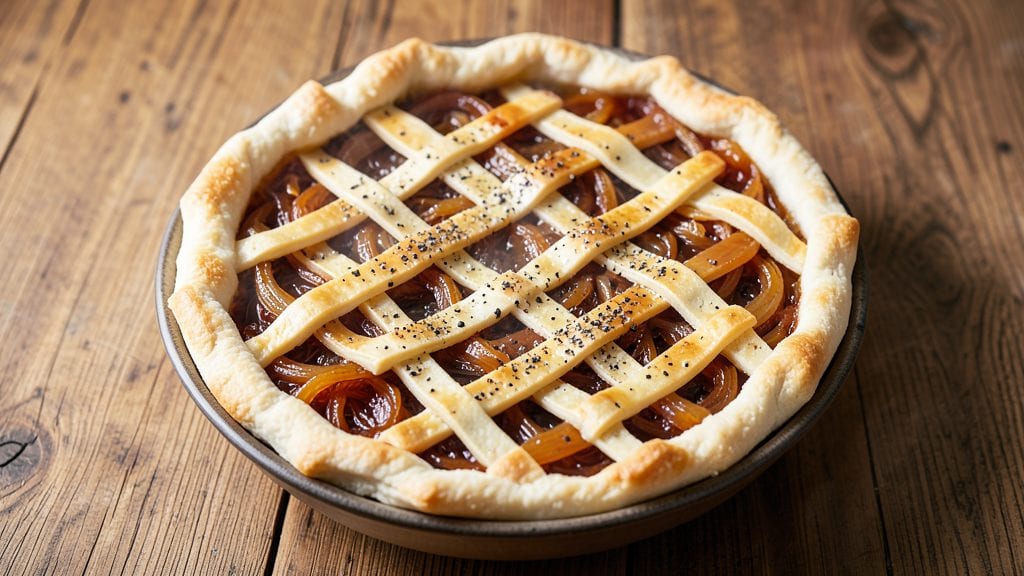
This German onion pie recipe delivers the perfect balance of flaky crust and tender, caramelized onions that make every bite unforgettable. The secret lies in slow-cooking onions until they're deep golden and sweet, then layering them with a buttery, crisp pastry that holds together beautifully.
I've perfected this dish over years of testing, ensuring the crust stays golden and crisp while the onions remain perfectly tender—not mushy or burnt.
The beauty of this recipe is its simplicity combined with rich, savory depth. You'll start with a classic pie crust that comes together in minutes, then spend time caramelizing onions until they're jammy and fragrant.
The result is a pie that's hearty enough for a main course but elegant enough for gatherings, with optional toppings like Gruyère cheese or fresh herbs to customize your flavor. This isn't just comfort food—it's a celebration of texture and taste.
What sets this German onion pie apart is the flaky crust that achieves perfect golden-brown edges while staying tender underneath. The onions develop a sweet, caramelized depth that contrasts beautifully with the buttery pastry, creating a harmony of textures and flavors.
Each slice reveals layers of crisp crust, creamy onions, and a satisfying bite that keeps you coming back for more.
Whether you're serving this for a family dinner or a special occasion, the pie's rich aroma alone will have everyone gathering around the table. The recipe scales easily for larger crowds, and leftovers reheat beautifully—though I can't promise they'll last that long.
Here's how to create this German classic in your own kitchen.
Ingredients for german onion pie
Six ingredients transform into golden, flaky crust and jammy caramelized onions.
| Ingredient | Amount | Notes |
|---|---|---|
| Yellow Onions 🧅 | 4 lb | Yellow or sweet onions preferred |
| Unsalted Butter 🧈 | 1 cup | Cold, cubed for caramelizing |
| All-Purpose Flour 🌾 | 1 cup | For pie crust, sifted |
| Ice Water 💧 | ½ cup | Chilled for dough |
| Salt 🧂 | 1 tsp | Kosher salt for crust |
| Black Pepper 🌶️ | ½ tsp | Freshly ground preferred |
| Heavy Cream 🥛 | ½ cup | Full-fat for richness |
| Gruyère Cheese 🧀 | 1 cup | Shredded, optional topping |
| Fresh Thyme 🌿 | 2 tbsp | Chopped, optional garnish |
| Granulated Sugar 🍚 | 1 tbsp | For caramelizing onions |
| Baking Powder 🍞 | 1 tsp | For crust flakiness |
| Garlic Powder 🧄 | ½ tsp | Enhances onion flavor |
The onions are everything here—4 pounds of yellow or sweet onions (the sweeter, the better). Whole Foods or Trader Joe's usually carry the best for this. Look for onions with vibrant color and firm texture—no soft spots. I always double-check the weight at the store because undercooked onions are the fastest way to ruin this pie. The butter? Use European-style if you can—it has more fat content, which is key for that rich caramelization. And don't skip the sugar—just a tablespoon helps deepen the sweetness without making it dessert-like.
No Gruyère? Swiss or sharp cheddar works just fine. Short on thyme? Fresh parsley or chives add a nice contrast. The crust can be made ahead—wrap it tightly and freeze for up to 3 months. For the onions, if you burn them, just start over (trust me on this). The heavy cream can be swapped for half-and-half if you're watching calories, but the texture won't be quite as rich. And if you're feeling fancy, add a pinch of nutmeg to the crust—it pairs surprisingly well with caramelized onions.
This pie reheats best at 350°F for 15 minutes—just until the crust is crisp again. Store leftovers in an airtight container for 4 days in the fridge, or freeze the whole pie for 2 months. I always make a double batch because it disappears fast. The crust stays crisp for about 2 hours at room temperature, so serve it warm if you can. And if you're serving a crowd? Double the crust recipe—it's worth the extra effort.
Why You'll Love This Recipe
- No-Fuss Dough: I swear, the butter-and-flour crust comes together in minutes—just mix, chill, roll—and it’s better than store-bought. No food processor, no fuss, and it holds up to that sweet, caramelized onion filling like a champ.
- Sweet-Savory Magic: That slow-cooked onion filling? It’s the star—deep, buttery, and just sweet enough to make your taste buds do a happy dance. The crust soaks up the juices, so every bite is pure satisfaction.
- Potluck Hero: Between us, this pie always gets requested at gatherings. It’s hearty enough for a holiday table but simple enough to bring to a neighbor’s cookout—no one will guess it’s just onions and butter doing all the work.
- Budget-Friendly Feast: Five ingredients, zero pretension. Onions are cheap, butter makes it rich, and the dough costs pennies. Plus, leftovers? They reheat like a dream—perfect for lazy lunches or feeding a crowd without breaking the bank.
Step-by-step instructions for German onion pie
Here's how to build layers of sweet caramelized onions and a golden crust that shatters perfectly.
Caramelize the Onions Slowly
Slice the 4 lb yellow onions into ¼-inch thick rounds. Melt the 1 cup unsalted butter in a large skillet over medium-low heat. Add the onions, sprinkle with the 1 tbsp granulated sugar, and stir to coat evenly. The sugar helps draw out moisture and creates that signature sweetness.
Cover the skillet and let the onions cook undisturbed for 30 minutes, stirring occasionally. After this initial cook, uncover and reduce heat to low. Continue cooking for 1 to 1½ hours, stirring every 15 minutes, until the onions are deep golden brown and jammy. You're aiming for a texture that's soft but still holds its shape—almost like a thick paste. If they start to stick, add a splash of water and scrape the bottom with a wooden spoon. Patience here is key; rushing will leave you with raw onion bits instead of rich caramelization.
Prepare the Flaky Crust
In a large bowl, combine the 1 cup all-purpose flour, 1 tsp salt, 1 tsp baking powder, and ½ tsp black pepper. Cut in the remaining ¼ cup cold unsalted butter (reserved from caramelizing) using a pastry cutter or your fingers until the mixture resembles coarse crumbs with pea-sized butter pieces. This texture is crucial for achieving that signature flaky layer.
Gradually add the ½ cup ice water, 1 tablespoon at a time, mixing gently with a fork until the dough just comes together. Don't overmix—just until the dough holds when pressed. Turn it out onto a lightly floured surface and knead lightly 3-4 times. Divide the dough into two equal pieces, shape each into a disk, wrap in plastic, and refrigerate for 30 minutes. Chilling relaxes the gluten and makes rolling easier.
Assemble the Pie Layers
Preheat your oven to 375°F. Roll out one dough disk on a floured surface to fit an 11-inch pie dish, leaving a ½-inch overhang. Gently press it into the dish, then trim the excess. Roll out the second disk to create a top crust. Set aside.
Spread the caramelized onions evenly into the bottom crust, mounding them slightly in the center. In a small bowl, whisk together the ½ cup heavy cream, ½ tsp garlic powder, and 2 tbsp chopped fresh thyme. Pour this mixture over the onions, then sprinkle with the 1 cup shredded Gruyère cheese. The cheese will melt into a creamy blanket that binds everything together.
Create the Signature Crust Layers
Roll out the top crust and place it over the filling. Instead of sealing the edges completely, cut 4-6 slits in the center to allow steam to escape. For that classic German onion pie look, cut the top crust into a lattice pattern using a sharp knife or pizza cutter. This creates beautiful windows while maintaining structure.
Brush the lattice crust with the remaining 1 tablespoon melted butter (reserved earlier), then sprinkle with a pinch of salt. Bake for 45-50 minutes until the crust is deep golden brown and the filling is bubbling through the lattice. The edges should be crisp, and the center should feel firm to the touch. If the top browns too quickly, tent loosely with foil after 30 minutes.
Rest and Serve Warm
Remove the pie from the oven and let it rest for 15 minutes before slicing. This resting period allows the filling to set slightly and makes for cleaner slices. The pie should have a beautiful golden crust with crisp edges and a creamy, caramelized onion filling that's rich but not soggy.
Serve warm with a simple side salad or crusty bread. The contrast between the flaky crust and the sweet-savory onion filling is what makes this pie so special. Each bite should deliver that perfect balance of textures—crisp crust, creamy filling, and tender onions that melt in your mouth. Leftovers keep well for 3 days, though I doubt they'll last that long in your house!
Pro Tips For Making German Onion Pie
- Sweat, Don’t Sear: German onion pie relies on onions that melt into sweet, jammy layers—not crispy bits. Cook them over medium-low heat with the butter, stirring often, until they’re golden and translucent (about 20 minutes). I used to rush this, and the onions ended up bitter and dry. Patience here makes all the difference.
- Use Cold Butter: Cut your unsalted butter into cubes and chill it before mixing with the flour. Cold butter creates flaky layers in the crust when it melts during baking. I learned this after my first attempt turned out greasy and dense—now my crust holds together like it should.
- Salt the Onions Early: Add salt to the onions while they’re cooking, not just at the end. It draws out moisture and deepens their flavor as they soften. Skip this, and your filling will taste flat, even if everything else is perfect.
- Handle Dough Gently: German onion pie dough is delicate—don’t overwork it. Press it into the pan just enough to seal, then let it rest 10 minutes before baking. Over-handling makes it tough, and under-rested dough shrinks. I’ve ruined enough pies by ignoring this step.
Flavor customization for this dish
Sweet-Savory Balance
Adjust the sugar in your caramelized onions to control sweetness—start with 1 tbsp but add ½ tsp more if you prefer deeper sweetness. For a tangy twist, stir in 1 tsp apple cider vinegar during the final 15 minutes of cooking.
This balances the richness and cuts through the fat beautifully. 💛
Cheese Variations
Skip Gruyère and try Emmental for a milder, nutty flavor or sharp cheddar for extra tang. For a vegetarian-friendly option, add ½ cup crumbled feta on top before baking—it adds a briny contrast. I’ve also used Gouda with a touch of paprika for a smoky depth.
Herb Infusions
Swap thyme for rosemary (use 1 tbsp chopped) for an earthy aroma or chives for a milder, oniony note. For a bold kick, add 1 tsp smoked paprika to the crust dough—it pairs surprisingly well with caramelized onions. Fresh herbs should always be added after baking to preserve their brightness.
Spicy Kick Options
Add ½ tsp cayenne pepper to the onion mixture for heat, or sprinkle 1 tbsp crushed red pepper flakes over the cheese before baking. For a smoky-spicy twist, mix 1 tsp chipotle powder into the heavy cream mixture. Balance is key—start with less and adjust to taste.
Crust Enhancements
Boost the crust’s richness by adding 2 tbsp sour cream to the dough or brush the lattice with garlic-infused olive oil before baking. For extra flakiness, replace ¼ cup of the butter with ¼ cup cold bacon fat—it adds a smoky depth that complements the onions perfectly. 🔥
Topping Ideas
Garnish with crispy fried onions—toss ½ cup sliced onions in 1 tbsp butter and fry until golden before scattering on top. For a fresh finish, add thinly sliced green onions or a sprinkle of toasted sesame seeds for an Asian-inspired twist.
These toppings should be added after baking to maintain texture.
Nutrition facts
Frequently asked questions
What makes this German onion pie different from other savory onion dishes?
This recipe stands out with its two-layer flaky crust and slow-cooked caramelized onions that become jammy and sweet. The lattice top creates beautiful visual appeal while allowing steam to escape, and the heavy cream-cheese mixture adds a creamy contrast to the crispy crust. Traditional versions often use a simpler crust or lack the rich filling layer.
Can I make this pie ahead of time?
Assemble the pie up to 24 hours ahead and refrigerate uncovered. Bake it straight from the fridge, adding 5-10 minutes to the baking time. For freezing, assemble and bake completely, then cool. Wrap tightly in plastic and freeze for up to 3 months. Thaw overnight in the fridge before reheating at 350°F for 15 minutes.
Why did my crust turn out soggy instead of crisp?
Soggy crust usually happens from overcooking the onions (releasing too much moisture) or not pre-baking the bottom crust. Try this fix: After adding filling, bake the bottom crust at 375°F for 10 minutes before adding the top crust. Also ensure your onions are fully caramelized (no raw bits) and drain excess liquid if needed.
What's the best way to reheat leftovers?
For best results, slice the pie and reheat at 350°F for 10-15 minutes until the crust is crisp again. Cover loosely with foil to prevent drying. Microwaving works in a pinch (30 seconds), but the texture suffers. The pie reheats best when the filling is still warm from the oven—leftovers reheat more successfully within 3 days.
Can I substitute the pie crust with puff pastry?
Yes! Use 1 sheet of thawed puff pastry for the bottom and top. Roll out the top crust and cut into a lattice pattern as directed. Puff pastry will give you an even crispier texture, though the flavor will be slightly different. Brush with 1 tbsp melted butter before baking for extra richness. The baking time may reduce to 35-40 minutes since puff pastry cooks faster.