
Desserts
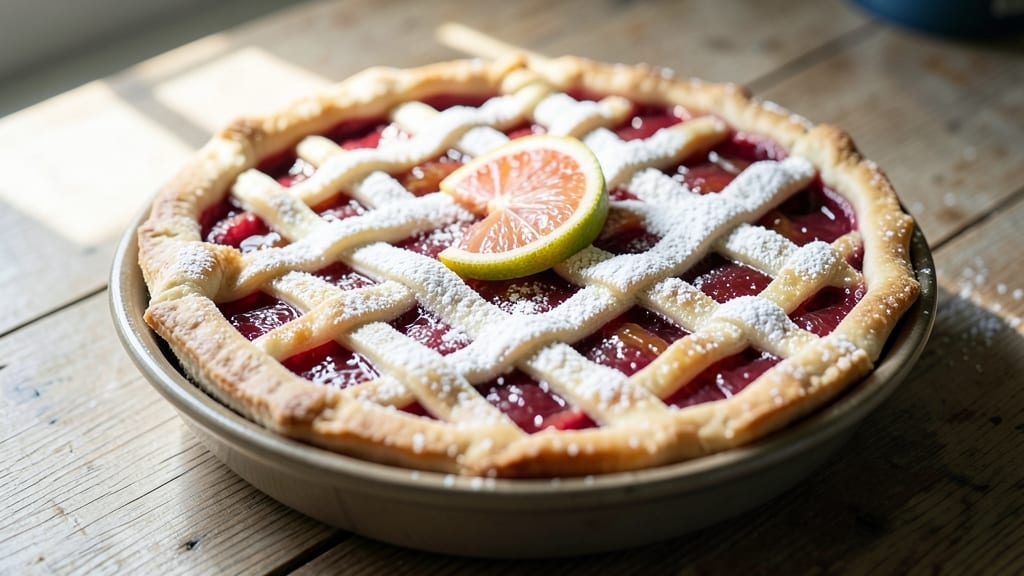
This grapefruit pie recipe delivers a perfect balance of tart citrus and sweet spice that transforms a simple dessert into a showstopper. The secret lies in reducing grapefruit juice with sugar until it thickens into a glossy, vibrant filling that bursts with flavor in every bite.
I've perfected this technique over years of baking, ensuring the crust stays crisp while the filling remains perfectly set—not too runny, not too stiff.
The filling starts with fresh grapefruit juice, carefully reduced with sugar and cornstarch to create a thick, jewel-toned mixture that caramelizes beautifully during baking. A touch of vanilla and a pinch of cinnamon deepen the flavor without overpowering the bright citrus notes.
The crust, whether homemade or store-bought, forms a sturdy base that holds up to the tangy filling while adding a buttery contrast.
What you'll end up with is a pie that looks as stunning as it tastes—golden crust, glossy filling, and a texture that's creamy yet firm.
The aroma alone will have everyone gathering in the kitchen, and the first slice reveals layers of sweet-tart grapefruit with just the right amount of spice. This is the kind of dessert that feels both elegant and approachable, perfect for brunch or holiday gatherings.
Ready in just under an hour, this recipe delivers restaurant-quality results with minimal effort. The key is patience during the juice reduction and careful baking to avoid a soggy crust. Serve it warm with whipped cream or chilled with a dollop of yogurt for the ultimate citrus dessert experience.
Ingredients for grapefruit pie
Eight simple ingredients transform into a showstopping pie with vibrant filling and perfect crust.
| Ingredient | Amount | Notes |
|---|---|---|
| Fresh Grapefruit Juice 🍊 | 2 cups | From 4-6 medium grapefruits |
| Granulated Sugar 🍚 | 1 ½ cups | White or light brown |
| Cornstarch 🌾 | ¼ cup | For perfect thickening |
| Pure Vanilla Extract 🌿 | 1 tbsp | High-quality preferred |
| Ground Cinnamon 🍃 | ½ tsp | Freshly ground if possible |
| Salt 🧂 | ¼ tsp | Fine sea salt |
| Unsalted Butter 🧈 | ½ cup | Cold, cubed for crust |
| All-Purpose Flour 🌾 | 1 ¼ cups | Plus 1 tbsp for rolling |
| Ice Water 💧 | ¼ cup | For dough binding |
| Large Egg 🥚 | 1 whole | For egg wash |
| Whole Milk 🥛 | 1 tbsp | For brushing crust |
| Store-Bought Pie Crust 🥧 | 1 package | For time-saving option |
Grapefruit juice is the star—pick Ruby Red or Pink varieties for the best balance of sweet and tart. Freshly squeezed is ideal, but quality bottled juice works in a pinch (look for no added sugar). The sugar amount might need adjusting based on tartness—taste as you reduce! For the crust, Pillsbury refrigerated dough saves time, but homemade is worth the effort. If making from scratch, use very cold butter for flaky layers. The cornstarch is non-negotiable—it gives that perfect set without graininess.
No fresh grapefruit juice? Bottled juice with no additives works, but reduce it longer. Short on vanilla? Vanilla bean paste adds speckles and extra flavor. The crust can be all-butter or shortbread—just make sure it's sturdy enough for that tangy filling. For a gluten-free option, swap flour for a 1:1 GF blend. The cinnamon can be omitted if you prefer pure grapefruit flavor, but I always add it—it rounds out the tartness beautifully. And if you're feeling fancy, add a pinch of cardamom for depth.
The filling keeps 3 days in the fridge once baked, but honestly tastes even better the next day. For make-ahead magic, assemble the pie uncooked and refrigerate overnight—the flavors meld perfectly. The crust stays crisp for 2 days if stored properly, so slice it just before serving. Freeze the whole pie (without crust) for up to 3 months—thaw overnight in the fridge before baking. Serve warm with whipped cream or chilled with a dollop of Greek yogurt for that restaurant touch.
Why You'll Love This Recipe
- No Pectin Needed: I swear by this trick—just a splash of fresh grapefruit juice and a sprinkle of cornstarch, and you’ve got that perfect, wobble-free filling. No fancy thickeners or overcomplicated steps here.
- Citrus-Zest Magic: That bright, tangy grapefruit juice paired with just a whisper of cinnamon and vanilla? It’s like sunshine in a pie crust. Honestly, the first bite makes me reach for seconds without thinking.
- Weekend Brunch Star: This pie shines at breakfast tables—slice it with yogurt and a drizzle of honey, or serve it warm with coffee. (Yes, even on a Tuesday morning when I’m running late.)
- Budget Bright Spot: Grapefruit juice is cheaper than you’d expect, and you’re using the whole fruit—not just the segments. Plus, one pie feeds a crowd, so it stretches my grocery budget without sacrificing flavor.
Step-by-step instructions for grapefruit pie
Here's how to create a vibrant citrus filling that balances sweet and tart perfectly.
Make the Grapefruit Filling
In a medium saucepan, combine the 2 cups fresh grapefruit juice, 1.5 cups granulated sugar, 0.25 cup cornstarch, 1 tablespoon pure vanilla extract, 0.5 teaspoon ground cinnamon, and 0.25 teaspoon salt. Stir vigorously until the sugar and cornstarch dissolve completely—this prevents lumps that can ruin your silky texture.
Place the saucepan over medium heat and bring to a gentle boil, stirring constantly with a wooden spoon. You'll see the mixture thicken noticeably as it cooks. Once it reaches a rolling boil, reduce the heat to medium-low and let it simmer for 5-6 minutes until it thickens to a pudding-like consistency. It should coat the back of a spoon smoothly without being gluey.
Remove from heat and immediately stir in the 0.5 cup unsalted butter, cubed. Let it cool slightly—this step ensures your filling stays glossy and rich, not greasy. Transfer to a bowl and cover with plastic wrap pressed directly on the surface to prevent a skin from forming. Chill completely for at least 2 hours or overnight.
Prepare the Crust and Pre-Bake
Unroll the store-bought pie crust onto a lightly floured surface and gently press it into a 9-inch pie dish, letting the edges extend about 1 inch over the rim. Trim the excess crust, leaving a ½-inch overhang. Prick the bottom with a fork to prevent puffing during baking.
Preheat your oven to 375°F. Line the crust with parchment paper, then fill it with pie weights or dried beans. Bake for 15 minutes until the edges are lightly golden. Remove the weights and bake for another 5 minutes until the bottom is lightly browned. This pre-baking creates a sturdy base that won't sog under the juicy filling.
Assemble and Bake the Pie
Pour the chilled grapefruit filling into the pre-baked crust, spreading it evenly to within ¼ inch of the edges. This prevents overflow during baking. Brush the overhanging crust edges with the 1 tablespoon whole milk mixed with a little water to create a seal.
Roll out the second pie crust and place it over the filling. Trim and crimp the edges with a fork or your fingers to create a decorative pattern. Cut 4-5 slits in the top crust to allow steam to escape. Brush the top crust with the remaining egg wash (1 whole large egg beaten with 1 tablespoon water) for a golden finish.
Bake at 375°F for 40-45 minutes until the crust is deep golden brown and the filling is bubbling through the slits. The edges should be crisp but not burnt. Let the pie cool completely on a wire rack before slicing—this allows the filling to set properly and prevents a runny mess.
Serve with Confidence
Once cooled, your pie should have a vibrant citrus color and a filling that's thick but still slightly wobbly in the center. The crust should be flaky and crisp, not soggy. Serve slices at room temperature with a dollop of whipped cream or a scoop of vanilla ice cream to balance the tartness.
This pie keeps well in the refrigerator for up to 5 days, though I find it's best enjoyed within 2 days. The flavors deepen as it sits, but the texture remains perfect. Store any leftovers covered tightly to maintain freshness.
Pro Tips For Making Grapefruit Pie
- Strain Twice, Strain Right: That cloudy grapefruit juice? It’ll turn your pie filling murky. After juicing, pour through a fine-mesh strainer, then a cheesecloth-lined sieve—no pulp, no regrets. (I learned this after serving a pie that looked like it had been blended with a brick.)
- Whisk Cornstarch Cold: Mix your cornstarch and sugar before adding to the hot juice, or you’ll end up with lumps that turn your filling into glue. Whisk it dry first in a small bowl, then pour into the juice while stirring like your life depends on it.
- Skip the Boil Rush: Simmer the filling gently—a rolling boil will cook off the grapefruit’s bright flavor faster than you can say “overcooked.” Keep it at a steady simmer (tiny bubbles, occasional swirls) until it thickens to pudding consistency. Patience here means tangy, not sad.
- Toast the Cinnamon: Warm your cinnamon in a dry pan for 30 seconds until fragrant—it deepens the flavor without overpowering. Let it cool, then sprinkle into the filling. (Yes, it’s an extra step, but your pie will taste like it came from a bakery, not a box.)
Troubleshooting perfect results
Filling Too Thin?
If your filling looks too runny after baking, you likely didn't reduce it long enough. The key is simmering until it reaches a pudding-like consistency—about 5-6 minutes on medium-low heat. I recommend using a candy thermometer to check: the filling should reach 235-240°F for perfect thickness.
If it's still too thin after baking, try adding 1 tablespoon cornstarch mixed with 1 tablespoon cold water, then simmer for another 2-3 minutes. 🌡️
Crust Getting Soggy?
A soggy crust usually means the filling wasn't thick enough or the crust wasn't pre-baked properly. Always pre-bake the bottom crust for 15-20 minutes with pie weights to create a sturdy base.
For extra insurance, brush the bottom crust with a light egg wash before adding the filling. If you're using a homemade crust, make sure it's fully chilled before baking to prevent shrinking.
Filling Too Tart?
If your pie tastes overly tart, you likely used grapefruit that was too sour or didn't balance the sugar properly. Adjust the sugar to 1.75 cups next time and taste as you reduce—it should taste pleasantly sweet before baking.
For a more balanced flavor, add 1 teaspoon honey to the filling while it's cooling. Ruby Red grapefruits tend to be sweeter than Pink varieties, so choose accordingly. 🍯
Cracks in the Top Crust?
Cracks happen when the top crust shrinks too much during baking. To prevent this, don't overfill the pie—leave ¼ inch of space at the edges. Also, chill the top crust for 15 minutes before placing it on the pie, and vent it well with 4-5 slits.
If cracks appear, simply brush them with egg wash and bake for another 5-10 minutes to set the filling.
Filling Not Setting Properly?
If the filling stays too soft even after cooling, your cornstarch-to-sugar ratio might be off. The ideal ratio is 1 part cornstarch to 6 parts sugar—adjust accordingly. Another trick is to whisk the filling vigorously while it's hot to prevent lumps.
For extra stability, add 1 teaspoon lemon juice to the filling before baking—it helps firm up the texture. Let the pie cool completely before slicing to allow the filling to set fully.
Burnt Edges?
Burnt edges usually mean the oven was too hot or the crust wasn't sealed properly. Bake at 375°F and cover the edges with a strip of foil if they brown too quickly.
For a foolproof seal, brush the overhanging crust edges with milk or egg wash before adding the top crust. If the edges still burn, reduce the oven temperature to 350°F for the final 10-15 minutes of baking. 🔥
Nutrition facts
Frequently asked questions
Can I use bottled grapefruit juice instead of fresh?
Yes, but choose a high-quality brand with no added sugar or preservatives. Bottled juice works in a pinch, though fresh juice delivers brighter flavor. If using bottled, reduce the juice for 5-7 minutes longer since it's often more diluted. For best results, strain it through a fine-mesh sieve to remove any pulp or seeds that could make your filling grainy.
How do I prevent the crust from shrinking during baking?
Chill both crusts for 30 minutes before assembly and avoid overfilling the pie—leave ¼ inch of space at the edges. Roll out the top crust slightly larger than the pie to ensure full coverage. For extra stability, brush the bottom crust with a thin layer of egg wash before adding the filling, then seal the edges with a fork or by pinching them together.
Can I make this pie ahead of time?
This pie actually tastes better the next day. Assemble the pie uncooked, wrap it tightly in plastic, and refrigerate overnight. Bake it straight from the fridge (no need to thaw) at 375°F for 50-55 minutes. The filling will set more firmly, and the flavors will meld beautifully. Store leftovers in the fridge for up to 5 days or freeze the filling (without crust) for 3 months.
What's the best way to serve grapefruit pie?
Serve it at room temperature with a dollop of whipped cream or a scoop of vanilla ice cream to balance the tartness. For a lighter option, try Greek yogurt or a sprinkle of toasted coconut flakes. The pie also pairs beautifully with a cup of black coffee or Earl Grey tea to enhance the citrus flavors. If serving at a brunch, add fresh mint leaves as a garnish for a refreshing touch.
Why does my filling turn out grainy?
Graininess usually means lumps formed during cooking. To fix this, whisk the cornstarch and sugar together thoroughly before adding to the juice. Also, avoid boiling the mixture vigorously—keep it at a gentle simmer. If lumps still appear, strain the hot filling through a fine-mesh sieve before chilling. For extra smoothness, add 1 tablespoon lemon juice to the filling while it cools.