
Main Courses
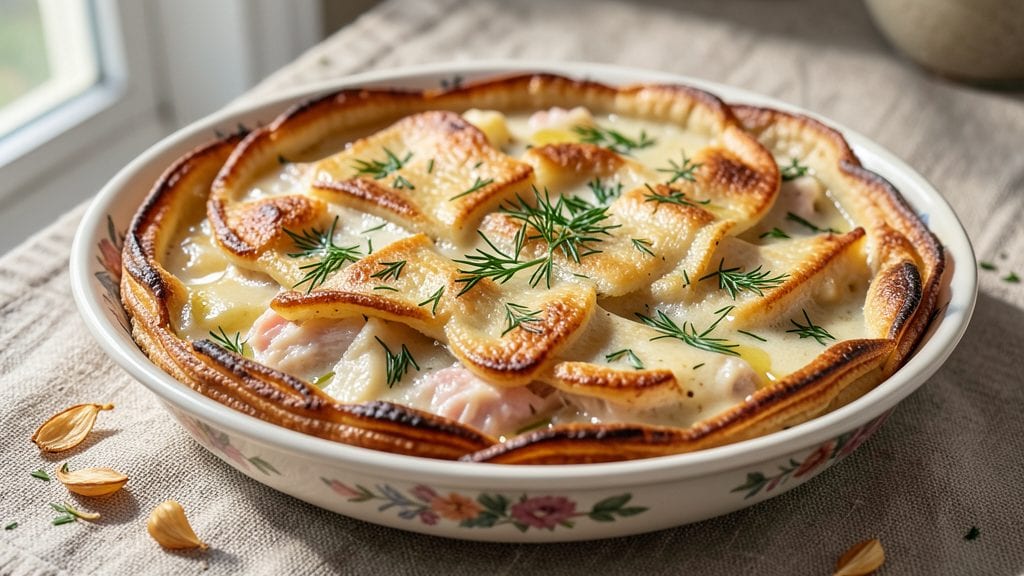
Ina Garten’s fish pie recipe delivers the ultimate comfort food experience—crispy golden potato topping that shatters over a velvety, flavorful fish filling. This dish is the perfect blend of homestyle warmth and refined technique, with layers that create both texture and depth.
The secret lies in her method of cooking the fish just until tender, then combining it with a creamy sauce that’s rich without being heavy.
What sets this recipe apart is the balance of flavors and textures: the crispy potato crust contrasts beautifully with the silky fish filling, while the herby cream sauce ties everything together.
Garten’s approachable yet precise method ensures the pie bakes evenly, with a top that’s perfectly golden and a center that stays moist. The result? A dish that feels like a hug from your favorite chef.
This fish pie is ideal for family dinners, holiday gatherings, or even a cozy weeknight treat—it’s hearty enough to satisfy a crowd but simple enough to make on a regular basis.
The layering technique is straightforward, and the ingredients are easy to find, making it accessible without sacrificing elegance. Once you try this version, you’ll understand why it’s a classic.
Serve it with a crisp green salad or steamed vegetables to balance the richness, and don’t forget a glass of chilled white wine. The crispy top is the star, but the filling—packed with tender fish, herbs, and a velvety sauce—is what makes this dish unforgettable. Let’s get cooking!
Ingredients for ina garten fish pie
Six ingredients create the crispy top, while twelve build the silky filling—all for Ina Garten’s signature comfort.
| Ingredient | Amount | Notes |
|---|---|---|
| Russet Potatoes 🥔 | 2 ½ lb | Peeled, thinly sliced for even baking |
| Heavy Cream 🥛 | 1 cup | Full-fat for optimal richness |
| Whole Milk 🥛 | ½ cup | For creaminess without heaviness |
| White Wine 🍷 | ½ cup | Dry, like Sauvignon Blanc |
| Fresh Dill 🌿 | ¼ cup | Chopped, stems removed |
| Fresh Parsley 🌿 | ¼ cup | Chopped, for brightness |
| White Fish Fillets 🐟 | 1 ½ lb | Cod or haddock preferred |
| Unsalted Butter 🧈 | ½ cup | Melted for sauce base |
| All-Purpose Flour 🌾 | 2 tbsp | For thickening sauce |
| Lemon Juice 🍋 | 2 tbsp | Freshly squeezed |
| Garlic Cloves 🧄 | 4 cloves | Minced for aromatic depth |
| Shallots 🧅 | 2 whole | Minced, for subtle sweetness |
| Salt 🧂 | 1 ½ tsp | Kosher or sea salt |
| Black Pepper 🌶️ | ½ tsp | Freshly ground for warmth |
| Eggs 🥚 | 2 whole | Beaten for binding crust |
The potatoes are non-negotiable for that signature crispy top. Russets are ideal—their starch content ensures a shatteringly golden crust. Grab the premium organic variety at Whole Foods if you want to splurge, but standard supermarket Russets work perfectly fine. Thinly slice them with a mandoline for even baking—thickness matters here. Peeled or unpeeled? Both work, but peeled gives a cleaner look. Store potatoes in a cool, dark place until ready to slice, and avoid refrigerating them until the day of baking to preserve texture.
No white wine? Fish or vegetable stock works in a pinch, though the acidity will differ slightly. Fresh herbs are ideal, but dried dill and parsley at one-third the amount will get you close. For the fish, cod or haddock are classic choices, but pollock or tilapia work well too. The key is to use fresh, high-quality fillets—look for bright, translucent flesh with minimal fishy odor. If you can’t find fresh, frozen fillets thawed overnight are a solid alternative. The butter should be unsalted to control the seasoning, and the flour must be all-purpose—none of that cake flour nonsense.
This pie reheats beautifully—350°F for 20 minutes restores that crispy top. Store leftovers in an airtight container for up to 3 days in the fridge, though it’s best enjoyed fresh. For make-ahead prep, assemble the pie and refrigerate uncooked for up to 24 hours before baking. The filling can be prepped a day ahead and kept in the fridge until ready to layer. Freeze portions for up to 3 months if you’re planning ahead, but note that the potato topping may lose some crispiness after freezing.
Why You'll Love This Recipe
- One-Pot Magic: I swear by this recipe because it’s actually one-pan friendly—peel and slice those Russets, boil them, mash them right in the pot with the cream and wine, then layer the fish. No extra dishes, no stress. Just dump, bake, and done.
- Creamy Wine Kiss: That splash of white wine in the sauce? It’s the secret weapon—brightens the whole dish without tasting like cooking wine. Pair it with fresh dill, and suddenly, your fish pie tastes like a fancy bistro, not a weeknight hack.
- Leftovers for Days: Between us, this pie begs for seconds, and the leftovers? Even better. The next day, the potatoes soak up all the creamy goodness, and the crust stays crispy. I’ve reheated mine three times with zero complaints.
- Budget-Friendly Luxury: You’d think a dish this rich would break the bank, but Russets and white fish are cheap staples. Heavy cream makes it feel indulgent, but honestly? It’s the kind of meal that makes you feel like you’re treating yourself without the grocery bill screaming.
Step-by-step instructions for Ina Garten fish pie
Here's the method for creating a golden crust and velvety fish filling that stays together perfectly.
Prepare the Potato Crust
Preheat your oven to 375°F. Peel the 2.5 lb russet potatoes and slice them paper-thin using a mandoline or sharp knife. The slices should be uniform—about ⅛-inch thick—so they bake evenly. Spread the potato slices on two baking sheets lined with parchment paper, overlapping slightly like shingles. Brush each layer lightly with 2 tablespoons lemon juice to prevent browning.
Bake for 20-25 minutes until the slices are tender when pierced with a fork. Real talk: don't skip this step—undercooked potatoes will make your crust soggy. Remove from the oven and let cool for 5 minutes. This cooling step is crucial; it prevents the crust from steaming and becoming limp when you assemble the pie.
Create the Silky Fish Filling
In a large skillet, melt 0.5 cup unsalted butter over medium heat. Add the 2 minced shallots and 4 minced garlic cloves, cooking for 2-3 minutes until fragrant but not browned. Pour in the 0.5 cup white wine and let it simmer for 3-4 minutes until reduced by half. This step builds the foundation for your sauce—don't rush it.
Add the 1.5 lb white fish fillets, breaking them into 1-inch chunks. Cook for 3-4 minutes until the fish is just opaque. Remove from heat and stir in the 1 cup heavy cream, 0.5 cup whole milk, 0.25 cup chopped fresh dill, 0.25 cup chopped fresh parsley, 1.5 tsp salt, and 0.5 tsp black pepper. The mixture should look rich and inviting—this is where the magic happens.
Assemble the Pie
Transfer the fish mixture to a 9x13-inch baking dish. Arrange half of the baked potato slices in a single layer over the fish, overlapping slightly. This creates a sturdy base that won't fall apart. Be generous with the overlap—you want a solid foundation for the top layer.
In a bowl, beat the 2 whole eggs lightly with a fork. Pour this egg wash evenly over the potato layer. Then, place the remaining potato slices on top in another overlapping layer, pressing gently to seal any gaps. The egg wash ensures the crust stays crispy and golden. Here's the thing—don't press too hard or you'll crush the delicate potato slices.
Bake to Golden Perfection
Return the pie to the oven and bake for 30-35 minutes until the top is deep golden brown and the filling is bubbling at the edges. The crust should look crisp and inviting—this is your signal that it's ready. If the top browns too quickly, tent it loosely with foil for the last 10 minutes of baking to prevent over-browning.
Remove from the oven and let rest for 10 minutes before serving. This resting period allows the filling to set slightly, making it easier to slice. The contrast of the crispy potato crust and silky fish filling is what makes this dish truly special. Serve with a simple green salad or steamed vegetables to balance the richness.
Pro Tips For Making Ina Garten Fish Pie
- Boil Potatoes Until Fork-Tender: I learned this the hard way—undercooked potatoes turn to mush under the pie’s weight. Boil Russets until they’re so soft a fork glides through them like butter, not just barely firm. (Yes, even if it means an extra 5 minutes.) This keeps the crust from collapsing when baked.
- Whisk Cream Cold: Warm cream separates like a bad breakup. Chill your heavy cream and whole milk in the fridge for at least 30 minutes before mixing with wine and dill—it’ll thicken properly and won’t curdle when you bake it. Trust me, you’ll taste the difference.
- Don’t Skip the Wine Reduction: That splash of white wine isn’t just for flavor—reduce it by half first. It deepens the sauce’s richness and cuts the acidity, so the dill shines instead of fighting for attention. (Save the leftover wine for your next hangover.)
- Bake Covered, Then Uncovered: Start the pie under foil for 20 minutes to melt the cheese and set the filling, then uncover for the last 10 minutes. This guarantees a golden crust without a soggy bottom—no more sad, limp tops or a brick of a pie. (Your oven’s fan isn’t your enemy here.)
Regional styles of ina garten fish pie
British Pub Classic
In the UK, fish pie takes on a heartier, more robust character—think of it as the British cousin to Ina’s version. The filling often includes a mix of white fish and shrimp, combined with a béchamel sauce made with butter, flour, and milk for extra richness.
I’ve seen pub recipes call for cheddar cheese mixed into the sauce, giving it a sharp contrast to the creamy texture. The potato topping is typically thicker and more rustic, sometimes even including a layer of mashed potatoes beneath the sliced ones for extra stability. 🥧
New England Clam Style
Up in New England, the fish pie gets a coastal twist with chopped clams or chopped clam juice replacing some of the white wine in the sauce. The filling often includes lobster or scallops for added luxury, and the dish is seasoned with Old Bay for that signature Maryland-inspired flavor.
I love how the briny clam notes cut through the creaminess, making it feel fresh and oceanic. The potato topping remains crispy, but the filling is lighter, almost like a clam chowder baked into a pie.
Scottish Smoked Salmon
Scotland takes the fish pie to new heights with smoked salmon as the star ingredient. The filling is often enriched with smoked haddock and a splash of Scottish whisky in the sauce, adding depth and warmth.
The potato topping might include a sprinkle of crumbled black pudding or cheddar for a smoky, savory kick. I’ve made this version and it’s a game-changer—the smoky aroma alone makes it feel like a celebration dish. The crust stays crisp, but the filling is impossibly rich and aromatic. 🏴
French Bouillabaisse Twist
In France, the bouillabaisse-inspired fish pie swaps the potato crust for a crème fraîche or hollandaise sauce on top, drizzled over the fish filling. The filling itself is a medley of white fish, mussels, and shrimp, simmered in a tomato-based broth with saffron, fennel, and orange zest.
The dish is finished with a sprinkle of fresh tarragon and parsley. It’s lighter than Ina’s version but equally elegant—perfect for a summer dinner with a crisp Sancerre on the side. The texture contrast is stunning: creamy sauce, tender fish, and a delicate, herby finish.
Southern U.S. Cajun Style
Down South, the fish pie gets a Cajun kick with Andouille sausage, bell peppers, and celery mixed into the filling. The sauce is often thickened with roux and spiced with Cajun seasoning, giving it a deep, smoky flavor.
The potato topping might include a layer of cornbread crumbs for extra crunch. I’ve seen versions where the fish is blackened before being folded into the sauce, adding a crispy texture contrast.
This version is bold, spicy, and perfect for feeding a crowd—especially if you serve it with a cool, spicy remoulade on the side. 🌶️
Nutrition facts
Frequently asked questions
Can I make this fish pie ahead of time?
Assemble the pie completely (including the potato topping) and refrigerate it uncovered for 24 hours before baking. This helps the flavors meld beautifully. For make-ahead prep, you can even prepare the filling a day ahead and store it in the fridge until ready to layer. Just bake straight from the fridge at 375°F for 5-10 extra minutes to account for the cold start.
What's the best fish to use besides cod or haddock?
Any mild, white fish works well—try pollock, tilapia, or even halibut for a richer flavor. Avoid strong-tasting fish like salmon or tuna. For extra luxury, mix in shrimp or scallops with your white fish. The key is to cook the fish just until opaque (3-4 minutes) so it stays tender in the creamy sauce.
Why did my potato topping get soggy?
This usually happens if the potato slices weren't fully baked before assembling or if the filling was too wet. Make sure to bake the potatoes until fork-tender (20-25 minutes) and let them cool completely before layering. Also, avoid overmixing the filling—just stir until combined to prevent excess moisture. For extra insurance, sprinkle a pinch of salt between potato layers to help absorb any liquid.
Can I substitute the white wine in the sauce?
Yes! Use fish stock or vegetable stock in equal amounts, though the flavor will be slightly less complex. For a non-alcoholic option, try lemon juice or apple cider vinegar (start with 1 tablespoon and adjust to taste). The acidity helps balance the richness of the cream sauce. If using stock, reduce it by half before adding the fish.
How do I reheat leftovers without drying out the crust?
Reheat at 350°F for 20-25 minutes covered with foil, then uncover for the last 5 minutes to crisp the top. For a quicker option, use the microwave: cover with a damp paper towel and heat in 30-second intervals until warmed through. The foil method preserves the crispy texture best, while the microwave keeps things convenient.