
Desserts
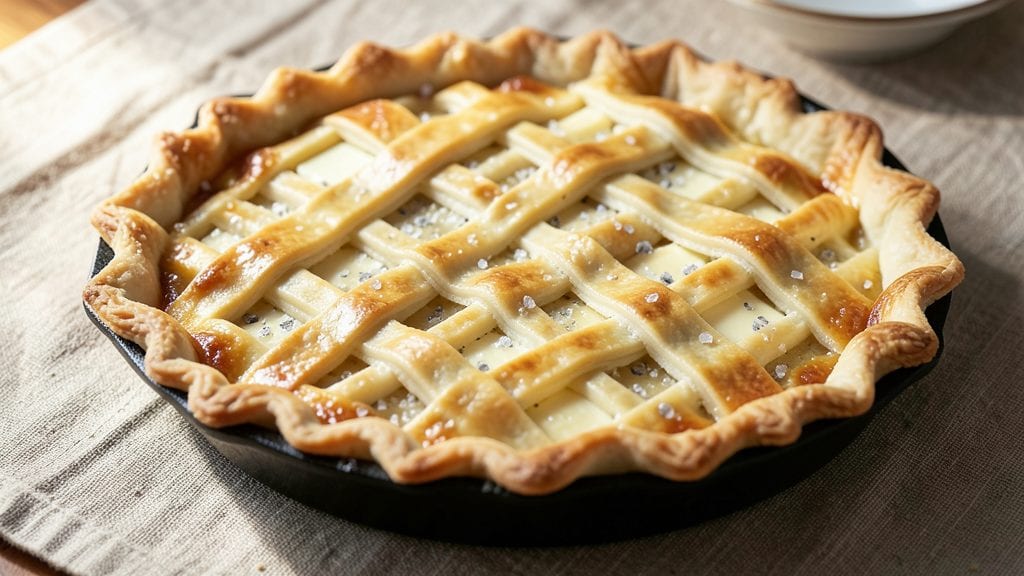
Joanna Gaines' pie crust recipe delivers the kind of flaky, golden layers that make every slice feel like a homecoming. The secret lies in cold butter and precise technique—no shortcuts, just a foolproof method that transforms simple ingredients into something extraordinary.
I’ve perfected this version after years of baking, and it never fails to impress.
What sets this crust apart is the cold butter method, where chilled fat creates delicate pockets of air as it bakes. You’ll work with just four key ingredients—flour, salt, cold butter, and ice water—mixed and chilled to develop the perfect texture.
The process is straightforward, but the results are restaurant-quality, with a crisp yet tender finish.
By the time you’re done, you’ll have a pie crust so flaky and buttery that even the most skeptical bakers will be hooked. The lattice variations and deep-dish adaptations make it versatile enough for any pie, from classic apple to rich pecan.
This is the kind of crust that turns an ordinary dessert into something special.
Ready to master the art of pie crust? Let’s get started with Joanna’s signature technique—your kitchen will smell like home before the first slice is even served. The best part? You’ll never go back to store-bought again.
Ingredients for joanna gaines pie crust
Four essential ingredients transform into Joanna Gaines' signature flaky, golden pie crust layers.
| Ingredient | Amount | Notes |
|---|---|---|
| All-Purpose Flour 🌾 | 2 ½ cups | Sifted for even texture |
| Unsalted Butter 🧈 | 1 cup | Cold, cubed, high-fat (80%+) |
| Diamond Crystal Kosher Salt 🧂 | ½ tsp | Fine grain preferred |
| Ice Water 💧 | ⅓ cup | Freshly chilled, not tap |
The butter is non-negotiable—European-style or high-fat unsalted creates the most delicate layers. Plugrá or Land O'Lakes work well, but avoid margarine or low-fat versions. Chill the butter cubes for at least 30 minutes before handling, and keep your work surface icy cold. The flour should be all-purpose, sifted—King Arthur or Gold Medal brands are ideal for consistent results. Never skip sifting; it prevents dense pockets. For the salt, Diamond Crystal dissolves more evenly than table salt, enhancing flavor without overpowering.
No ice water? Cold water from the fridge works in a pinch, but true ice water prevents gluten development. Running short on butter? Vegetable shortening can replace up to half the amount, though texture will differ slightly. Substituting salt? Morton kosher salt at half the amount is fine, but taste as you go. The flour is the only truly non-negotiable ingredient—cake flour creates a softer crust, but all-purpose delivers the classic Joanna Gaines texture. For gluten-free adaptations, King Arthur GF blend works well when combined with xanthan gum.
Store dough between parchment-lined sheets in the fridge for up to 48 hours—this enhances flavor development. For longer storage, wrap tightly in plastic and freeze for up to 3 months. Thaw overnight in the fridge before rolling. Pre-rolled dough sheets can be baked directly from frozen, though they'll need an extra 5 minutes. The secret to perfect handling? Keep everything cold. Warm dough sticks and shrinks. Use a pastry cutter or two forks to mix—this prevents overworking the gluten, which kills flakiness.
Why You'll Love This Recipe
- Fewer Tools, Same Magic: I swear by this crust—just flour, butter, salt, and ice water. No food processor, no fuss. My hands and a fork do all the work, and honestly? The result is flaky perfection every time.
- Butter Love: That cold, cubed butter mixed into the flour? It melts into little pockets of pure richness when baked. The kind of buttery, golden crust that makes you want to eat the whole thing before the filling even gets a turn.
- Pie Party Any Day: This crust handles everything—sweet, savory, you name it. Pumpkin pie? Check. Chicken pot pie? Done. Even a quiche. Between us, I’ve made it for holidays, weeknight dinners, and even a last-minute dessert when friends dropped by.
- Budget-Friendly Flakes: Four ingredients, zero shortcuts. The butter stays cold, the flour stays cheap, and the salt? Just a pinch. No pricey add-ins, no waste—just reliable, delicious crust that doesn’t break the bank. (And leftovers? Freeze them. Seriously.)
Step-by-step instructions for Joanna Gaines' pie crust recipe
A foolproof method for achieving restaurant-quality flaky layers with minimal effort.
Prepare the Cold Butter and Flour Mixture
Cut the 1 cup unsalted butter into ¼-inch cubes and place them in the freezer for 10 minutes to ensure they remain cold. This is crucial for achieving flaky layers—cold butter creates steam pockets when baked, which separate the dough layers.
In a large mixing bowl, combine the 2.5 cups all-purpose flour and ½ teaspoon diamond crystal kosher salt. Use your fingers to break up any flour clumps, ensuring an even distribution. The flour should be sifted for optimal texture, but if you haven't sifted it, simply whisk it in the bowl to aerate it slightly. This step prevents a dense, heavy crust.
Cut in the Butter Using the Pastry Blender
Remove the cold butter cubes from the freezer and add them to the flour mixture. Using a pastry blender or two forks, cut the butter into the flour until the mixture resembles coarse crumbs with pea-sized butter pieces visible. This texture is essential—it ensures the butter remains intact during rolling and baking, creating those signature flaky layers.
Work quickly but deliberately. If the butter begins to soften, return the bowl to the refrigerator for 5 minutes to reset the temperature. Overworking the dough or allowing the butter to melt will result in a tough, rather than flaky, crust. The goal is to maintain as much butter as possible in its solid form.
Gradually Add Ice Water for the Perfect Dough
Measure out the ⅓ cup ice water and pour it into a small pitcher or liquid measuring cup. Sprinkle the water 1 tablespoon at a time over the flour-butter mixture, gently stirring with a fork or wooden spoon after each addition. The dough should begin to come together but should not be sticky or wet.
Once the dough forms a shaggy mass, use your hands to gently bring it together. Avoid overmixing—just combine until the dough holds when pressed. If it feels too dry, add 1 more teaspoon of ice water; if it feels too sticky, add 1 tablespoon of flour. The dough should be cool to the touch and slightly tacky but not wet. This balance is key to achieving the right texture.
Chill the Dough for Optimal Handling
Divide the dough into two equal discs, flatten them slightly, and wrap each tightly in plastic wrap. Place the discs in the refrigerator for at least 1 hour, or up to 24 hours. Chilling relaxes the gluten and firms up the butter, making it easier to roll out without tearing. This step also prevents the crust from shrinking during baking.
For best results, let the dough rest on a wire rack or directly on the refrigerator shelf. Avoid stacking the discs on top of each other, as this can cause them to stick together. If you're short on time, the dough can be frozen for up to 2 months—just thaw it in the refrigerator overnight before rolling.
Roll and Transfer for a Perfect Crust
On a lightly floured surface, roll one disc of chilled dough into a 12-inch circle, about ⅛-inch thick. The dough should be kept as cold as possible during this process—if it feels too soft, return it to the refrigerator for 10 minutes. Use a rolling pin to gently press down, rotating the dough occasionally to maintain even thickness.
Carefully transfer the rolled dough to a 9-inch pie dish, trimming any excess dough that hangs over the edge. Gently press the dough into the dish, ensuring it adheres to the bottom and sides without tearing. This step is where precision meets patience—take your time to create an even, smooth base. The crust should be taut but not stretched, as this prevents shrinking during baking.
Pro Tips For Making Joanna Gaines Pie Crust
- Cut Butter Cold: Pull your unsalted butter straight from the fridge—no thawing, no softening. Joanna Gaines’ recipe relies on cold butter for flaky layers, and room-temperature butter is the fast track to a tough, greasy mess. Cut it into ½-inch cubes and keep it chilled until the dough comes together.
- Measure Salt Precisely: Diamond Crystal kosher salt is not the same as table salt—don’t eyeball it. The recipe counts on its coarser texture, so use the exact ½ teaspoon called for. Too much salt ruins the balance; too little makes the crust taste bland. Weigh it out if you’re unsure.
- Handle Dough Gently: Overworking the dough turns it into a sad, dense brick. Mix just until the flour is barely incorporated—no need for a smooth ball. Press it into the pan with your fingers, not a rolling pin, to keep the texture tender. Rough edges? That’s normal.
- Rest Before Rolling: Let the dough sit, covered, for 30 minutes after mixing. This relaxes the gluten, making it easier to roll out without cracking. Skip this, and you’ll fight sticky, sticky dough that resists shaping—trust me, I’ve been there. Cold countertop helps too.
Flavor customization for this recipe
Buttery vs. Crispy
For a richer, more decadent crust, replace ½ cup of the butter with ½ cup browned butter—simmer ½ cup butter until golden and nutty (about 5 minutes), then cool completely before mixing. This adds a caramelized depth that pairs perfectly with apple or berry pies. 🧈
Want extra crispiness? Roll the dough ⅛-inch thick—butter-side up on a parchment-lined tray, prick all over with a fork, and bake at 375°F for 15 minutes before adding filling. This pre-baking creates a shatteringly crisp base that holds up to juicy fillings like cherry or peach.
Herb-Infused Variations
Add 1 tablespoon fresh rosemary or thyme—finely chop and mix into the flour before cutting in the butter. This works beautifully with savory pies like spinach and ricotta or ham and cheese. The herbs infuse the butter during chilling, creating an aromatic crust that elevates the filling.
For a citrus twist, mix 1 teaspoon lemon or orange zest into the flour. This brightens the crust and pairs wonderfully with lemon meringue or key lime pies. The zest dissolves slightly during baking, infusing the crust with a subtle, refreshing tang.
Sweet Enhancements
Swap 1 tablespoon of the flour for 1 tablespoon granulated sugar to create a slightly sweeter, more tender crust. This is ideal for pecan or sweet potato pies, where the crust needs to complement—not compete with—the rich filling. The sugar also helps create a golden-brown finish.
For a cinnamon-spiced crust, add 1 teaspoon ground cinnamon and ¼ teaspoon nutmeg to the flour mixture. This works like magic with apple or pumpkin pies, adding warmth that harmonizes with the filling. A pinch of cardamom can also be folded in for a sophisticated twist.
Gluten-Free Adaptation
Replace the all-purpose flour with a 1:1 gluten-free baking flour blend—I recommend King Arthur Measure for Measure. Add ½ teaspoon xanthan gum to the dry ingredients to mimic gluten’s binding properties. Chill the dough 30 minutes longer than usual, as gluten-free doughs are more delicate.
For extra structure, use ½ cup almond flour in place of ½ cup all-purpose flour. The almond flour adds a subtle nutty flavor and improves the crust’s ability to hold its shape, especially in deep-dish pies. Keep the dough colder than usual during rolling to prevent sticking.
Nutrition facts
Frequently asked questions
Can I use this pie crust recipe for savory pies?
This crust works perfectly for savory pies like spinach and ricotta or ham and cheese. The buttery richness complements rich fillings beautifully. For extra flavor, try adding 1 tablespoon fresh rosemary or thyme to the flour before cutting in the butter.
Why does my crust turn out tough instead of flaky?
Overworking the dough or using warm butter are the most common culprits. Keep everything cold—including your rolling surface—and handle the dough minimally. The butter should remain in pea-sized pieces when mixed with flour. If the dough feels too soft, chill it for 10-15 minutes before rolling.
How do I prevent the crust from shrinking in the oven?
Prevent shrinking by keeping the dough cold during rolling and pressing it gently into the pie dish without stretching. For extra insurance, blind-bake the crust at 375°F for 10 minutes before adding filling. This sets the crust before the filling releases moisture during baking.
Can I make this crust ahead of time?
Yes! Wrap the dough discs tightly in plastic and refrigerate for up to 48 hours or freeze for up to 3 months. Thaw in the fridge overnight before rolling. Pre-rolled crusts can also be frozen on a tray, then transferred to a bag—just bake from frozen with an extra 5 minutes in the oven.
What's the secret to Joanna Gaines' signature flaky texture?
The magic lies in cold butter and minimal handling. High-fat butter (80%+) creates steam pockets when baked, while keeping the dough cold prevents gluten from developing. The ice water also helps maintain structure without overhydrating. Chilling the dough before rolling is non-negotiable—it relaxes the gluten and firms up the butter.