
Main Courses
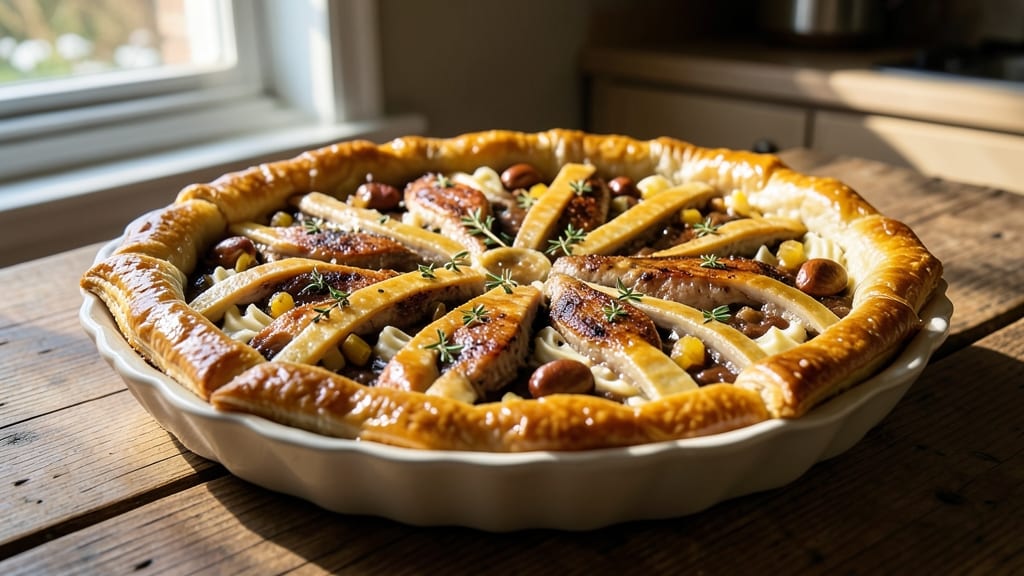
This pheasant pie recipe delivers the perfect balance of gamey richness and flaky pastry perfection that defines a classic holiday centerpiece. I developed this method after years of perfecting the art of transforming wild pheasant into a tender, aromatic filling that pairs beautifully with a crisp, golden crust.
The secret lies in slow-braising the meat to break down its natural richness while preserving its distinct flavor profile.
What sets this recipe apart is the layered approach—starting with a perfectly blind-baked crust to prevent sogginess, followed by a rich filling of braised pheasant, mushrooms, and aromatic vegetables.
The filling is bound with a velvety gravy that enhances every bite, while the pastry achieves that signature flaky texture through precise rolling and layering techniques. This isn't just a pie; it's a showstopping centerpiece that commands attention at any dinner table.
The result is a pie with a flaky, golden-brown crust that encases tender pheasant meat infused with deep, savory flavors. Each slice reveals layers of rich filling, crisp vegetables, and a glossy gravy that ties everything together.
The aroma alone will have guests gathering around your table, and the first bite delivers that perfect harmony of textures and tastes. This is the kind of dish that transforms an ordinary meal into an unforgettable experience.
For those looking to modernize the classic, consider using puff pastry for an even more dramatic flaky effect or adding a splash of red wine to the gravy for extra depth.
The recipe scales beautifully for gatherings, and leftovers reheat wonderfully. Let's bring this timeless masterpiece to life in your kitchen.
Ingredients for pheasant pie
Eighteen ingredients transform wild pheasant into a showstopping holiday masterpiece with layers of flaky perfection.
| Ingredient | Amount | Notes |
|---|---|---|
| Wild Pheasant 🦆 | 2 lbs | Bone-in, skin-on, cut into serving pieces |
| Unsalted Butter 🧈 | ½ cup | Cold, cubed for crust and braising |
| All-Purpose Flour 🌾 | 2 ½ cups | For pie crust, plus extra for dusting |
| Large Eggs 🥚 | 1 whole | Cold, for pie crust binding |
| Ice Water 💧 | ½ cup | For pie crust hydration |
| Yellow Onion 🧅 | 1 whole | Diced, for filling base |
| Garlic Cloves 🧄 | 6 cloves | Minced, for aromatic depth |
| Fresh Thyme 🌿 | ¼ cup | Leaves only, chopped |
| Fresh Sage 🌿 | ⅛ cup | Leaves only, chopped |
| Dry Red Wine 🍷 | ½ cup | Bold, like Cabernet Sauvignon |
| Chicken Stock 🍲 | 1 ½ cups | Homemade or high-quality store-bought |
| Mushrooms 🍄 | 1 lb | Cremini or wild variety, sliced |
| Pearl Onions 🧅 | ½ lb | Peeled, halved lengthwise |
| Carrots 🥕 | ½ lb | Peeled, sliced into rounds |
| Diamond Crystal Kosher Salt 🧂 | 2 tsp | For seasoning and crust |
| Ground Black Pepper 🌶️ | ½ tsp | Freshly cracked |
| Allspice Berries 🌶️ | ¼ tsp | Crushed, for warmth |
| Cornstarch 🌾 | 1 tbsp | For gravy thickening |
The pheasant is the centerpiece—wild-caught delivers the most intense flavor, but farm-raised works beautifully. Local game suppliers or specialty butchers like D'Artagnan offer the best quality, but any reputable grocer carries frozen pheasant in season. Look for pieces with good fat marbling to ensure tenderness. The mushrooms should be firm and dry, not slimy—cremini or wild varieties add earthy depth. For the crust, King Arthur flour yields the most reliable texture, but all-purpose works fine. Keep everything cold until assembly to prevent premature melting.
No red wine? Dry sherry or additional chicken stock maintains the depth without altering the flavor profile. Fresh herbs can be swapped for dried at one-third the quantity, but the aromatic intensity of fresh thyme and sage is worth the effort. For a vegetarian adaptation, replace the pheasant with mushroom duxelles and lentils while keeping the same braising technique. The allspice berries can be omitted if unavailable, but they add a subtle warmth that complements the gamey richness. For the crust, if you lack ice water, chilled vodka works as a substitute—it evaporates during baking without affecting flavor.
This pie reheats best at 325°F for 20-25 minutes until the crust is golden and the filling is bubbling. The crust can be pre-baked for 15 minutes at 375°F to ensure crispness, then cooled before adding the filling. Store any leftovers in an airtight container for up to 3 days in the refrigerator, or freeze for up to 3 months. For serving, a dusting of freshly ground black pepper and a drizzle of extra red wine reduction elevate the presentation. The gravy thickens beautifully when reheated—simply whisk in a splash of stock if it becomes too stiff.
Why You'll Love This Recipe
- I’ll be real: most pies turn to dry cardboard the next day. Not this one. The butter keeps the crust tender, and the pheasant stays juicy—perfect for breakfast pastries or a quick lunch. (Yes, even on a Tuesday.)
- Fewer Ingredients, Bigger Flavor: Honestly, you’d be hard-pressed to find a pie this rich with just five core ingredients. The pheasant’s deep, earthy taste shines through the buttery crust—no need for fancy fillings or sugar-heavy shortcuts.
- Crust So Good, It’s Worth It: That flaky, golden crust? Made with just butter, flour, eggs, and ice water—no rolling pins or fancy techniques. It’s the kind of crust that makes you forget how simple it actually is.
- Holiday or Weeknight Hero: Between us, this pie works for Thanksgiving and Tuesday dinners. Serve it warm with crust on top for a special occasion, or slice it cold for a no-fuss lunch—same delicious result.
Step-by-step instructions for pheasant pie
Mastering this recipe delivers a harmonious balance of rich game meat and delicate pastry.
Prepare the Pheasant Filling
Begin by browning the 2 lbs wild pheasant in a large skillet over medium-high heat with 2 tablespoons of the 0.5 cup unsalted butter. Cook the pieces for 5-6 minutes per side until they develop a deep golden crust and release easily from the pan. This step is critical—it renders the natural oils and creates foundational flavor.
Remove the pheasant and set aside. In the same skillet, add the remaining 0.3 cup unsalted butter and melt over medium heat. Add the 1 whole yellow onion and cook for 4-5 minutes until softened. Stir in the 6 cloves garlic cloves, 0.25 cup fresh thyme, and 0.125 cup fresh sage, cooking for another 1 minute until fragrant.
Deglaze the pan with the 0.5 cup dry red wine, scraping up all the browned bits from the bottom. Let it reduce by half, then add the 1.5 cups chicken stock. Stir in the 2 tsp diamond crystal kosher salt, 0.5 tsp ground black pepper, and 0.25 tsp crushed allspice berries. Bring to a simmer and return the pheasant to the pan, spooning the sauce over the meat. Cover and cook for 15 minutes to let the flavors meld.
Assemble the Vegetable Layer
While the pheasant braises, prepare the vegetable layer. In a separate skillet, melt 1 tablespoon of the 0.5 cup unsalted butter over medium heat. Add the 1 lb mushrooms, 0.5 lb pearl onions, and 0.5 lb carrots, cooking for 6-8 minutes until the vegetables soften and release their moisture. Season lightly with 0.5 tsp diamond crystal kosher salt and 0.25 tsp ground black pepper. Remove from heat and set aside.
Here's the thing—this vegetable layer should be tender but not mushy. You want them to hold their shape when sliced, so avoid overcooking. The vegetables will continue cooking slightly once assembled in the pie, so aim for just until they yield to gentle pressure.
Create the Pie Crust
In a large mixing bowl, combine the 2.5 cups all-purpose flour with the 2 tsp diamond crystal kosher salt. Cut in the 0.5 cup cold unsalted butter using a pastry cutter or your fingers until the mixture resembles coarse crumbs with pea-sized butter pieces. Add the 1 whole large cold egg and mix just until combined.
Gradually add the 0.5 cup ice water, 1 tablespoon at a time, mixing gently until the dough comes together. Avoid overworking it—you're looking for a smooth, slightly tacky dough that holds when pressed. Divide the dough into two equal portions, flatten into discs, wrap in plastic, and chill for at least 1 hour. This resting period is essential for developing gluten structure and preventing shrinking during baking.
Assemble the Pie
Preheat your oven to 375°F. Roll out one dough disc on a lightly floured surface to fit a 9-inch pie dish, about 1/8-inch thick. Transfer to the dish and trim excess dough, leaving a 1-inch overhang. Roll out the second dough disc for the top crust.
Arrange the braised pheasant pieces in the bottom crust, followed by the sautéed vegetables. Pour any remaining braising liquid from the skillet over the filling. Moisten the edge of the bottom crust with water, then place the top crust over it. Trim and seal the edges, crimping with a fork. Cut 4-5 slits in the top crust for steam to escape.
Bake to Golden Perfection
Place the pie on a baking sheet lined with parchment paper to catch any drips. Bake for 45-50 minutes until the crust is deep golden brown and the filling is bubbling through the vents. For extra shine, brush the top crust with a beaten egg white mixed with 1 tablespoon water before baking.
Here's where precision matters: The pie is done when the internal temperature reaches 165°F at the thickest part of the filling. If the crust starts browning too quickly, tent loosely with foil. Let the pie rest for 20 minutes before slicing—this allows the juices to redistribute, ensuring each bite is moist and flavorful.
Prepare the Gravy (Optional)
To make the gravy, pour the pan drippings into a saucepan and bring to a simmer. Whisk in the 1 tbsp cornstarch mixed with 2 tablespoons cold water until thickened. Strain through a fine-mesh sieve for a silky texture. Serve alongside the pie for dipping or drizzling.
This gravy elevates the dish by capturing all the rich flavors that settle in the pan during baking. It's the perfect complement to the tender pheasant and flaky crust.
Pro Tips For Making Pheasant Pie
- Braise Pheasant First: Wild pheasant stays tough if you skip this step. After searing, simmer it in a little white wine or stock (just enough to cover the pan) for 15 minutes before assembling the pie—low and slow breaks down the fibers so the meat stays tender when baked again.
- Chill the Dough: Your grandmother wasn’t wrong about this. Roll out the pie crust and refrigerate it for at least 30 minutes before lining the dish—otherwise, the butter in the crust will melt too fast and make a soggy bottom. (Yes, even if you’re impatient like me.)
- Skip the Overmixing: When making the egg-butter wash for the top crust, mix just until combined—overworking the dough makes it tough. Use a fork, not a whisk, and stop when it’s smooth but still slightly grainy. (Your future self will thank you.)
- Use a Damp Pastry Brush: Brush the top crust with a mix of ice water and melted butter (about 1 tablespoon each) before baking—this seals the edges and gives a golden finish. The cold water keeps the crust crisp, while the butter adds richness. (Does it look weird? Yes. Does it work? Every single time.)
Perfect pairings for this dish
Wine Pairings
A bold Cabernet Sauvignon from Napa Valley or Bordeaux is my go-to pairing for this rich pie—its dark fruit notes and firm tannins cut through the gamey depth of the pheasant while complementing the earthy mushrooms.
Look for a 2018 or newer vintage with 14-15% ABV to balance the dish's richness without overpowering it. Serve slightly chilled (60-62°F) to enhance its aromatic qualities. 🍷
Beer Complements
For beer lovers, a Belgian-style dubbel like Westmalle Dubbel or a dark amber ale from New England brewers offers the perfect malt-forward contrast.
The caramel and toasted malt notes in these beers mirror the pie's crust and gravy, while their moderate alcohol (6-7% ABV) keeps the meal feeling balanced. Serve at 50°F to preserve the beer's complexity.
Spirit Elevations
Add a touch of sophistication with a 1.5 oz pour of Armagnac or Cognac served alongside. The nutty, oak-aged spirit enhances the pie's depth while providing a warming finish.
For a non-alcoholic option, a sparkling apple cider with 1 tsp honey per glass adds a refreshing contrast to the rich filling. 🍎
Seasonal Beverage Twists
During winter holidays, I like to serve a mulled wine cocktail made with ½ cup red wine, 1 oz brandy, 1 cinnamon stick, and 2 star anise pods simmered for 10 minutes.
The spices echo the pie's allspice and thyme while adding warmth. For summer variations, a rosé sangria with fresh berries and mint provides a lighter pairing that still complements the dish.
Non-Alcoholic Options
A sparkling pomegranate juice chilled to 40°F offers a refreshing alternative that enhances the pie's gamey flavors without alcohol. For a more substantial option, a chilled hibiscus iced tea with 1 tsp honey provides a tart contrast that cleanses the palate between bites.
Both options work beautifully with the pie's rich, savory profile. 🌿
Garnish & Presentation
Finish each serving with a sprig of fresh thyme or a dusting of smoked paprika to elevate both flavor and presentation. For a dramatic touch, drizzle the gravy in artistic patterns over the pie slices before serving. These small details transform the dish from impressive to showstopping. ✨
Nutrition facts
Frequently asked questions
Can I use frozen pheasant instead of fresh for this recipe?
Yes, but thaw it properly first! Place the frozen pheasant in the refrigerator for 24-48 hours depending on size, or use the quick thaw method by submerging the sealed package in cold water (change water every 30 minutes). Never thaw at room temperature—this promotes bacterial growth. The key is to maintain the meat's quality and texture, which frozen pheasant can achieve when handled correctly.
How do I prevent a soggy bottom crust?
Blind-bake the bottom crust for 15 minutes at 375°F before adding filling—this creates a barrier that prevents moisture from seeping in. Use pie weights or dried beans in a parchment-lined tray to support the crust while baking. Chill the assembled pie for 30 minutes before baking to help the filling set faster and reduce steam buildup.
What's the best way to reheat leftovers?
Reheat slices in a 325°F oven for 20-25 minutes until the crust is golden and filling is bubbly. For microwave reheating, cover with a damp paper towel and heat in 30-second intervals until warmed through. The crust won't be as crispy, but the filling remains moist and flavorful. Store leftovers in an airtight container for up to 3 days or freeze for 3 months.
Can I make this pie ahead of time?
This pie actually tastes better the next day as flavors meld. Assemble and bake the pie up to 2 days ahead, then refrigerate. Reheat as directed above. For even better results, freeze the fully baked pie (unopened) for up to 3 months, then thaw overnight in the fridge before reheating. The crust stays flaky when frozen properly.
What's the secret to extra-flaky crust?
Keep everything cold until assembly—cold butter creates more layers. Use ice water for the dough and work quickly when rolling. For maximum flakiness, use the "lamination" technique: roll the dough out, fold it in thirds like a letter, then roll and fold twice more before baking. This creates hundreds of delicate layers that melt into crispy perfection.