
Desserts
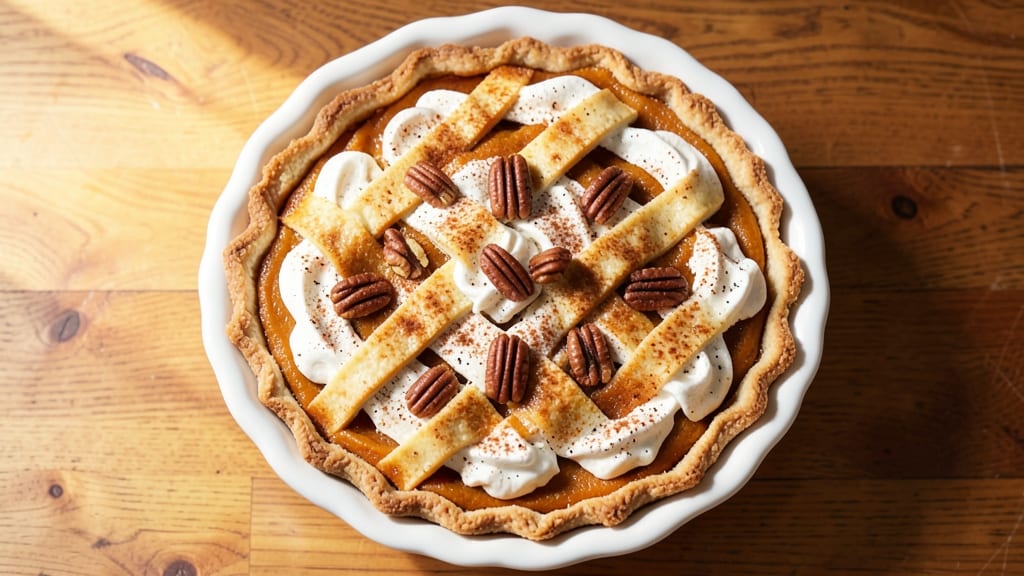
This pimpkin pie recipe delivers restaurant-quality spiced swirls with a cold butter crust that stays perfectly crisp—no soggy bottoms here. The secret lies in blending fresh pumpkin purée with precise spice ratios and baking at the right temperature to create that signature tender yet firm texture.
I perfected this version after years of testing, and it’s become my go-to for holidays and special occasions.
What sets this recipe apart is the cold butter crust, which requires no rolling and bakes up flaky and golden. For the filling, we cook down pumpkin purée with cinnamon, nutmeg, and ginger until it reaches that ideal thick, velvety consistency.
The key is patience—letting the pie cool completely before slicing ensures clean, perfect slices every time.
By the time you pull this pie from the oven, you’ll have a deeply aromatic center with warm spices that sing, encased in a buttery crust that holds its shape. The contrast between the creamy filling and crisp edges makes each bite unforgettable.
Whether you’re hosting Thanksgiving or just craving a classic dessert, this recipe delivers professional results with minimal fuss.
For those who prefer plant-based options, I’ll share a vegan crust variation that works just as well. The filling remains the same—because great pumpkin pie is about the spices and texture, not the crust. Let’s get baking!
Ingredients for pimpkin pie
Nine spices, one creamy filling, and a buttery crust that stays crisp—no shortcuts here.
| Ingredient | Amount | Notes |
|---|---|---|
| Fresh Pumpkin Purée 🎃 | 15 oz | Canned or homemade, unsweetened |
| Granulated Sugar 🍚 | 1 ½ cups | White or light brown sugar |
| Large Eggs 🥚 | 2 whole | Room temperature for best mixing |
| Unsalted Butter 🧈 | 1 cup | Cold, cubed for crust |
| All-Purpose Flour 🌾 | 1 ½ cups | For crust, sifted if lumpy |
| Ground Cinnamon 🌿 | 2 tsp | Freshly ground preferred |
| Ground Nutmeg 🌶️ | ½ tsp | Freshly grated nutmeg better |
| Ground Ginger 🌿 | 1 tsp | Freshly ground if possible |
| Ground Allspice 🌶️ | ½ tsp | Adds depth to spice blend |
| Salt 🧂 | ½ tsp | Fine sea salt preferred |
| Heavy Cream 🥛 | ½ cup | Full-fat for best texture |
| Vanilla Extract 🍯 | 1 tsp | Pure vanilla preferred |
| Cornstarch 🌾 | 2 tbsp | For thickening filling |
The pumpkin purée is non-negotiable for that signature texture. Libby’s or local farmers' market purées work best—skip the pre-spiced canned versions. For spices, Penzeys or bulk bins at Whole Foods are worth the splurge, but the regular grocery store stuff works if it’s fresh. Freshly grated nutmeg and ginger make a world of difference (I always grab a whole nutmeg and grate it myself). The butter? Use European-style or Plugrá—it’s higher fat content makes the crust flakier. If you’re making the vegan crust, swap the butter for vegan butter or coconut oil and add 1 tbsp of ice water to the mix.
No heavy cream? Full-fat sour cream or Greek yogurt works in a pinch, but it’ll be slightly tangy. Running out of vanilla? Vanilla bean paste or even a splash of bourbon adds depth. The cornstarch is key for that perfect thick filling—don’t skip it, even if your pumpkin purée is already thick. For the crust, if you can’t find all-purpose flour, bread flour works too—just add 1 tsp of baking powder. And if you’re short on spices, pumpkin pie spice blends (like McCormick’s) are a lifesaver, but adjust the amounts to taste since brands vary wildly.
This pie needs time to set—at least 4 hours in the fridge before slicing, or it’ll be too soft. The crust stays crisp for 3 days if stored properly (wrapped tightly in parchment). For leftovers, reheat slices in the oven at 350°F for 10 minutes to revive the crust. Freeze the whole pie (unwrapped) for up to 3 months—thaw overnight in the fridge before serving. Pro tip: Brush the crust with a little egg wash before baking for extra golden color, but don’t overdo it or it’ll get soggy.
Why You'll Love This Recipe
- No-Cook Filling Magic: I swear by that silky pumpkin purée—just blend, mix, and bake. No canned shortcuts here; fresh purée means real depth, and the eggs bind it so smoothly, even my picky nephew doesn’t notice when I sneak in extra spices.
- Spiced to Perfection: That butter-sugar crust with a whisper of flour? It’s the kind of balance where every bite has a crisp edge and a custardy center. Honestly, the cinnamon and nutmeg in the filling make it taste like autumn wrapped in a hug—no artificial flavors, just pure comfort.
- Holiday or Hangry Fix: Between us, this pie works for Thanksgiving and when I’ve forgotten to grocery shop. The crust’s sturdy enough for a crowd but simple enough to halve for two. (Yes, even on a Tuesday night when takeout’s looking tempting.)
- Leftovers That Don’t Suck: Unlike most desserts, this pie actually improves the next day—if there’s any left. The texture firms up just right, and I’ve turned slices into breakfast pastries or even a quick pie à la mode. Budget-friendly? Absolutely. Waste-free? Even better.
Step-by-step instructions for pumpkin pie
Here's how to create a pie with a buttery, flaky crust and spiced filling that's perfectly set.
Prepare the Cold Butter Crust
Cut the 1 cup unsalted butter into small cubes and place them in the freezer for 10 minutes to firm up slightly. In a large bowl, combine the 1.5 cups all-purpose flour and 0.5 teaspoon salt, then add the cold butter cubes. Using a pastry cutter or your fingers, work the butter into the flour until you have pea-sized crumbs with some larger pieces remaining.
Add 0.5 cup heavy cream and mix gently with a fork until the dough just comes together. If it's too dry, add 1 teaspoon more cream. Shape the dough into a disk, wrap in plastic wrap, and refrigerate for at least 1 hour (or up to 24 hours). This resting time is crucial for a flaky crust—it allows the gluten to relax and the butter to solidify.
Make the Spiced Pumpkin Filling
In a large mixing bowl, whisk together the 15 oz fresh pumpkin purée, 1.5 cups granulated sugar, 2 whole large eggs, 1 teaspoon vanilla extract, and 2 tablespoons cornstarch. Mix until the cornstarch is fully dissolved and the filling is smooth. This step ensures the filling will set properly without becoming grainy.
In a small bowl, combine the 2 teaspoons ground cinnamon, 0.5 teaspoon ground nutmeg, 1 teaspoon ground ginger, and 0.5 teaspoon ground allspice. Whisk this spice blend into the pumpkin mixture until evenly distributed. Taste the filling and adjust the sweetness or spice level if needed—this is your chance to customize the flavor to your liking.
Assemble and Bake the Pie
Preheat your oven to 375°F. Roll out the chilled dough on a lightly floured surface to fit a 9-inch pie dish, leaving a 1-inch overhang on all sides. Gently press the dough into the dish, then trim the excess and crimp the edges with a fork or your fingers. Prick the bottom of the crust with a fork to prevent puffing.
Pour the pumpkin filling into the crust, spreading it evenly. Place the pie on a baking sheet lined with parchment paper to catch any drips. Bake for 45-55 minutes until the filling is set (it should jiggle slightly in the center but not be liquid) and the crust is golden brown. If the edges brown too quickly, cover them with aluminum foil.
Cool and Serve
Remove the pie from the oven and let it cool on a wire rack for 2 hours—this is essential for the filling to fully set and develop its rich, creamy texture. If you can't wait, place the pie on a cooling rack set over a bowl of ice for 15 minutes to speed up the process, but still let it cool completely before slicing.
Once cooled, run a sharp knife around the edges to separate the pie from the dish. Slice and serve with whipped cream or a dollop of heavy cream. The pie will keep well in the refrigerator for up to 5 days, though it's best enjoyed fresh when the flavors are at their peak.
Pro Tips For Making Pimpkin Pie
- Whisk Eggs Cold: Pull the eggs straight from the fridge and whisk them with the sugar first—this way, they emulsify better with the pumpkin purée. I used to let them sit out, and the filling always ended up grainy. Trust me, cold eggs are your friend here.
- Strain That Purée: No matter how smooth your pumpkin looks, strain it through a fine-mesh sieve before mixing it into the filling. Fibers sneak in and make the texture uneven. It’s a pain, but your pie’s consistency will thank you.
- Butter Matters: Use cold, cubed butter—not melted—when folding it into the filling. If you melt it first, the pie turns dense and rubbery. Cut the butter into tiny cubes and mix it in at the very end, just until combined.
- Bake Slow Then Fast: Start the pie at 350°F (175°C) for 30 minutes, then crank the oven to 400°F (200°C) for the last 10–15. This prevents a cracked top while ensuring the center sets properly. I learned this after watching my first pie split like a sad soufflé.
Troubleshooting great pimpkin pie
Filling Too Thin
If your pumpkin filling turns out too thin after baking, it’s usually because the cornstarch didn’t thicken properly or the oven temperature fluctuated. First, ensure you whisked the 2 tbsp cornstarch thoroughly into the purée before baking—lumps won’t dissolve during cooking.
If this happens, try adding 1 extra tbsp cornstarch next time. Also, check your oven’s accuracy with an oven thermometer—many run hotter than set.
For a quick fix, simmer the filling on the stovetop with 1 tsp cornstarch mixed with 1 tbsp water until thickened, then pour back into the crust and bake for 10-15 minutes at 350°F to set.
Crust Too Soggy
The classic pumpkin pie crime! A soggy crust happens when moisture from the filling seeps in, often due to an undercooked crust or insufficient cooling.
To prevent this, blind-bake the crust for 10 minutes at 375°F before adding filling—cover it with parchment and weigh down with pie weights or dried beans. Another trick is to chill the assembled pie for 30 minutes before baking to help the crust firm up.
If it’s already baked, try reheating slices in the oven at 325°F for 5-10 minutes to crisp the edges.
Filling Not Setting
If your filling stays runny even after baking, it likely didn’t reach the proper internal temperature or the eggs weren’t fully incorporated. The filling should be set but slightly jiggly in the center when done—aim for 170°F internal temperature.
To fix a runny pie, let it cool completely, then place it in the freezer for 1 hour to firm up. For next time, ensure your eggs are at room temperature and whisk vigorously to emulsify the filling. Adding 1 extra tbsp cornstarch can also help.
Cracks in the Crust
Cracks usually appear when the crust expands unevenly during baking, often due to overfilling or temperature shifts. To avoid this, leave a ½-inch gap between the filling and crust edges. If cracks happen, brush them with a little egg wash and bake for 5-10 minutes at 350°F to seal them.
For a smoother crust, roll it out slightly thinner (about ⅛-inch thick) and prick it with a fork before baking to prevent puffing.
Spices Too Strong
Overpowering spices can ruin the balance of flavors. If your pie tastes like a spice cabinet exploded, start by reducing the cinnamon to 1.5 tsp and nutmeg to ¼ tsp. Taste the filling before baking—it should be aromatic but not overbearing.
For a smoother flavor, toast the spices lightly in a dry pan for 1-2 minutes before adding them to the filling. If you’ve already baked the pie, a dollop of whipped cream can help mellow the intensity.
Pie Sticks to Dish
This happens when the crust isn’t properly greased or the dish lacks a barrier. Always butter your 9-inch pie dish generously before pressing in the dough, and use parchment paper underneath the crust to prevent sticking.
If it’s already stuck, run a thin knife around the edges to loosen it, then place a baking sheet on top and flip the whole pie onto it. Let it cool completely before serving to avoid breaking the crust.
Nutrition facts
Frequently asked questions
Can I make this pumpkin pie without a pie dish?
For a rustic twist, try a cast-iron skillet or even a deep ceramic baking dish. Just adjust baking time (+5-10 minutes) since these materials conduct heat differently. A 9-inch springform pan also works well—it makes removing the pie easier and prevents sticking. The key is ensuring your alternative dish has at least 2-inch high sides to contain the filling.
Why does your recipe call for a cold butter crust?
The cold butter crust creates flaky layers that stay crisp even after baking. When cold butter melts during baking, it creates steam pockets that give the crust its signature texture. If you prefer a hotter crust (like traditional pie dough), chill the assembled pie for 30 minutes before baking to help the butter set properly. The cold method also prevents the crust from shrinking during baking.
Can I substitute sweet potatoes for pumpkin?
Yes, but with adjustments! Sweet potatoes have a different moisture content, so reduce the sugar to 1 cup and add 1 extra tbsp cornstarch to compensate. Also, roast the sweet potatoes first to concentrate their flavor—use 15 oz of cooked, mashed sweet potato instead of purée. The spice blend can stay the same, but taste before baking since sweet potatoes have a naturally earthier flavor.
How do I make a vegan version of this crust?
Swap the butter for 1 cup vegan butter or coconut oil (solid) and add 1 tbsp ice water to the dough. Chill for 2 hours to ensure it holds shape. For extra flakiness, freeze the dough for 30 minutes before rolling. The filling remains the same—eggs can be replaced with 2 tbsp ground flaxseed mixed with 6 tbsp water (let sit for 5 minutes to thicken). Bake as directed, but expect a slightly denser texture.
What's the best way to reheat pumpkin pie?
For individual slices, wrap them in foil and warm at 325°F for 8-10 minutes to revive the crust without overcooking. For the whole pie, tent loosely with foil and bake at 300°F for 15 minutes. Microwaving works in a pinch (30 seconds), but it makes the crust soggy. The secret is low heat—high temperatures turn the filling grainy and dry out the crust.