
Main Courses
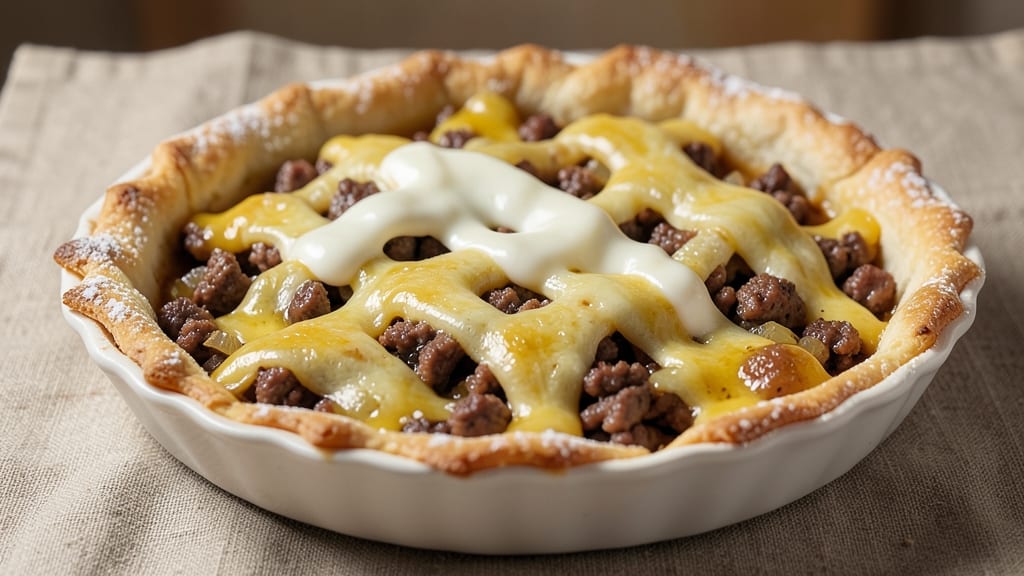
This pork and egg pie recipe transforms humble ingredients into a hearty, golden-crusted masterpiece that tastes like home. 💛 Growing up in Georgia, I learned that the secret lies in tender pork, rich egg custard, and a crisp pastry that holds everything together—no shortcuts, just flavor.
The aroma alone will have everyone gathering at your table before the oven even beeps.
What makes this recipe special is the balance: savory ground pork seasoned with just enough herbs to complement (not overpower) the delicate egg custard filling. I use a simple pie crust that's sturdy enough to hold its shape through baking but still flaky enough to melt in your mouth.
The filling gets just set enough to hold together when sliced, creating that perfect texture where each bite delivers both creamy custard and tender pork.
By the time it emerges from the oven, you'll have a pie with a golden, crackly crust hugging a fluffy egg mixture speckled with perfectly cooked pork. The contrast of textures—crisp crust, creamy filling, tender meat—makes every forkful satisfying.
This is the kind of dish that disappears quickly, so make sure to have extra crust on hand.
Serve it warm with a crisp green salad or steamed vegetables to balance the richness. For drinks, a dry white wine or iced tea cuts through the savory flavors beautifully.
The leftovers reheat perfectly, making this an ideal meal for feeding a crowd or prepping ahead for busy weeks. Let's get baking!
Ingredients for pork and egg pie
Humble ingredients that create a pie so hearty it feels like home cooking.
| Ingredient | Amount | Notes |
|---|---|---|
| Ground Pork 🐷 | 1 ½ lb | Lean but not fat-free |
| Large Eggs 🥚 | 6 whole | Room temperature preferred |
| Heavy Cream 🥛 | 1 cup | Full-fat for richness |
| Whole Milk 🥛 | ½ cup | Warmed slightly for custard |
| Yellow Onion 🧅 | 1 medium | Finely diced |
| Garlic Cloves 🧄 | 3 cloves | Minced for depth |
| All-Purpose Flour 🌾 | ¼ cup | For thickening custard |
| Salt 🧂 | 1 tsp | Kosher or sea salt |
| Black Pepper 🌶️ | ½ tsp | Freshly ground preferred |
| Dried Thyme 🌿 | ½ tsp | Or 1 tsp fresh thyme |
| Dried Sage 🌿 | ¼ tsp | Crumbled for flavor |
| Pie Crust 🥧 | 1 pre-made | Store-bought or homemade |
| Unsalted Butter 🧈 | ¼ cup | Cold, cubed for crust |
| Granulated Sugar 🍚 | 1 tbsp | For crust sweetness |
The ground pork is where the magic starts—lean but not fat-free, so it stays tender without getting greasy. I grab mine from Costco when I can, but the regular supermarket stuff works fine. Look for good marbling if you're buying a whole pork shoulder to grind yourself. For the eggs, room temperature is key—they'll blend more smoothly into the custard. The heavy cream and milk should be warmed slightly (just until you can't quite call it cold) for that perfect silky custard texture. And don't skimp on the butter for the crust—cold, cubed butter creates the best flaky layers.
No heavy cream? Half-and-half with an extra egg yolk works in a pinch, though the texture won't be quite as rich. Fresh thyme and sage are ideal, but dried works at one-third the amount if that's what you've got. The pie crust can be homemade (I'll never judge), but store-bought from the refrigerated section saves time and still delivers great results. For the onion, vidalias or yellow work best—they're sweet and won't overpower. If you're using pre-made crust, check the ingredients for butter content—higher butter percentage means better flavor. The sugar in the crust isn't about sweetness; it's about helping the crust brown beautifully.
This pie reheats beautifully—just 350°F for 15-20 minutes covered with foil until warmed through. Keeps 3-4 days in the fridge, though I've never had leftovers last that long. For make-ahead prep, assemble the pie crust and filling, then refrigerate overnight. The flavors meld even more beautifully. If you're making this for a crowd, double the recipe—it disappears fast. Store any leftovers in an airtight container with a sprinkle of flour on top to keep the crust crisp.
Why You'll Love This Recipe
- One-Pot Magic: I swear by this recipe when I’m too tired to wash dishes. Brown the ground pork with onions in the same pan, then just pour in the milk, cream, and eggs—no extra bowls, no fuss. That’s how you make dinner without losing your mind.
- Creamy Crispy Contrast: Here’s what sold me—crispy edges on the top crust with a silky, custardy center. The heavy cream and eggs thicken into something rich but not heavy, while the pork keeps it savory. It’s the kind of pie that makes you take a second bite without thinking.
- Lunchbox Hero: Between us, this reheats like a dream. Pack it cold for work or school lunches, and it stays together—no soggy crust here. My kids actually eat their leftovers, which, honestly, is a miracle in this house.
- Budget-Friendly Staples: Ground pork, eggs, and onions? That’s about $10 for a whole pie. The milk and cream stretch the filling so it feels indulgent without breaking the bank. I’ve made this for date nights and potlucks—same recipe, different vibes.
Step-by-step instructions for pork and egg pie
Here's how to create a golden crust hugging tender pork and velvety custard filling.
🍳 Step 1: Cook the Pork Filling
Heat a large skillet over medium-high heat and add the 1.5 lb ground pork. Break it up with a wooden spoon as it cooks, stirring frequently until it loses its raw color and becomes light brown—about 5-6 minutes. This ensures all the pork cooks evenly without drying out.
Add the finely diced yellow onion and minced garlic cloves to the skillet. Cook for another 3-4 minutes until the onions are translucent and the garlic is fragrant. Sprinkle in the 0.5 tsp dried thyme, 0.25 tsp dried sage, 1 tsp salt, and 0.5 tsp black pepper, stirring to coat everything evenly. Let the spices toast in the pork mixture for 1 minute to release their full aroma.
👨🍳 Step 2: Prepare the Custard Filling
In a separate bowl, whisk together the 6 whole large eggs, 1 cup heavy cream, 0.5 cup whole milk, and 0.25 cup all-purpose flour until completely smooth. The mixture should be uniform with no visible streaks of flour. I like to use a whisk for this step—it helps incorporate air and creates a lighter custard.
Real talk: don't skip warming the milk slightly first. It helps the custard thicken properly. Gently warm the 0.5 cup whole milk in a small saucepan over low heat until it reaches about 100°F (just warm to the touch), then let it cool slightly before adding it to the egg mixture. This prevents scrambling the eggs.
🥘 Step 3: Combine Fillings and Prepare the Crust
Remove the pork mixture from the skillet and let it cool for 5 minutes—this prevents the custard from curdling when combined. Stir the cooled pork into the egg mixture until fully incorporated. The filling should be thick but pourable, with a rich color from the pork and herbs.
Roll out the pre-made pie crust on a lightly floured surface to fit a 9-inch pie dish. I like to use a rolling pin, but you can also press it gently with your fingers. Transfer the crust to the pie dish and trim any excess edges. Sprinkle the 1 tbsp granulated sugar evenly over the bottom crust—this adds just the right amount of sweetness to balance the savory filling.
🔥 Step 4: Assemble and Bake the Pie
Pour the pork-custard filling into the prepared pie crust, spreading it evenly. Cut the remaining pie crust into strips for a lattice top. Here's the thing—arrange the strips in a crisscross pattern, brushing each one with a little beaten egg (save 1 egg from your batch) to help them brown beautifully. The lattice lets light and air circulate, creating that perfect flaky texture.
Bake the pie in a 375°F preheated oven for 45-50 minutes until the crust is deep golden brown and the filling is set but still slightly jiggly in the center (like a custard should be). If the edges brown too quickly, cover them with aluminum foil. The pie is done when it's puffed and the filling has a gentle wobble—it'll firm up as it cools.
⏰ Step 5: Rest and Serve
Let the pie cool on a wire rack for at least 1 hour before slicing. This resting time is crucial—it allows the filling to fully set and the juices to redistribute, so each slice is creamy and flavorful. I know it's tempting to dig in right away, but trust me, waiting makes all the difference.
To serve, cut into 6 equal wedges (perfect for the 6 servings this recipe makes). The contrast of the flaky, buttery crust with the rich, herby pork custard is what makes this pie so special. Serve with a simple green salad or crusty bread to soak up any extra filling.
Pro Tips For Making Pork And Egg Pie
- Cook Pork Low and Slow: Ground pork dries out fast, so simmer it on medium-low heat until it’s just done—no more than 165°F. I used to crank the heat and end up with rubbery filling; now I walk away after 10 minutes, stirring only twice.
- Sweat Onions First: Dice onions fine and cook them in a dry pan for 8-10 minutes until translucent and slightly caramelized. Skipping this step means your pie tastes raw and sharp—like eating onion-flavored custard instead of savory filling.
- Beat Eggs Until Thick: Whisk the eggs with heavy cream and milk until they’re ribbony and hold a trail for 3-4 seconds. Thin batter = watery pie; thickened eggs = creamy, set filling. (Yes, even if you’re impatient like me.)
- Bake Until Golden, Not Just Set: The crust won’t brown if the oven’s too hot at first—start at 375°F, then drop to 350°F halfway through. I learned this after three pale, sad pies; now mine gets that perfect golden crust without burning.
Creative variations of this pork and egg pie
Southern-Style Pork Gravy
This variation swaps the custard filling for a rich, creamy pork gravy that's perfect for a hearty breakfast or brunch. Cook the 1.5 lb ground pork as directed, then add 1 cup chicken broth and 2 tbsp all-purpose flour to thicken.
Simmer for 5 minutes until smooth, then pour into the crust. Top with a second crust and bake at 375°F for 30-35 minutes. The result is a comforting, savory pie that tastes like a cross between a pie and a gravy pot. 🌶️
Herb & Cheese Twist
For extra depth, stir ½ cup shredded sharp cheddar and ¼ cup grated Gruyère into the custard filling before baking. The cheeses melt into the custard, creating a luxurious texture.
I also add 1 tsp fresh rosemary and ½ tsp smoked paprika to the pork mixture for a smoky, herby kick. This version feels fancy but takes the same effort as the original. 🧀
Sweet & Savory Apple
Balance the savory filling with a touch of sweetness by adding ½ cup diced tart apples (like Granny Smith) to the pork mixture. The apples caramelize slightly during cooking, adding natural sweetness that pairs perfectly with the custard.
For extra flair, sprinkle ½ tsp cinnamon over the crust before baking. This variation works beautifully for holiday gatherings. 🍏
Crustless Version
Skip the crust entirely and bake the custard filling in a buttered pie dish for a lighter, single-serving option. Brush the top with 1 tbsp melted butter and sprinkle with toasted breadcrumbs for texture.
This version is perfect for meal prep—simply reheat slices in the microwave for 1-2 minutes. It’s a great way to enjoy the flavors without the fuss of pie crust. 🥖
Spicy Chorizo Swap
Replace the ground pork with 1.5 lb Mexican chorizo for a bold, spicy twist. Cook the chorizo as directed, then proceed with the custard filling. The chorizo’s heat and smokiness elevate the dish, making it a standout for those who love a little kick.
Serve with cooling elements like avocado slices or sour cream on the side. 🌶️🔥
Mini Hand Pies
Transform this recipe into individual hand pies by dividing the filling into 6 equal portions and rolling out the crust into small circles. Place a spoonful of filling in the center of each crust circle, fold over, and crimp the edges with a fork.
Bake at 375°F for 20-25 minutes until golden. These bite-sized pies are perfect for parties or lunches—everyone loves a handheld treat! 🍴
Nutrition facts
Frequently asked questions
Can I use chicken instead of pork in this recipe?
You can absolutely substitute chicken for pork, but the flavor profile will change slightly. Use 1.5 lb ground chicken and add an extra 0.25 tsp dried sage to compensate for the milder taste. The custard filling will still work beautifully, though chicken tends to be leaner, so you might want to add 1 tbsp olive oil to the skillet to prevent drying out.
How do I prevent the custard from becoming watery or curdled?
There are two key tricks: warm the milk to about 100°F before mixing it with eggs, and whisk vigorously to eliminate all flour lumps. Also, let the cooked pork cool completely before combining it with the custard—hot pork can cause the eggs to scramble. If the custard seems too thin after baking, reheat it gently on the stove with a splash of cream.
Can I make this pie ahead of time?
This pie actually tastes even better the next day! Assemble it completely (including the lattice top) and refrigerate overnight. Bake straight from the fridge at 375°F for 5-10 minutes longer than usual. The crust will still get golden, and the flavors meld beautifully. For make-ahead prep, you can even freeze the unbaked pie for up to 2 months—just thaw overnight before baking.
What's the best way to reheat leftovers?
Slice the pie and reheat individual portions in the oven for the best results. Cover with foil and warm at 350°F for 15-20 minutes until heated through. The oven method keeps the crust crisp while gently warming the custard. Microwave reheating works in a pinch (30-45 seconds), but the crust will get soggy. Store leftovers in an airtight container with a sprinkle of flour on top to maintain crispness.
Why did my pie crust turn soggy?
Soggy crusts usually happen from one of three issues: underbaked filling (let it jiggle slightly when done), too much moisture in the filling (drain excess liquid from pork), or not enough resting time (always wait 1 hour before slicing). For extra insurance, blind-bake the crust for 10 minutes before adding filling. Also, make sure your oven rack is in the middle position for even heat distribution.