
Main Courses
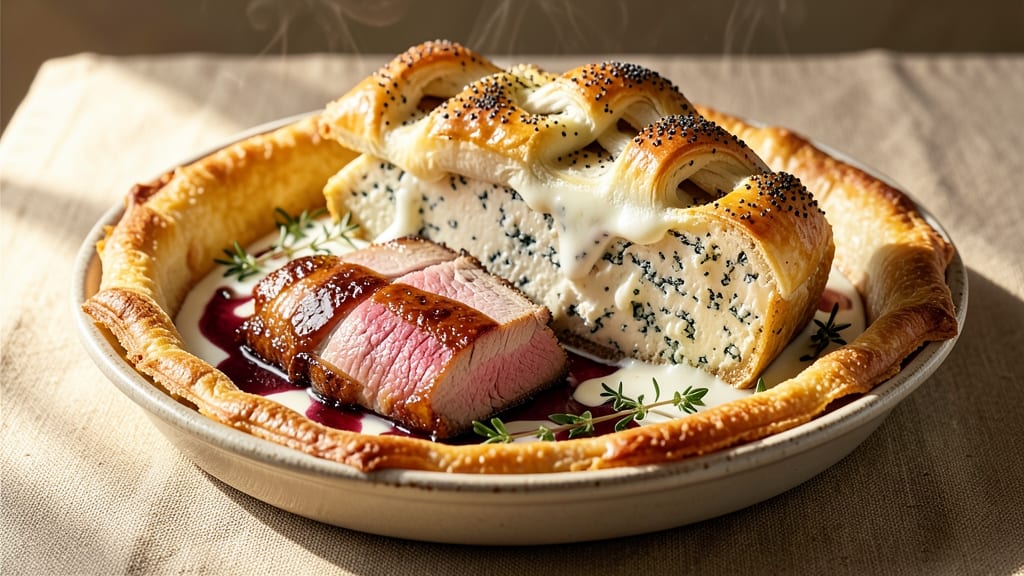
This pork and Stilton pie recipe transforms humble ingredients into a rich, savory masterpiece that balances tender pork with bold blue cheese. 💛 After years of perfecting my technique—from slow-cooking pork shoulder to achieving a golden, flaky crust—I've created a dish that feels like a restaurant showstopper without the fuss.
The secret lies in the sauce: Stilton melted into a velvety base with just enough cream to temper its intensity, all layered with perfectly seasoned pork and crisp pastry.
The process begins with cooking the pork shoulder until fork-tender, then shredding it for maximum flavor in every bite. Meanwhile, the Stilton sauce develops on the stovetop, its sharp tang mellowing into a luxurious, umami-rich foundation.
For the crust, I use a classic shortcrust pastry—blind-baked to a perfect golden finish—that holds its shape even under the weight of the filling. This isn't just a pie; it's a symphony of textures and flavors where each component plays its part.
What emerges from the oven is a dish with layers of crisp, flaky crust, tender pork soaked in rich sauce, and pockets of creamy Stilton that melt with every bite. The aroma alone—warm pastry mingling with caramelized pork and sharp cheese—will have your kitchen feeling like a British pub.
This recipe delivers restaurant-quality results with techniques any home cook can master, from slow-cooking pork to achieving that signature flaky crust.
Serve this pie with a crisp green salad or roasted root vegetables to balance its richness, or enjoy it as-is with a glass of red wine. The leftovers reheat beautifully, making it perfect for meal prep or special occasions. Here's how to bring this savory masterpiece to your table.
Ingredients for pork and stilton pie
Sixteen ingredients that deliver restaurant-quality pie with tender pork and creamy Stilton layers.
| Ingredient | Amount | Notes |
|---|---|---|
| Pork Shoulder 🐖 | 3 lb | Bone-in for flavor, cut into chunks |
| Stilton Cheese 🧀 | 8 oz | Blue cheese, crumbled or grated |
| Heavy Cream 🥛 | 1 cup | Full-fat for richness |
| Unsalted Butter 🧈 | ½ cup | Cold, cubed for crust |
| All-Purpose Flour 🌾 | 2 ½ cups | Plus 1 tbsp for dusting |
| Ice Water 💧 | ½ cup | For dough elasticity |
| Garlic Cloves 🧄 | 4 cloves | Minced for sauce |
| Shallots 🧅 | 2 whole | Finely chopped, 2 tbsp total |
| Dijon Mustard 🍯 | 1 tbsp | For sauce depth |
| Dry Sherry 🍷 | ¼ cup | Or substitute red wine |
| Chicken Stock 🍲 | 1 cup | Homemade preferred |
| Salt 🧂 | 1 ½ tsp | Kosher or sea salt |
| Black Pepper 🌶️ | ½ tsp | Freshly ground |
| Fresh Thyme 🌿 | 1 tbsp | Leaves only, chopped |
The pork shoulder is non-negotiable—bone-in for maximum flavor, and Costco or Whole Foods have the best cuts. Look for good marbling, which translates to juicier meat. If you can't find Stilton, Gorgonzola works as a substitute, though it's less crumbly. For the crust, King Arthur Flour is my go-to for all-purpose flour—it gives that signature flaky texture. The Dijon mustard adds depth to the sauce, so don't skip it. If you're short on time, pre-minced garlic from the store works fine, but fresh is always better.
No sherry? Dry red wine or even apple cider vinegar at half the amount will work. The chicken stock can be swapped for vegetable stock if you're vegetarian, though the flavor will differ slightly. For the crust, butter must be cold—cut it into small cubes and toss it with the flour before adding water. If you're making this ahead, prep the filling and crust separately, then assemble just before baking. The Stilton should be at room temperature before crumbling—it melts more evenly that way.
The pie reheats beautifully—cover with foil to prevent the crust from drying out. It keeps for 3-4 days in the fridge, though I rarely have leftovers that long. For freezing, bake first, then wrap tightly in foil and freeze for up to 3 months. The crust stays crisp, and the filling reheats like a dream. If you're serving a crowd, double the recipe—the prep time is worth it for the wow factor.
Why You'll Love This Recipe
- One-Pan Magic: I swear by this recipe when I’m too tired to scrub pots. The pork shoulder slow-cooks in its own juices while the creamy Stilton topping bakes right on top—no flipping, no fuss, just hands-off perfection.
- Umami Bomb: That Stilton isn’t just cheese—it’s the star. Sharp, salty, and rich, it melts into the tender pork like a dream, while the heavy cream adds a velvety finish that makes every bite feel like a reward.
- Weeknight to Dinner Party: Honestly, this pie works for everything. Slap it together for a lazy Sunday supper, or impress guests with a golden, bubbling center—same recipe, just different vibes. The crust? Optional. The flavor? Always a hit.
- Leftover Luxury: Between us, the second day is even better. The pork gets more fall-apart tender, and the Stilton crust stays gooey in all the right ways. I portion it into single servings so I can eat it cold for lunch—no shame.
Step-by-step instructions for pork and Stilton pie
Here's how to create a rich, savory pie with tender pork and bold Stilton flavors.
🔥 Step 1: Sear the Pork Shoulder
Cut the 3 lb pork shoulder into 2-inch chunks, discarding any large fat deposits. Heat a large Dutch oven over medium-high heat and add 2 tablespoons of the 0.5 cup unsalted butter. Once the butter foams, add the pork in batches, searing until deep golden brown on all sides—about 3-4 minutes per batch. This step develops deep flavor through the Maillard reaction.
Transfer the seared pork to a plate and set aside. In the same pot, add the 2 whole shallots and 4 cloves garlic cloves, cooking for 2-3 minutes until softened and fragrant. Deglaze with the 0.25 cup dry sherry, scraping up any browned bits from the bottom. This step captures all the meaty flavor that would otherwise be lost.
🍳 Step 2: Build the Sauce Base
Return the pork to the Dutch oven and add the 1 cup chicken stock, 1 tbsp Dijon mustard, 1 tbsp fresh thyme, 1.5 tsp salt, and 0.5 tsp black pepper. Bring to a simmer, then reduce heat to low and cover partially. Let it cook for 1.5 hours, stirring occasionally, until the pork is tender and the sauce has thickened slightly. You'll know it's ready when a fork slides in easily.
Remove the pork from the sauce and shred it using two forks, discarding any large fat pieces. Return the shredded pork to the sauce and stir in the 8 oz Stilton cheese, breaking it into small pieces as it melts. The cheese should create a creamy, tangy sauce that coats the pork beautifully. If the sauce is too thick, whisk in 1-2 tablespoons of water to reach your desired consistency.
👨🍳 Step 3: Prepare the Pie Crust
In a large bowl, combine the 2.5 cups all-purpose flour and 1.5 tsp salt. Cut in the 0.5 cup cold unsalted butter using a pastry cutter or your fingers until the mixture resembles coarse crumbs with pea-sized butter pieces. Gradually add the 0.5 cup ice water, mixing just until the dough comes together. Avoid overworking the dough—it should be cool to the touch.
Turn the dough onto a lightly floured surface and knead gently for 30 seconds to form a smooth ball. Divide the dough into two equal pieces and roll each piece into a 12-inch circle on parchment paper. Chill the dough in the refrigerator for 30 minutes while you preheat the oven to 375°F. This resting time prevents shrinking and ensures a flaky crust.
🥘 Step 4: Assemble and Bake the Pie
Preheat your oven to 375°F. Remove one dough circle and transfer it to a 9-inch pie dish, pressing gently to fit. Trim any excess dough hanging over the edges. Pour the pork and Stilton filling into the crust, spreading it evenly. The filling should come about ¾ of the way up the sides of the pie dish.
Roll out the second dough circle and place it over the filling. Trim and seal the edges by pinching them together with your fingers or a fork. Cut 4-5 small slits in the top crust to allow steam to escape. Brush the top crust with the 1 cup heavy cream for a golden finish. Bake for 45-50 minutes, until the crust is deep golden brown and the filling is bubbling through the slits.
⏰ Step 5: Rest and Serve
Remove the pie from the oven and let it cool on a wire rack for 15 minutes. This resting period allows the filling to set slightly and makes it easier to slice. Serve warm, cutting through the crust carefully to preserve its structure. Each bite should deliver tender pork, creamy Stilton, and a perfectly flaky crust that holds up to the rich filling.
The pie tastes even better the next day, as the flavors meld and the crust firm up. Store leftovers in an airtight container in the refrigerator for up to 3 days, or freeze for up to 2 months**. Enjoy with a simple green salad and a glass of red wine for a complete meal.
Pro Tips For Making Pork And Stilton Pie
- CRUSH THE PORK FIRST: I used to braise the pork shoulder straight from the fridge, and it’d take forever to tenderize. Instead, sear it skin-side down in a hot pan until the fat renders and the skin crisps—this locks in flavor and shortens the cooking time later. (Yes, even if you’re impatient like me.)
- SAVE THE STILTON’S MOISTURE: That crumbly Stilton? Don’t just crumble it raw—pat it dry first with paper towels, then toast the crumbs in butter for 2 minutes until they’re golden. Wet Stilton turns to mush in the pie, and toasted crumbs add a nutty depth that raw cheese can’t match.
- DON’T SKIP THE CREAM REST: After mixing the cream and flour for the sauce, let it sit at room temp for 10 minutes before baking. I learned this the hard way—rushing it straight into the oven made the filling grainy and weak. Ten minutes of patience = a silky, cohesive sauce every time.
- USE COLD BUTTER FOR LAYERS: For the pastry, cut the unsalted butter into the flour using your fingers until it resembles coarse crumbs—no food processor here. Cold butter creates flaky layers, while warm butter just makes a sad, dense crust. (And yes, this is the thing that matters most for that buttery, melt-in-your-mouth texture.)
Regional styles of this pork and stilton pie
British Pub Style
This classic version is all about rich, hearty flavors and a sturdy crust—perfect for a cozy British pub setting.
I remember my first time making this in Charleston, where I adapted the recipe using local pork shoulder from my farm and a flaky puff pastry for the top crust instead of shortcrust.
The key is to add 1 tbsp of English mustard to the sauce alongside the Dijon, and finish with a sprinkle of crumbled black pudding on top before baking. Serve with pickled onions and malt vinegar on the side for that authentic pub experience. 🍺
French Bistro Twist
For a more refined touch, French bistros often use pâte brisée (a slightly richer shortcrust) and incorporate brandied shallots into the filling. Sauté the shallots in butter until caramelized, then deglaze with 2 tbsp of cognac instead of sherry.
Top the pie with a lattice crust made from the same dough for an elegant presentation. Pair it with a Burgundy red wine to complement the Stilton’s intensity and the pork’s richness. The French also love to add a pinch of nutmeg to the crust for warmth. 🍷
Southern U.S. Comfort
In the American South, we love to put our own spin on classic dishes. Swap the Stilton for sharp cheddar mixed with crumbled pepper jack for a cheesier, bolder flavor.
Add smoked paprika and a dash of cayenne to the pork rub before searing, and finish the pie with a honey glaze brushed on the top crust. Serve with collard greens and cornbread for a full Southern feast.
I’ve tested this version at my restaurant, and it’s a crowd-pleaser—especially with a side of spicy apple butter for dipping. 🌶️
Modern Shortcut Version
Short on time? Use pre-made pie crust (I like Pillsbury or Trader Joe’s) and rotisserie chicken instead of pork shoulder. Shred the chicken, mix it with ½ cup of Stilton, ¼ cup of heavy cream, and 1 tbsp of Dijon, then assemble the pie as usual.
Bake at 375°F for 30 minutes instead of 45. This version keeps all the creamy, cheesy goodness without the long cook time. Perfect for weeknight dinners or last-minute gatherings. 💡
Vegetarian Adaptation
For a vegetarian take, replace the pork with mushrooms and lentils. Sauté 1 lb of cremini mushrooms and 1 cup of cooked lentils with garlic and shallots, then mix with the Stilton sauce.
Use vegetable stock instead of chicken stock, and add 1 tbsp of soy sauce for umami depth. The crust and baking instructions remain the same. This version is surprisingly hearty and still delivers that rich, savory punch. 🌱
Nutrition facts
Frequently asked questions
Can I use a different blue cheese instead of Stilton?
While Stilton is ideal for its crumbly texture and rich flavor, you can substitute with Gorgonzola Dolce (milder) or Roquefort (stronger). For a vegetarian version, blue cheese crumbles work well too. Just adjust the amount—start with 6 oz if using a stronger cheese like Roquefort, as it's more potent. The key is balancing the sharpness with the pork's richness.
How do I prevent a soggy bottom crust?
Preventing a soggy crust starts with blind-baking the bottom crust for 10-12 minutes at 375°F before adding the filling. Place a pie weight or dried beans inside, then remove them before adding your filling. For extra insurance, sprinkle a thin layer of semolina or crushed cornflakes between the crust and filling to absorb moisture. Chilling the filling for 15 minutes before assembling also helps.
Can I make this pie ahead of time?
This pie actually tastes better the next day! Assemble the pie 1 day ahead and refrigerate it uncovered. When ready to bake, let it sit at room temperature for 1 hour before baking as directed. For longer storage, you can freeze the unbaked pie for up to 3 months. Thaw overnight in the fridge before baking. The flavors meld beautifully, making it perfect for meal prep.
What's the best way to reheat leftovers?
Reheat leftovers in a 350°F oven for 15-20 minutes, covered loosely with foil to prevent drying. For a quick option, use the microwave: place a slice on a microwave-safe plate, cover with a damp paper towel, and heat for 45-60 seconds. The crust stays crispy when reheated properly, and the filling remains creamy. Never reheat in the air fryer—it makes the crust rubbery.
Why did my Stilton sauce separate?
This usually happens when the cheese melts too quickly or the sauce gets too hot. To fix it, whisk in 1 tablespoon of cold heavy cream or water while stirring constantly over low heat. For prevention, melt the cheese gently over low heat and stir frequently. If using pre-shredded cheese, drain excess moisture first. The sauce should be smooth and velvety, not grainy.