
Main Courses
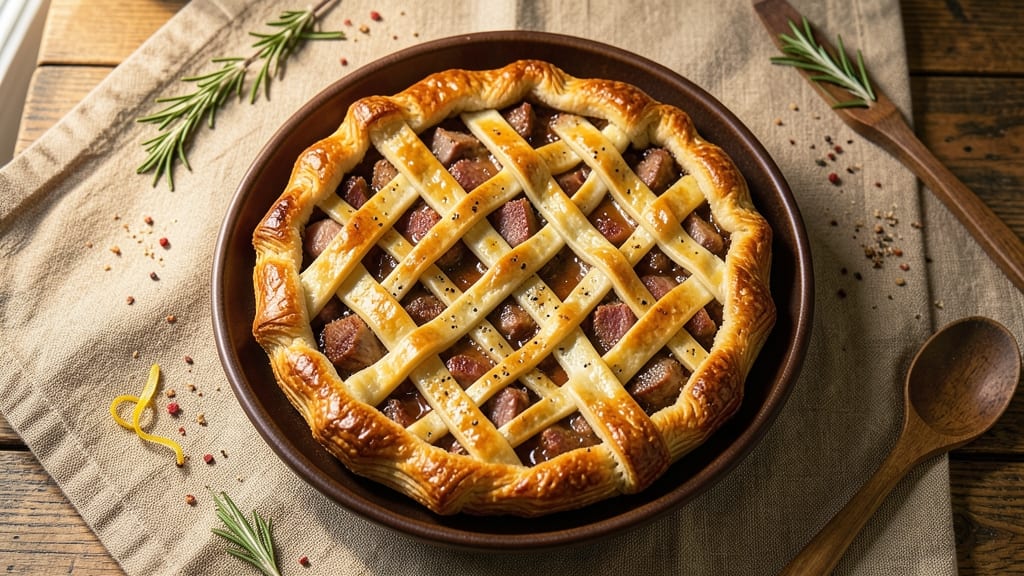
Paul Hollywood’s pork pie recipe delivers the perfect balance of flaky pastry and rich, savory meat filling that’s become a British baking classic. The secret lies in a well-seasoned pork mixture slow-cooked to tender perfection, encased in a crisp, golden crust that crackles with every bite.
This isn’t just a pie—it’s a showstopper that transforms a simple Sunday dinner into a centerpiece worth celebrating.
The filling starts with pork shoulder, finely minced and seasoned with black pepper, nutmeg, and a touch of Worcestershire sauce for depth.
While the meat cooks gently in a pot, the pastry—either a traditional shortcrust or a suet-based crust—gets rolled out and blind-baked to ensure it stays crisp rather than soggy.
The assembly is where the magic happens: layering the filling into the pastry, sealing it tightly, and brushing the top with egg wash for that signature golden finish.
Baking at a low temperature ensures the filling stays moist while the crust achieves that perfectly crisp texture Hollywood is known for. The result? A pie with a crust so tender it practically melts in your mouth, paired with meat so flavorful it disappears in seconds.
This is the kind of dish that makes you feel like you’ve stepped into a British pub kitchen—without the fuss of a professional setup.
Whether you’re making it for a family gathering or just craving a taste of comfort food, this recipe delivers restaurant-quality results at home. The key is patience: letting the meat cook low and slow, blind-baking the pastry, and sealing the pie properly so it holds its shape.
Trust the process, and you’ll have a pie that looks as impressive as it tastes—just like Paul’s.
Ingredients for pork pie recipe paul hollywood
Pork shoulder, flaky pastry, and slow-cooked spices—this is your shortcut to Paul Hollywood’s legendary pie.
| Ingredient | Amount | Notes |
|---|---|---|
| Pork Shoulder 🥓 | 2 lb | Bone-in for best flavor |
| Unsalted Butter 🧈 | ½ cup | Cold, cubed for pastry |
| All-Purpose Flour 🌾 | 2 cups | Plus 2 tbsp for dusting |
| Suet 🥩 | ½ cup | Vegetable suet for vegan option |
| Ice Water 💧 | ½ cup | For pastry binding |
| Large Eggs 🥚 | 1 whole | For egg wash |
| Black Peppercorns 🌶️ | 1 tbsp | Freshly cracked |
| Ground Nutmeg 🌿 | ½ tsp | Freshly grated preferred |
| Worcestershire Sauce 🍶 | 1 tbsp | Vegan version if needed |
| Diamond Crystal Kosher Salt 🧂 | 1 tsp | For seasoning |
| Semolina 🌾 | ¼ cup | For dusting pie base |
| Milk 🥛 | 1 tbsp | For egg wash |
The pork shoulder is non-negotiable—bone-in gives the most flavor, and Costco or butcher shops usually have the best cuts. Look for good marbling, and don’t trim too much fat—it renders down into flavor. For the pastry, vegetable suet (like Dr. Oetker) is the secret for that melt-in-your-mouth texture. If you can’t find it, regular suet works, but the crust won’t be as tender. I always buy Diamond Crystal kosher salt—it dissolves better than table salt, and you’ll need it for both the filling and pastry.
No fresh nutmeg? Ground works in a pinch, but it’s not the same. Worcestershire sauce hard to find? Soy sauce plus a pinch of sugar mimics the umami. For the pastry, if you’re short on butter, cold coconut oil works too—just don’t overwork the dough. The semolina is key for blind-baking; it prevents the base from puffing up. And trust me on the egg wash with milk—it gives that glossy, golden finish Hollywood is known for. Pre-shredded cheese? Don’t even think about it for the filling—freshly grated makes all the difference.
Pork shoulder keeps 3-4 days in the fridge—use it within a week for best flavor. The pastry dough can be rolled out ahead and wrapped tightly in plastic for 2 days. Once assembled, the pie holds for 1 day at room temp, but it’s best eaten fresh. For leftovers, reheat in a 350°F oven for 15 minutes—it’ll taste like it just came out of the oven. And if you’re making this ahead for a party? Assemble the pie, refrigerate overnight, then bake—the flavors meld even better
Why You'll Love This Recipe
- I’ll be real: the suet and ice water trick makes the pastry ridiculously easy—no rolling, no fuss, just slap it together. The butter layers melt into flaky perfection while you cook the filling, and honestly? Even my kids can handle the dough without crying.
- No-Fuss Dough: I’ll be real: the suet and ice water trick makes the pastry ridiculously easy—no rolling, no fuss, just slap it together. The butter layers melt into flaky perfection while you cook the filling, and honestly? Even my kids can handle the dough without crying.
- Pork Perfection: That slow-cooked pork shoulder? It’s dangerously tender, falling apart at the touch but still holding shape when sliced. The crust seals in all the juices, so every bite is rich, savory, and packed with depth—no dryness in sight.
- Leftovers Heaven: Between us, this pie is exactly what you need for meal prep. The filling reheats like a dream (just warm it gently), and the crust stays crisp even after days. I’ve turned leftovers into sandwiches, fried rice, or just reheated slices with gravy—always a hit.
Step-by-step instructions for pork pie with Paul Hollywood's signature pastry
Here's how to nail that legendary flaky crust and tender pork filling—just like Paul would make.
Prepare the Pork Filling for Maximum Flavor
Start by trimming excess fat from the 2 lb pork shoulder, leaving just a thin layer for moisture. Cut the meat into 1-inch chunks and place them in a mixing bowl. Add the 1 tbsp Worcestershire sauce, 1 tbsp freshly cracked black peppercorns, 0.5 tsp ground nutmeg, and 1 tsp Diamond Crystal kosher salt. Mix everything together with your hands until the seasoning clings evenly to the meat.
This step is all about flavor infusion. The Worcestershire sauce adds depth, while the nutmeg and peppercorns bring warmth and complexity. Don't skip the hand-mixing—it ensures every bite gets that perfect seasoning balance. Let the seasoned pork sit at room temperature while you prepare the pastry.
Create the Ultimate Flaky Pastry Dough
In a large bowl, combine the 2 cups all-purpose flour and 0.5 cup suet. Cut in the 0.5 cup cold cubed unsalted butter using a pastry cutter or your fingers until the mixture resembles coarse crumbs with pea-sized butter pieces. Add the 0.5 cup ice water gradually, mixing just until the dough comes together—don't overwork it.
Here's the thing—cold butter is your secret weapon. The ice water keeps everything chilled, which prevents the butter from melting too soon. When you handle the dough, it should be cool to the touch but pliable. If it feels sticky, add just a touch more flour, but don't go overboard or you'll lose that flakiness we're after.
Assemble the Pork Pie with Precision
Roll out half of the pastry dough to fit the bottom of a 9-inch pie dish, pressing it gently into the edges. Spoon the seasoned pork into the center, creating a mound. Sprinkle 0.25 cup semolina over the pork—this helps absorb any excess moisture during baking and creates that beautiful golden crust.
Roll out the remaining dough to create a top crust. Cut a few slits in the center to allow steam to escape. Brush the edges of the bottom crust with 1 tbsp milk mixed with the 1 whole large egg (beat them together for the egg wash), then place the top crust on carefully. Crimp the edges together with your fingers or a fork to seal completely. Brush the top crust with more egg wash for that golden finish.
Bake to Golden Perfection
Preheat your oven to 375°F. Place the assembled pork pie on a baking sheet lined with parchment paper. Bake for 1 hour, then reduce the heat to 350°F and continue baking for another 1 to 1.5 hours, or until the pastry is deep golden brown and the pork is tender enough to pull apart easily with a fork.
This slow baking process is crucial—it allows the pork to render its fat and become fork-tender while giving the pastry time to crisp up properly. The internal temperature of the pork should reach 195°F. If the top starts browning too quickly, tent it loosely with foil to prevent burning while still allowing steam to escape.
Rest and Serve with Confidence
Remove the pork pie from the oven and let it rest for at least 30 minutes before serving. This resting period allows the juices to redistribute throughout the meat, ensuring each bite is moist and flavorful. The crust will firm up slightly as it cools, giving you that perfect texture contrast between the crispy pastry and tender pork.
Slice into wedges and serve warm. The pastry should be flaky and crisp, while the pork should be rich, savory, and perfectly seasoned. If you've followed these steps, you'll have a pork pie that rivals any you've had at a traditional British pub—just like Paul Hollywood would make it.
Pro Tips For Making Pork Pie Recipe Paul Hollywood
- CHILL THE SUET: The suet in this recipe needs to be cold—like, straight-from-the-fridge cold—before you cut it into the dough. I learned this the hard way when my first batch turned greasy and stuck to the rolling pin. Use a sharp knife to dice it small (about ½-inch cubes) and keep it in the freezer while you mix the dough—it’ll stay firm longer.
- SEAR THE PORK SHOULDER: Don’t skip the sear, but don’t rush it either. Get your pan screaming hot and let the pork shoulder develop a deep brown crust on all sides before you start braising. This isn’t just for flavor—it locks in moisture so your pie stays juicy. If your pan isn’t hot enough, you’ll end up with a pale, soggy crust that’ll fall apart when you slice it.
- WORK FAST WITH ICE WATER: The dough for this pie is temperamental—too much handling, and it gets gummy. Keep your ice water very cold (fill a bowl with ice cubes and water, then add the liquid gradually) and mix just until the dough comes together. Overmixing is the fast track to a tough, chewy pie crust. Stop when it’s shaggy but holds when pressed—it’ll firm up as it rests.
- REST THE DOUGH LONGER: I used to roll out the dough right after mixing, thinking I’d save time. Big mistake. Let it rest in the fridge for at least 30 minutes—ideally an hour—so the gluten relaxes. This makes rolling it out way easier and prevents cracks when you blind-bake it. Trust me, your future self will thank you when the pie doesn’t look like a patchwork quilt.
Storing and reheating your pork pie recipe paul hollywood
Refrigerator Storage
After baking, let your pork pie cool completely to room temperature before storing. Transfer it to an airtight container with a lid, ensuring the crust doesn’t get crushed. Store in the fridge for up to 3 days—the flavors actually deepen as it rests.
I like using glass containers because they keep the pie from drying out. 💛
Freezer Prep
For longer storage, wrap the pie tightly in plastic wrap followed by aluminum foil to prevent freezer burn. Place it in a freezer-safe bag and label with the date.
This pie freezes beautifully for up to 3 months. When ready to eat, thaw overnight in the fridge for best results.
Reheating Perfection
For the best texture, reheat in a 350°F oven on a baking sheet for 15-20 minutes. Cover loosely with foil to prevent drying. The crust will regain its crispness while the pork stays juicy.
Avoid microwaving—it turns the pastry soggy. If reheating from frozen, add 10-15 extra minutes to ensure even heating.
Make-Ahead Magic
Assemble the pie the night before baking—this lets the filling set and makes morning baking easier. Store the unbaked pie in the fridge overnight, then bake as directed. The flavors meld beautifully, and you’ll avoid last-minute stress. Just add 10 minutes to the baking time if starting cold.
Serving Leftovers
Slice the pie into wedges and serve warm. For a restaurant-style touch, drizzle with hot gravy or serve with pickled onions. Leftovers reheat well in the oven—just cover with foil and warm through. The crust stays crisp, and the pork remains tender. Perfect for lunchboxes or quick meals! ✨
Nutrition facts
Frequently asked questions
What's the secret to Paul Hollywood's flaky pastry?
Cold butter and minimal handling are key! Cut cold cubed butter into the flour-suet mix until it resembles coarse crumbs, then add just enough ice water to bind. Never overwork the dough—keep everything chilled and handle it gently to preserve those delicate layers. The suet adds tenderness, while the butter creates flakiness.
Can I substitute ground pork for whole pork shoulder?
Not ideal for texture! Whole pork shoulder gives the best results because it renders fat and stays moist during slow cooking. If you must use ground pork, add 1 extra tablespoon of Worcestershire sauce and 1 teaspoon of beef broth powder to compensate for lost juiciness. The filling will be finer but less flavorful.
Why does my pie crust turn soggy?
Most likely from steam or insufficient blind-baking. Always pre-bake the bottom crust for 10-12 minutes with semolina before adding filling. Cut slits in the top crust to release steam, and avoid overfilling—leave 1-inch headspace. If it still happens, try baking at 350°F instead of higher heat.
How do I make this vegetarian?
Replace the pork with 2 lbs of mushrooms (cremini or portobello) finely chopped, plus 1 cup cooked lentils for texture. Boost umami with 1 tbsp soy sauce and 1 tsp smoked paprika. Use vegetable suet for the pastry, and add 1 tbsp tomato paste to the filling for depth. The crust will still be flaky, but the filling will have a heartier texture.
Can I bake this in a glass pie dish?
Yes, but reduce oven temperature by 25°F (to 350°F) to prevent cracking. Glass conducts heat differently than metal, so monitor closely after 45 minutes. Brush the glass with extra egg wash before baking to create a barrier. The pie will still be delicious—just watch for browning.