
Main Courses
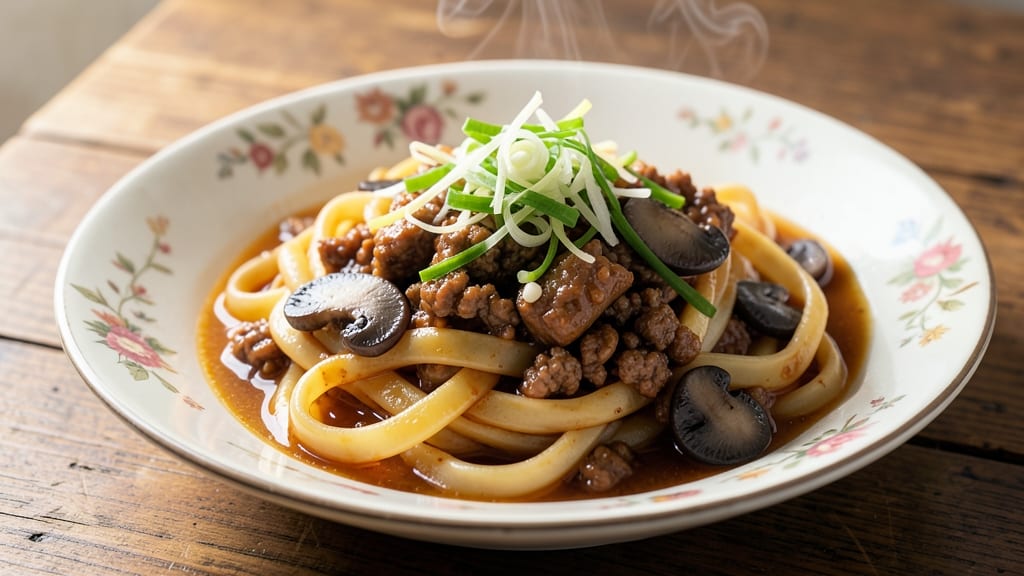
This slippery pot pie noodle recipe brings the comforting essence of Chinese home cooking to your table, where tender egg noodles glide effortlessly through rich, savory broth. 🌟 The secret lies in boiling the noodles until they reach that signature slippery texture—al dente yet silky—while the surrounding ingredients transform into a harmonious, hearty dish.
I developed this recipe after years of perfecting the balance between chewy noodles and perfectly seasoned broth, ensuring every bite delivers that restaurant-quality experience at home.
The magic begins with high-quality egg noodles, which are boiled until they achieve that signature slippery consistency, neither too soft nor too firm. While the noodles cook, pork, mushrooms, and vegetables simmer in a fragrant broth infused with ginger, garlic, and soy sauce, creating layers of flavor that meld beautifully.
The dish is traditionally served in a pot or deep bowl, allowing the noodles to absorb the rich, aromatic broth as you eat, making it both comforting and deeply satisfying.
What you’ll end up with is a dish that’s as visually appealing as it is delicious—golden-brown pork, earthy mushrooms, and vibrant vegetables all nestled among silky noodles in a fragrant, savory broth.
This recipe is perfect for a cozy family dinner or a gathering with friends, offering a taste of home-cooked Chinese comfort without the fuss. The key is patience and attention to detail, ensuring every element comes together in perfect harmony.
Serve this dish piping hot, with extra broth for dipping or to pour over the noodles as you eat. The slippery texture of the noodles paired with the rich, flavorful broth makes this dish a true crowd-pleaser, one that will leave everyone asking for seconds.
Let’s get started on creating this timeless comfort food masterpiece.
Ingredients for slippery pot pie noodle
Pantry staples meet fresh market finds for this restaurant-quality Chinese comfort dish.
| Ingredient | Amount | Notes |
|---|---|---|
| Egg Noodles 🍜 | 8 oz | Fresh or dried, high-quality |
| Ground Pork 🐷 | 1 lb | Lean or fatty, your choice |
| Shiitake Mushrooms 🍄 | 8 oz | Fresh or dried, sliced thin |
| Green Onions 🧅 | 4 whole | White and green parts separated |
| Garlic Cloves 🧄 | 6 cloves | Minced for aromatic depth |
| Fresh Ginger 🌿 | 1 ½ tbsp | Grated, for zesty kick |
| Light Soy Sauce 🥄 | ½ cup | For umami depth |
| Sesame Oil 🫒 | 1 tbsp | Toasted for nutty aroma |
| Vegetable Oil 🫒 | 2 tbsp | For high-heat cooking |
| Cornstarch 🌾 | 1 tbsp | For thickening broth |
| Chicken Broth 💧 | 4 cups | Homemade or quality store-bought |
| Salt 🧂 | 1 ½ tsp | Adjust to taste |
| White Pepper 🌶️ | ½ tsp | For subtle heat |
The egg noodles are non-negotiable—fresh is best, but dried works if you're in a pinch. I grab mine from the Asian market section at Whole Foods or Trader Joe's—they've got the perfect balance of chew and silkiness. If you can't find fresh, dried egg noodles from Martaban are my backup. The pork? Any cut works, but ground pork with a bit of fat gives that rich flavor without drying out. For mushrooms, shiitake has that earthy depth, but cremini or oyster mushrooms work too if that's what's on sale.
No fresh ginger? Substitute with 1 tsp ground ginger, but trust me on the fresh version—it's worth the grating. Running low on sesame oil? Toasted peanut oil gives a similar nutty punch. The soy sauce can be tamari for gluten-free, but Kikkoman light soy is my go-to. For extra richness, add 1 tbsp oyster sauce (vegan version if needed). The cornstarch is key for that perfect silky broth—don't skip it! And if you're using dried noodles, soak them in warm water for 10 minutes first to get them started.
This dish tastes even better the next day—reheats beautifully with a splash of water. Store leftovers in the fridge for 3-4 days or freeze for up to 3 months. Pro tip: Double the recipe—it disappears fast. I always make extra broth to freeze in ice cube trays for future quick meals. The noodles? Cook them just before serving so they stay slippery, not mushy.
Why You'll Love This Recipe
- No Chopping Chaos: I swear by this one—just dice the mushrooms and slice the green onions while the pork sizzles. No finicky prep, no measuring cups cluttering your counter. Honestly, I’ve made it after work with a glass of wine in hand and still had time to fold laundry.
- Umami Bomb Combo: That ground pork and shiitake mushrooms? They’re a flavor powerhouse. The mushrooms soak up the garlic like a sponge, and the egg noodles? They turn silky-smooth, clinging to every savory bite. (Yes, even my picky teenager finishes his bowl.)
- Lunchbox Hero: Between us, this is my go-to for meal prep. Toss the leftovers into a thermos, and it stays hot for hours. Pack it for work or school—no sad, soggy sandwiches here. My daughter actually asks for it on Fridays.
- Budget-Friendly Feast: Ground pork stretches miles, mushrooms add depth without cost, and egg noodles? Cheap and filling. I feed four people for under $10, and we’re all full and happy. Not the prettiest, but the taste makes up for it every time.
Step-by-step instructions for silky egg noodles that glide through gravy
Here's how to make noodles so smooth they'll disappear in your first bite.
🍳 Step 1: Cook the Egg Noodles to Al Dente Perfection
Bring a large pot of water to a rolling boil and add the 8 oz egg noodles. Cook for 1 minute less than the package instructions—these noodles need to finish cooking in the hot broth later. I like to pull them out when they're still slightly firm to the bite, around 2-3 minutes total. This ensures they absorb the rich flavors without becoming mushy.
While they cook, prepare an ice bath in a large bowl filled with cold water. Once the noodles reach al dente, drain them immediately and transfer to the ice bath for 30 seconds. This stops the cooking process and prevents them from sticking together. Drain again and toss with 1 teaspoon of sesame oil to keep them silky and prevent clumping. Set aside—these noodles are ready to soak up all the flavor.
👨🍳 Step 2: Build the Savory Pork and Mushroom Base
Heat 2 tablespoons vegetable oil in a large wok or deep skillet over medium-high heat. Add the 1 lb ground pork, breaking it up with a wooden spoon, and cook until golden brown and fully cooked through, about 5-6 minutes. The pork should release its fat naturally—don't drain it, as this fat will flavor your dish.
Push the pork to one side of the pan and add 1 tablespoon vegetable oil if needed. Add the 8 oz shiitake mushrooms (sliced thin) and cook for 4-5 minutes until they release their moisture and turn golden. Stir in the 6 cloves minced garlic and 1.5 tablespoons grated fresh ginger, cooking for 30 seconds until fragrant. You're building layers of flavor here—the mushrooms add earthiness, while the garlic and ginger bring brightness.
🥘 Step 3: Create the Silky Gravy
Pour in the 4 cups chicken broth and bring to a gentle simmer. Add the 0.5 cup light soy sauce, 1.5 teaspoons salt, and 0.5 teaspoon white pepper, stirring to combine. Let it simmer for 5 minutes to allow the flavors to meld. Taste and adjust seasoning—this is your flavor base, so get it right now.
In a small bowl, whisk together the 1 tablespoon cornstarch with 2 tablespoons cold water until smooth. Slowly pour this mixture into the simmering broth while stirring constantly. The sauce will thicken beautifully, creating that perfect slippery consistency we're after. Keep stirring until it reaches a light, glossy texture—it should coat the back of a spoon but still be pourable.
🍽️ Step 4: Assemble and Finish
Add the drained egg noodles to the wok and toss gently to coat them evenly in the silky gravy. The residual heat will finish cooking the noodles perfectly while they absorb the rich flavors. If the sauce seems too thick after tossing, add 1-2 tablespoons hot broth to loosen it up.
Garnish with the 4 whole green onions (sliced thin) and drizzle with an extra ½ teaspoon sesame oil for that final nutty aroma. Serve immediately while the noodles are hot and slippery—each bite should feel like velvet through gravy. The secret? Keeping everything hot and moving quickly so the noodles maintain their silky texture.
Pro Tips For Making Slippery Pot Pie Noodle
- STIR THE PORK LOW AND SLOW: I learned this the hard way—cranking the heat for ground pork turns it rubbery. Cook it on medium-low, stirring every 30 seconds until it loses its raw color, then bump to medium to crisp the edges. The goal? Juicy, tender pork that doesn’t turn to mush when the noodles get added later.
- SOAK THE MUSHROOMS FIRST: Fresh shiitake mushrooms release their umami like a waterfall if you don’t prep them right. Tear them into thirds, then soak in warm water for 10 minutes—this mellows their texture and concentrates their flavor. Drain and pat dry before cooking, or your broth will turn into soup.
- DON’T BOIL THE NOODLES TO DEATH: Overcooked egg noodles turn to glue, and no one wants a slippery pot pie that’s basically a puddle. Cook them al dente (1-2 minutes less than package instructions), then shock them in ice water to stop cooking. They’ll finish absorbing flavor in the pan—firm but tender, not mushy.
- SAUTE THE GARLIC LAST: Garlic burns faster than a bad date, and once it’s blackened, it ruins the whole dish. Add the minced cloves with the green onions in the final 30 seconds of cooking—just enough to perfume the oil without turning it bitter. (Yes, even if you’re impatient like me.)
Regional styles of this dish
Northern Chinese Style
In Beijing and Tianjin, slippery pot pie noodles are often served in a deep clay pot with a thicker, heartier broth that's slightly sweetened with a touch of rock sugar or brown sugar.
The noodles here are typically wider and chewier, cooked until they have that signature slippery texture but still hold their shape. I like to add dried tangerine peel (½ tsp) to the broth for a subtle citrus aroma that brightens the dish.
Serve with pickled vegetables on the side for that classic Northern Chinese contrast. 🌟
Southern Chinese Adaptation
Down in Guangdong and Fujian provinces, the dish becomes lighter and more aromatic, with less pork and more seafood like shrimp or squid. The broth is lighter in color and often infused with star anise or white peppercorn for depth.
I swap the mushrooms for baby bok choy or Chinese broccoli and finish with a splash of Shaoxing wine (1 tbsp) for complexity. Garnish with cilantro instead of green onions for that Southern herbal note. 🌿
Hong Kong Street Food Twist
Hong Kong-style versions are all about bold, concentrated flavors in a smaller, more intense portion. The noodles are extra slippery, almost like glass noodles, and the broth is thicker and richer, often with pork ribs instead of ground pork.
I like to add fermented black beans (2 tbsp) for umami and top with crispy fried shallots for texture. Serve in steaming bowls with a side of chili oil for dipping—this is how you eat it on the streets of Kowloon. 🔥
Taiwanese Home-Style
In Taiwanese homes, this dish is a weeknight staple with homestyle touches that make it extra comforting. The noodles are softer and silkier, almost like egg noodles cooked in broth rather than boiled separately.
The broth is simpler but deeper, with more ginger and garlic and a hint of white pepper. I add dried shiitake mushrooms (soaked and sliced) for extra umami and finish with a drizzle of chili crisp for heat.
It's the kind of dish you'd find at your ah-ma's (grandma's) table. 💛
Modern Fusion Approach
For a contemporary twist, I love adding miso paste (1 tsp) to the broth for a Japanese-inspired depth, then topping with soft-boiled quail eggs and microgreens. Swap the pork for ground chicken or tofu for a lighter version, and use vegetable broth instead of chicken.
Garnish with toasted sesame seeds and pickled ginger for a fusion of East Asian flavors that still feels authentic. Perfect for when you want to elevate the classic without losing its soul. ✨
Nutrition facts
Frequently asked questions
Why are these noodles called "slippery"?
The signature texture comes from cooking the egg noodles until they're al dente but silky—not mushy, not firm, but perfectly balanced. The cornstarch-thickened broth then finishes cooking them just enough to create that signature slippery glide through each bite. Think of it like velvet through gravy!
Can I make this vegetarian?
Swap the pork for extra-firm tofu (pressed and cubed) or mushrooms for a meaty texture. Use vegetable broth instead of chicken broth and add 1 tbsp miso paste for umami depth. The noodles and broth will still shine as the star.
What's the secret to keeping the noodles slippery after cooking?
Three key steps:
- Undercook the noodles by 1 minute (they'll finish in the hot broth),
- Shock them in ice water immediately to stop cooking, and
- Toss with sesame oil before adding to the broth. Never overcrowd the pot when boiling—this prevents sticking. The residual heat in the broth will gently finish them while keeping that perfect texture.
Can I prepare this ahead of time?
Yes! Make the broth and protein mixture up to 2 days ahead and store in the fridge. Keep the noodles separate until serving—cook them fresh in boiling water for just 2-3 minutes (they'll finish in the hot broth). Reheat the broth mixture gently, then toss in the freshly cooked noodles. For extra flavor, add a splash of hot water to loosen the sauce.
What if my broth is too thick or too thin?
For thicker broth: Simmer uncovered for 2-3 extra minutes to reduce. For thinner broth: Stir in 1-2 tbsp hot water or broth at a time until it reaches your desired consistency. The cornstarch mixture should create a glossy, pourable sauce—not gluey. If it's too thick after tossing with noodles, add a splash of hot water directly to the pot.