
Desserts
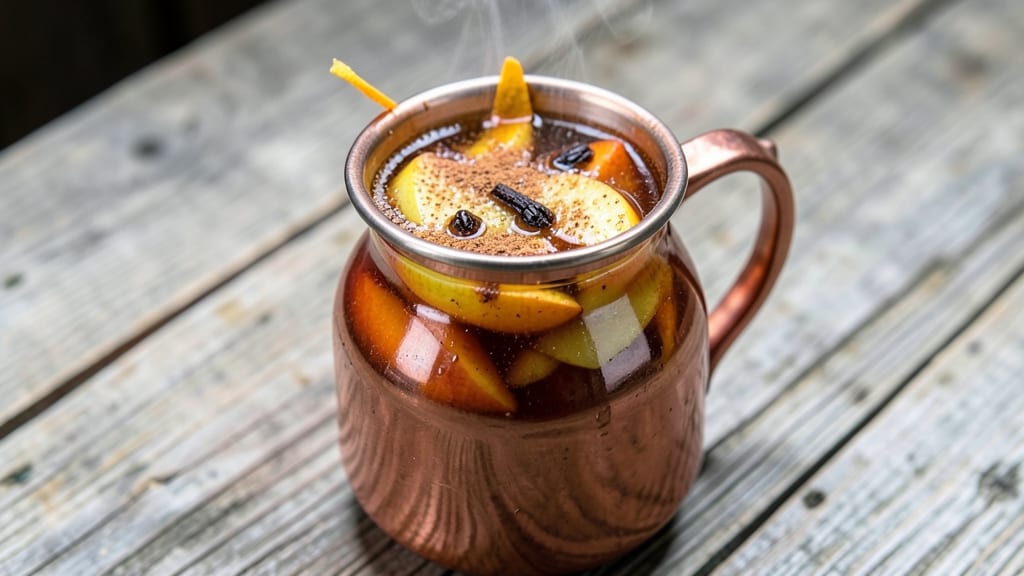
This small batch apple pie moonshine recipe transforms autumn's finest flavors into liquid gold—warm cinnamon, caramelized apples, and a whisper of vanilla that dances on your tongue. 🍂 The process starts with fresh apples, simmered into a spiced mash before fermentation captures that signature pie aroma.
What makes this recipe special is the balance: rich enough to stand alone, but versatile enough to complement your favorite dessert—especially that apple pie you just baked.
The magic happens in three distinct stages: first, creating a concentrated apple-cinnamon mash that forms the spirit's soul; second, a controlled fermentation that develops depth without overpowering the fruit; and third, careful aging to smooth out any harshness while enhancing those caramel notes.
Unlike commercial liqueurs, this method lets you control every spice and sweetness level, ensuring each batch tastes like it came from your grandmother's kitchen—just with a stronger kick.
What you'll end up with is a bold, spiced moonshine that carries all the comfort of apple pie in every sip—warm, aromatic, and just sweet enough to make your taste buds sing.
The caramel undertones develop beautifully over time, rewarding patience with a spirit that's perfect for sipping neat, mixing into cocktails, or even drizzling over fresh pie for an unexpected twist. Safety is paramount, so we'll cover proper distillation techniques and legal considerations upfront.
This isn't just a recipe—it's an experience that turns seasonal produce into something extraordinary. Whether you're crafting for a special occasion or simply love the art of small-batch spirits, the process is as rewarding as the final product. Let's get started on creating your own batch of liquid autumn magic.
Ingredients for small batch apple pie moonshine
Fresh apples, warm spices, and a touch of autumn magic—here's what transforms your kitchen into a moonshine alchemy lab.
| Ingredient | Amount | Notes |
|---|---|---|
| Fresh Apples (Granny Smith or Honeycrisp) 🍎 | 2 lb | Peeled, cored, chopped into small pieces |
| Granulated Sugar 🍚 | 1 ½ cups | White or light brown preferred |
| Ground Cinnamon 🌿 | 2 tbsp | Ceylon preferred for subtle flavor |
| Vanilla Extract 🍯 | 1 tbsp | Pure alcohol-free preferred |
| Whole Cloves 🌶️ | 4 whole | Lightly crushed for aroma |
| Orange Peel 🍊 | 1 tbsp | Finely grated, organic preferred |
| Active Dry Yeast 🍞 | ¼ oz | Or 1 packet instant yeast |
| Distilled Water 💧 | 2 cups | Filtered or spring water |
| Cornmeal 🌾 | 2 tbsp | For fermentation vessel coating |
| Unsalted Butter 🧈 | 1 tbsp | For aging vessel coating |
| Pure Vodka (95% ABV) 🍸 | 1 cup | For fermentation boost (optional) |
| Apple Cider Vinegar 🍶 | 1 tbsp | For fermentation pH balance |
| Food-Grade Barley Malt 🌾 | ½ cup | For secondary fermentation |
The apples are non-negotiable—Granny Smith or Honeycrisp hold their structure through the mash, while organic apples from a local orchard add complexity. Whole Foods or Trader Joe's often carry pre-washed organic varieties, but a quick stop at a roadside stand in apple season is ideal. For the cinnamon, Ceylon has a subtler flavor than regular cassia, but either works. The yeast is the unsung hero here—Lalvin EC-1118 (available online) gives a clean fermentation, but your basic active dry yeast will do in a pinch. Pro tip: Toast your yeast in the oven for 10 minutes at 120°F to activate it before adding to the mash—it ferments faster and more reliably.
No Ceylon cinnamon? Regular ground cinnamon works fine, just use a bit more. Running out of vanilla extract? Vanilla bean paste at half the amount adds those little black specks that scream 'homemade.' The vodka is optional but recommended—it kickstarts fermentation and ensures a smoother final product. Everclear or Svedka are both great choices. For the orange peel, if you can't find organic, peel a conventional orange and wash it thoroughly to remove any wax. The barley malt is key for the secondary fermentation—it adds depth and helps develop those caramel notes that make this taste like liquid pie. Brewers supply stores or online homebrew shops carry it in small quantities.
This mash keeps for 3-4 days in the fridge before fermentation, but start it as soon as possible for best flavor. The yeast packet says to use it within 6 months—check your stash before starting. Once fermented, the liquid needs 6-8 weeks of aging in a dark place (like your pantry) for those caramel notes to develop fully. I use glass mason jars for aging—they're food-safe and let you see the color development. The butter coating on the aging vessel? Don't skip it—it prevents the alcohol from absorbing into the wood or plastic, preserving those delicate apple flavors.
Why You'll Love This Recipe
- No Pits, No Stress: I’ll be real—peeling and coring apples is a chore. This recipe lets you use pre-sliced apples (or even frozen) and skip the mess. Just toss them in, add the spices, and let the slow cooker do the work while you sip coffee.
- Spice Magic: That first sip of warm moonshine with cloves and cinnamon? It’s like autumn in a glass. The Granny Smiths stay tart, the sugar caramelizes just enough, and the vanilla pulls it all together—no pie crust, no fuss, just pure spiced apple joy.
- Weeknight Hero: Between us, I make this when I’m too tired for pie but still crave something cozy. It’s ready in under an hour, pairs perfectly with vanilla ice cream, and even my picky teenager asks for seconds. (Yes, even on a Tuesday night.)
Step-by-step instructions for crafting apple pie moonshine
Transform fresh apples into bold, spiced moonshine with this small-batch method.
🍳 Step 1: Prepare the Apple Mash and Spice Base
In a large pot, combine the 2 lb chopped fresh apples (Granny Smith or Honeycrisp), 1.5 cups granulated sugar, 2 tbsp ground cinnamon, 4 lightly crushed whole cloves, and 1 tbsp finely grated orange peel. Cook over medium heat for 15-20 minutes, stirring occasionally, until the apples break down into a thick, fragrant mash with a syrupy consistency.
Here's the thing—you want a balance between sweetness and tartness. Taste as you go; if the mixture tastes too tart, add 1-2 tablespoons more sugar. The spices should infuse deeply, filling your kitchen with warm apple-pie aromas. Once cooked, remove from heat and stir in the 1 tbsp vanilla extract. Let this mixture cool to room temperature—this prevents shocking the yeast later.
🍺 Step 2: Activate the Yeast and Begin Fermentation
While the apple mixture cools, dissolve the 0.25 oz active dry yeast in 1 cup of the 2 cups distilled water in a separate container. Add 1 tbsp apple cider vinegar to help lower the pH slightly—this prevents bacterial contamination. Once the apple mixture reaches room temperature (around 75°F), pour it into a sanitized fermentation vessel (like a food-grade bucket) and add the yeast mixture.
Stir gently to combine, then cover the vessel with a fermentation lock or clean cloth secured with a rubber band. Place in a warm, dark spot (70-75°F) for 24-48 hours. You'll know fermentation is working when you see bubbles forming and a slight apple aroma develops. If it doesn't bubble after 48 hours, add another 0.25 oz yeast and wait another 24 hours. Patience here ensures a clean, flavorful ferment.
🥘 Step 3: Boost with Vodka and Barley Malt
After fermentation, strain the liquid through a fine-mesh sieve or cheesecloth into a clean vessel, pressing gently on the solids to extract all the liquid. To this strained liquid, add the 1 cup pure vodka (95% ABV) and 0.5 cup food-grade barley malt. The vodka acts as a natural preservative and adds depth, while the barley malt kickstarts secondary fermentation, enhancing the caramel notes.
Stir well to dissolve the barley malt completely. Coat the inside of your fermentation vessel with 2 tbsp cornmeal and 1 tbsp unsalted butter—this prevents sticking and adds a subtle richness. Cover again and let ferment for another 7-10 days, stirring gently every 2-3 days to keep the solids suspended. The mixture should develop a deeper amber color and a complex, spiced apple aroma.
⏰ Step 4: Age for Maximum Flavor Development
Once fermentation slows (bubbling decreases significantly), strain the liquid again through a fine-mesh sieve into a sanitized glass jar or food-grade plastic container. Discard the solids. Seal the jar tightly and store in a cool, dark place (60-65°F) for at least 3 months, but up to 6 months for richer flavors. The longer it ages, the smoother and more complex the moonshine becomes.
During aging, the flavors meld and the alcohol content stabilizes. Check the progress monthly by tasting a small amount—you'll notice the caramel and spice notes deepen over time. If you're impatient, you can speed up aging by adding 1 oz oak chips to the jar, but traditional aging yields the best results. Once aged to your liking, strain again through a coffee filter for clarity, if desired.
Pro Tips For Making Small Batch Apple Pie Moonshine
- PEEL THE CORES: Don’t waste time peeling apples—just quarter them, core them, and leave the skin on for texture and flavor. Granny Smiths hold up better with skin, while Honeycrisp’s natural sweetness shines even more with it intact.
- SWEAT THE APPLES FIRST: Toss sliced apples with sugar and cinnamon, then let them sit uncovered for 10 minutes before cooking. This jumpstarts the caramelization and prevents a watery filling—trust me, your pie will thank you.
- SPICE THE CLOVES RIGHT: Whole cloves lose their punch if boiled too long—drop them in last for 5 minutes, then fish them out with tongs. Overcooking turns them bitter, and you’ll be left with a filling that’s just cinnamon-heavy.
- CHILL THE FILLING: After mixing, refrigerate the apple filling for at least 30 minutes before baking. Cold filling thickens properly, prevents a soggy crust, and lets flavors meld—yes, even if you’re eager to pop it in the oven.
Storing and reheating this recipe
Refrigerator Storage
Your freshly fermented apple pie moonshine can stay in the fridge for up to 7 days before aging, but I recommend starting the aging process as soon as possible to preserve those vibrant apple and spice flavors.
Store the liquid in a sanitized glass jar with an airtight lid—Mason jars work perfectly—and keep it in the coldest part of your fridge. The cool temperature slows fermentation, preventing over-carbonation while maintaining freshness. Label it clearly with the date to track your aging timeline! 🧊
Freezer Storage
For short-term storage before aging, you can freeze the moonshine in food-safe plastic containers or glass jars (leave ½-inch headspace for expansion). Freeze for up to 3 months, though I don’t recommend it long-term—freezing can alter texture and flavor subtly. Thaw in the fridge overnight before proceeding with aging.
If you’re prepping for a holiday gathering, this is a great way to have your moonshine ready when you need it. Just remember: never freeze in metal containers—they can react with the alcohol. ❄️
Reheating Fermented Mash
If you need to pause fermentation (say, you’re mid-process and life gets busy), you can reheat the mash to 75°F to restart fermentation. Use a double boiler or slow cooker on low heat—never microwave, as it can kill the yeast.
Stir gently and monitor the temperature with a thermometer to avoid overheating. Once it reaches the ideal range, cover and let it ferment as before. This trick saves your batch if you need a short break! 🔥
Aging in the Pantry
After fermentation, your moonshine needs 3-6 months of aging in a cool, dark pantry (ideally 60-65°F). Store it in amber glass bottles or food-grade plastic containers—glass preserves flavor better but plastic is more budget-friendly.
Check monthly by tasting a small amount; you’ll notice the caramel and spice notes deepen over time. If you’re in a hurry, add 1 oz oak chips to the jar for a 2-3 week boost in flavor complexity. Patience here makes all the difference! 🌟
Serving After Aging
Once aged, your moonshine is ready to enjoy! Serve it chilled or at room temperature—I like mine slightly chilled for cocktails. For a pie-inspired twist, drizzle a small amount over fresh apple slices or warm cinnamon rolls.
If you’re feeling fancy, mix it with vanilla ice cream for a boozy dessert. Always store the bottle in a cool, dark place after opening to preserve freshness. 🍂
Long-Term Bottling
For bottles you plan to keep beyond a few weeks, use airtight glass bottles with vacuum seals if possible. Store them in a dark cabinet or cellar—light and heat degrade flavor over time.
If you notice any off smells (like vinegar or nail polish), discard it immediately—those are signs of contamination. Properly stored, your moonshine can last years, though the flavor peaks at 6-12 months for optimal enjoyment. 💫
Nutrition facts
Frequently asked questions
Can I use store-bought apple pie filling instead of fresh apples?
While it's possible, fresh apples make all the difference! Store-bought filling often contains thickeners and preservatives that can alter the fermentation process and final flavor. If you must use it, opt for unsweetened, no-added-sugar pie filling and reduce the sugar in the recipe by ½ cup. The texture will be thinner, so you may need to add 1 tbsp cornstarch to help with clarity during aging.
How do I know when fermentation is complete?
Fermentation is done when bubbling slows dramatically (after 7-10 days) and the liquid becomes clear with minimal sediment. Taste a small amount—it should be slightly sweet with apple and spice notes, but not overly tart. If it smells like vinegar or nail polish, fermentation went wrong. For a quick test, use a hydrometer to check alcohol content: it should be around 10-12% ABV after secondary fermentation.
Is this moonshine safe to drink without distillation?
No, this recipe produces a fermented liquid (around 5-7% ABV) that is not safe to drink without distillation. Fermentation alone doesn't produce the high-proof spirit called moonshine. Distillation is required to concentrate the alcohol and remove impurities. Always follow local laws—homemade distillation is illegal in many places without proper licensing. If you're unsure, consult a local distillery for guidance on legal methods.
Can I adjust the sweetness level for a drier or sweeter taste?
For a drier taste, reduce the sugar by ½ cup and add 1 tbsp lemon juice to balance. For extra sweetness, increase sugar by ½ cup and add ½ tsp vanilla bean paste for depth. Remember, aging in oak (like charred oak chips) can add subtle sweetness over time. Taste during fermentation to adjust—you can always add more sugar later, but you can't remove excess sweetness.
What's the best way to serve this moonshine?
Serve it chilled in small glasses (like a 2-3 oz pour) for sipping neat, or use it as a base for cocktails. Try mixing with ginger beer and lime for a spiced apple fizz, or drizzle over warm apple crumble for a dessert twist. For a pie-inspired drink, muddle fresh apple slices with cinnamon, add ice, and pour over the moonshine. Always store opened bottles in the fridge to preserve freshness.