
Main Courses
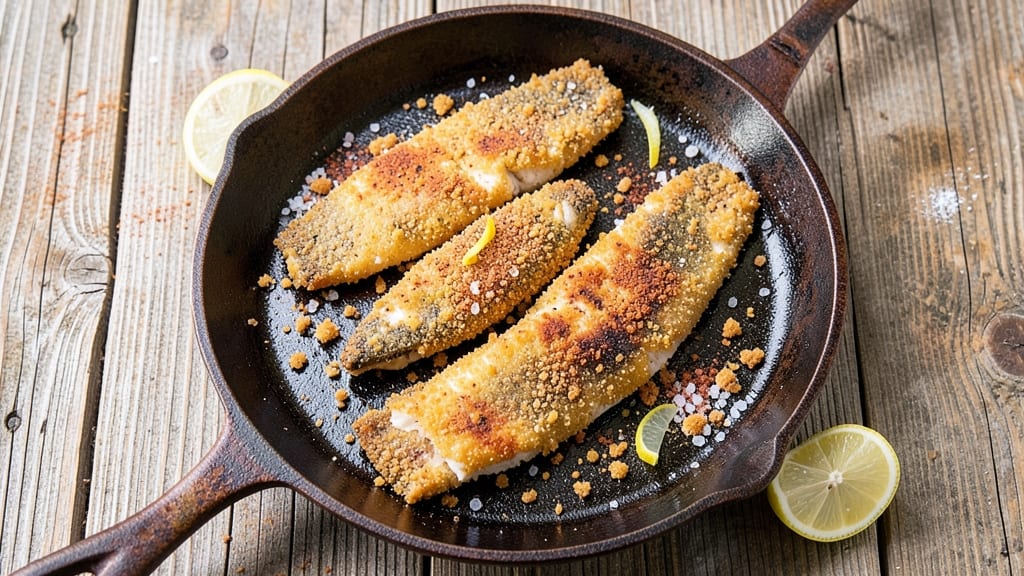
This Southern fried crappie recipe delivers the crispy crust and flaky fillets that define Southern comfort food. The secret lies in double-dredging the fish—a technique that creates a golden, shatterproof crust while keeping the inside tender.
I've perfected this method over years of weekend fishing trips, where the sizzle of hot oil and the aroma of frying fish always brought everyone running to the table.
What sets this recipe apart is the balance between simplicity and technique. You'll need just a few pantry staples—flour, cornmeal, and spices—but the double-dredging process transforms ordinary fish into restaurant-quality bites.
The key is patience: letting the fish cook slowly in hot oil ensures the crust stays crispy without overcooking the delicate fillets inside.
By the time you plate these golden, crispy fillets with their flaky centers, you'll have a dish that tastes like a classic Southern diner. The perfect pairing? A side of tangy coleslaw or buttery hushpuppies to soak up every last bit of that golden crust.
This recipe isn't just about the fish—it's about recreating that nostalgic, satisfying meal you've been craving.
Ready to fry up a batch that'll have your family asking for seconds? The process is straightforward, but the results are pure Southern magic. Let's get started—your taste buds (and that cast-iron skillet) will thank you.
Ingredients for southern fried crappie
Simple pantry staples and fresh fish create Southern fried crappie with a golden crust and tender fillets.
| Ingredient | Amount | Notes |
|---|---|---|
| Fresh Crappie Fillets 🐟 | 1 ½ lb | Skin-on, boneless, 6-8 fillets |
| All-Purpose Flour 🌾 | 1 cup | White flour, sifted for light crust |
| Fine Cornmeal 🌽 | ½ cup | For extra crunch, not meal |
| Salt 🧂 | 1 ½ tbsp | Diamond Crystal preferred |
| Ground Black Pepper 🌶️ | 1 tsp | Freshly cracked for bite |
| Paprika 🌶️ | 1 tsp | Smoked for Southern flavor |
| Garlic Powder 🧄 | ½ tsp | For subtle depth |
| Vegetable Oil 🫒 | 2 cups | High smoke point, like Crisco |
| Lemon Wedges 🍋 | 4 whole | For serving, fresh squeezed |
| Unsalted Butter 🧈 | 2 tbsp | Melted for basting |
| Fresh Parsley 🌿 | ¼ cup | Chopped, for garnish |
The fish is everything here. Grab whole crappie from your local seafood counter—they'll fillet it fresh, or do it yourself with a sharp knife. Look for fillets with even thickness (about 1/2-inch) so they cook uniformly. If you're fishing season, fresh-caught is ideal, but frozen works too—just thaw overnight in the fridge. The key is pat them dry before dredging: any moisture ruins the crispy crust. I always buy extra—these disappear fast at our house.
No cornmeal? Extra flour or crushed cornflakes work in a pinch, but the texture won't be quite the same. Short on paprika? Cayenne at half the amount adds heat, or skip it entirely. The oil is non-negotiable—use vegetable or peanut oil (high smoke point, no funny flavors). If you've got leftover oil from frying, strain it and reuse it for the next batch—it gets richer with each fry. For the crust, sifted flour is crucial (no lumps!), and the cornmeal gives that signature Southern crunch. The lemon wedges? Meyer lemons if you can find them—they're sweeter and brighter.
Keep the fish in the fridge until ready to fry—no more than 2 hours before cooking. The oil stays hot for about 10 minutes after frying, so work quickly. Leftover fish? Store in an airtight container with paper towels underneath to absorb grease—keeps for 1 day. For next-day reheating, toaster oven at 375°F for 3-4 minutes revives the crisp. The crust gets soggy if microwaved, so don't even try it. Make extra crust mix—it freezes well for 3 months in a sealed bag.
Why You'll Love This Recipe
- I’ll be real: fresh crappie is often cheaper than store-bought fillets, and a batch of these feeds four for under $15. Plus, leftovers reheat like a dream in a skillet with a splash of butter.
- Three-Ingredient Crunch: Honestly, I swear by this combo—flour, cornmeal, and a pinch of pepper. That crispy crust stays perfect every time, no fancy seasoning blends needed.
- Weeknight Hero: Between us, this is my go-to when I’m staring at the fridge wondering what to make. Pat the fillets dry, dredge, fry, and boom—dinner’s ready while the kids finish their homework.
- Tailgate Ready: Here’s what sold me—it’s the ultimate crowd-pleaser. Serve it with hushpuppies or a simple lemon wedge, and you’ve got a dish that’ll disappear at any cookout or family gathering.
Step-by-step instructions for Southern fried crappie
Here's how to get that perfect golden crust and tender fillets every time.
Prepare the Breading Station
In a large bowl, whisk together the 1 cup all-purpose flour, 0.5 cup fine cornmeal, 1.5 tbsp salt, 1 tsp ground black pepper, 1 tsp paprika, and 0.5 tsp garlic powder. The cornmeal gives that extra crunch Southern fried fish is known for. I like to sift the flour first for a lighter, more even coating—this prevents lumps in the crust.
Set up your breading station with three shallow dishes: one for the flour mixture, one for beaten eggs (if using—though this recipe skips them for extra crispiness), and one for the dry breading. This keeps everything organized and prevents cross-contamination. Work quickly once the fish hits the oil to maintain that crisp texture.
Heat the Oil and Season the Fillets
Pour the 2 cups vegetable oil into a deep skillet or Dutch oven and heat over medium-high heat until it reaches 350°F—use a deep-fry thermometer for accuracy. The oil should shimmer but not smoke excessively. While it heats, pat the 1.5 lb fresh crappie fillets completely dry with paper towels. Moisture is the enemy of crispy crusts.
Season both sides of each fillet generously with additional salt and pepper. I press down firmly to ensure the seasoning sticks. Arrange the fillets on a wire rack set over a baking sheet—this prevents soggy bottoms while they wait for the oil. The fish should come to room temperature while the oil heats, about 10 minutes.
Create the Perfect Crust
Working in batches to avoid overcrowding, lightly coat each fillet with the flour mixture. Press gently to adhere the breading evenly—don't skip this step or the crust will fall off. Let the floured fillets rest for 2 minutes while you prepare the next batch. This allows the flour to slightly absorb moisture and create a better bond.
Carefully lower the fillets into the 350°F oil, working in batches of 2-3 pieces at a time. The oil should sizzle immediately. Fry for 3-4 minutes per side until the crust turns a deep golden brown. You'll see tiny bubbles form along the edges—that's your signal the crust is forming properly. Use tongs to flip gently—don't press down or the crust will break.
Finish with Butter and Lemon
Transfer the fried fillets to a paper towel-lined plate to drain excess oil. Immediately add the 2 tbsp unsalted butter to the hot skillet and swirl to coat the bottom. Let it melt completely, about 30 seconds, then carefully pour this buttery oil over the fillets. This bastes them with rich flavor and keeps the crust crisp.
Serve immediately with the 4 whole lemon wedges and sprinkle each fillet with the 0.25 cup chopped fresh parsley. The lemon cuts through the richness while the parsley adds a bright finish. For extra flakiness, let the fish rest for 2 minutes before serving—this helps the crust set while keeping the inside tender.
Pro Tips For Making Southern Fried Crappie
- Pat the fillets DRY: I learned this the hard way—wet skin means a soggy crust. Grab paper towels and press hard on both sides of each fillet, even if it feels excessive. The extra 30 seconds now saves you from a greasy, uneven coating later.
- Use a 50/50 flour mix: Equal parts all-purpose flour and fine cornmeal gives that perfect crispy-yet-light texture. Skip the cornmeal entirely, and you’ll get a heavier, denser crust. My grandmother swore by this ratio, and she was right: it’s the thing that matters most for Southern-style fried fish.
- Fry in small batches: Crowd the pan, and your crappie will steam instead of sizzle. Two fillets at a time in about 2 tablespoons of hot oil (350–365°F) guarantees a golden crust without burning. Yes, it takes longer, but trust the process—your future self will thank you.
- Season the oil: A pinch of salt and a crack of black pepper in the hot oil before frying adds flavor without overpowering the fish. I was skeptical until I tried it: the crust gets a subtle kick, and the fish doesn’t taste like plain flour. Works every time.
Creative variations of this dish
Spicy Cajun Twist
For a Louisiana-inspired variation, add 1 tbsp Cajun seasoning (like Tony Chachere's) and ½ tsp cayenne pepper to your flour mix. This brings bold heat and smoky depth that pairs perfectly with the crispy crust.
Serve with a side of cornbread muffins to balance the spice. I like to add a pinch of filé powder (dried ground sassafras) for an authentic Cajun touch—just ½ tsp enhances the flavor without overpowering.
Honey Mustard Glaze
After frying, brush the fillets with a mix of 2 tbsp honey, 2 tbsp Dijon mustard, and 1 tbsp apple cider vinegar. This sweet-tangy glaze adds a Southern-inspired twist that cuts through the richness.
Warm the glaze gently in a small saucepan before brushing—just 1 minute over low heat. Garnish with chopped scallions for extra freshness.
Blackened Style
For a restaurant-quality blackened crust, mix 1 tsp smoked paprika, ½ tsp garlic powder, ½ tsp onion powder, and ½ tsp dried thyme into your flour blend. After frying, transfer the fillets to a broiler-safe dish and broil for 1-2 minutes to create a charred, crispy finish.
Serve with a side of garlic aioli for dipping—this combo is a crowd-pleaser at seafood boils.
Cajun Cornmeal Crust
Swap out the regular cornmeal for ½ cup yellow cornmeal and ½ cup white cornmeal, then add 1 tsp Cajun seasoning and ½ tsp dried parsley to the flour mix. This variation gives the crust a nutty, slightly sweet flavor with a hint of spice.
Fry the fillets as usual, but keep an eye on them—the cornmeal burns faster than regular flour, so watch for golden-brown perfection.
Lemon Pepper Crunch
For a bright, citrusy twist, replace the paprika with 1 tbsp lemon zest and 1 tsp lemon pepper seasoning (like McCormick's). The zest infuses the crust with fresh lemon flavor, while the pepper adds a subtle kick.
Serve with extra lemon wedges and a sprinkle of coarse sea salt for a restaurant-worthy finish. This variation is perfect for spring and summer gatherings.
Nutrition facts
Frequently asked questions
Why does my fried crappie crust keep falling off?
The most common reason is moisture—either from wet fillets or not pressing the breading firmly enough. Always pat the fish bone-dry with paper towels before dredging, and press the flour mixture onto each fillet so it sticks. Another trick? Let the floured fillets rest for 2 minutes before frying—this helps the crust adhere better. If you're in a hurry, skip the rest time but work extra gently when handling.
Can I use frozen crappie fillets instead of fresh?
Yes, but thaw them properly first! Place the frozen fillets in a sealed bag and submerge in cold water for 15-20 minutes until they're pliable but still slightly icy. Finish thawing in the fridge for 1-2 hours before cooking. Never microwave—it makes the fish mushy. Pat them completely dry after thawing, just like fresh fillets, to ensure a crispy crust.
What's the best oil for frying crappie?
Use vegetable oil or peanut oil—both have high smoke points (400°F+) and stay stable during frying. Avoid olive oil (low smoke point) or butter (burns easily). For extra flavor, save and reuse the oil for up to 3 batches—it gets richer with each fry! Just strain it after each use to remove breading debris.
How do I keep the fish from sticking to the skillet?
Heat the oil to 350°F and make sure it's shimmering but not smoking—this creates a protective barrier. Use a wire basket fryer if you have one, or work in small batches (2-3 fillets at a time) in a heavy skillet like cast iron. Never overcrowd the pan, or the oil temperature will drop and the fish will steam instead of fry.
What's the secret to extra-crispy crust?
Double-dredging is key! After coating the fish in flour, dip it in beaten eggs (if using), then coat it in flour again. Let the fillets rest for 2 minutes between each coat so the flour absorbs moisture. Fry in batches and keep the oil at 350°F—any hotter burns the crust, any cooler makes it greasy. For restaurant-style crispiness, finish with 2 tbsp melted butter poured over the hot fillets right after frying.