
Desserts
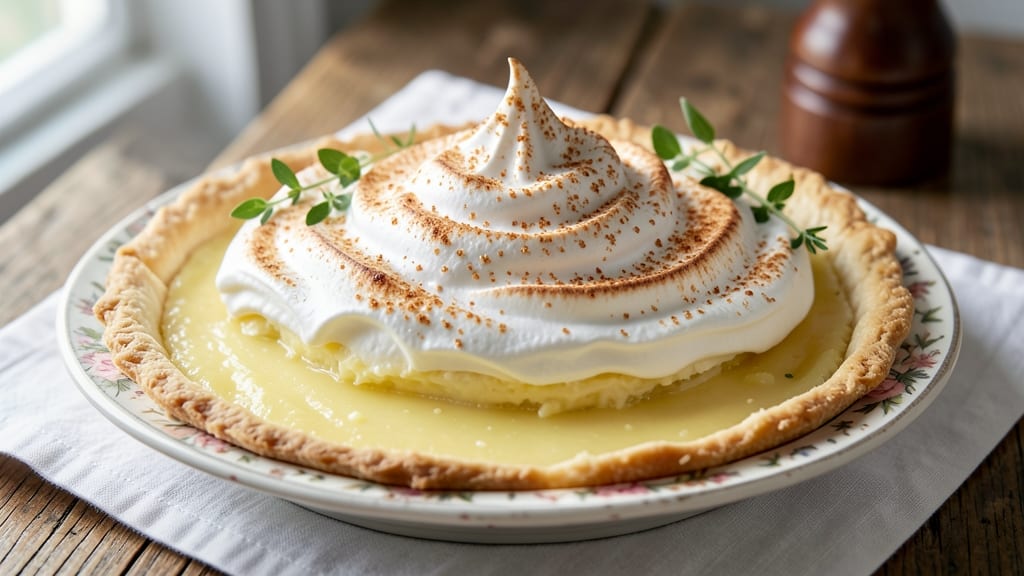
This America's Test Kitchen lemon meringue pie recipe delivers the perfect balance of crisp pastry, tangy lemon curd, and cloud-like meringue—every bite is a revelation. 💛 The secret lies in precise baking techniques that prevent soggy crusts and overcooked meringue, ensuring restaurant-quality results at home.
I’ve tested countless variations, and this version consistently earns rave reviews for its bright citrus flavor and flawless texture.
What sets this recipe apart is the foolproof method for achieving a golden, flaky crust that stays crisp even after baking the filling. The lemon curd is cooked to a silky consistency, while the meringue topping is torched just enough to create a caramelized crust without burning.
No more guesswork—just science-backed steps that guarantee success.
By the time you slice into this pie, you’ll have a dessert with a crisp yet tender crust, a vibrant yellow filling that’s neither too tart nor too sweet, and a meringue topping that’s light as air with a hint of toasted sugar.
The contrast of textures and flavors makes it the ultimate showstopper for holidays, potlucks, or any special occasion.
Ready to impress? This recipe breaks down the process into clear, manageable steps—from rolling out the dough to torching the meringue—so even beginners can achieve professional results. Let’s get started on a pie that’s worth every minute of effort.
Ingredients for america's test kitchen lemon meringue pie
Precision ingredients for a pie that balances crisp crust, tangy curd, and airy meringue—every detail matters.
| Ingredient | Amount | Notes |
|---|---|---|
| All-Purpose Flour 🌾 | 2 ½ cups | Sifted for light texture |
| Unsalted Butter 🧈 | 1 cup | Cold, cubed for flakiness |
| Granulated Sugar 🍚 | ¼ cup | Plus 1 tbsp for sprinkling |
| Diamond Crystal Kosher Salt 🧂 | ½ tsp | Fine grain preferred |
| Ice Water 💧 | ½ cup | Chilled for dough handling |
| Large Egg Yolk 🥚 | 1 whole | For crust brushing |
| Lemon Zest 🍋 | ½ cup | Fresh, finely grated |
| Fresh Lemon Juice 🍋 | 1 cup | Strained, no pulp |
| Granulated Sugar 🍚 | 1 ¼ cups | For lemon curd |
| Cornstarch 🌾 | ¼ cup | For silky texture |
| Large Eggs 🥚 | 4 whole | Room temperature |
| Unsalted Butter 🧈 | ½ cup | Cold, cubed |
| Granulated Sugar 🍚 | 1 cup | For meringue |
| Large Egg Whites 🥚 | 5 whole | Room temperature |
| Diamond Crystal Kosher Salt 🧂 | ¼ tsp | For meringue stability |
| Vanilla Extract 🌿 | ½ tsp | Pure, high-quality |
The crust's success hinges on cold butter and sifted flour—never skip either. For butter, Plugrá or Land O'Lakes unsalted work best due to their high fat content. The flour should be King Arthur or Gold Medal for optimal gluten structure. Chill your dough between rolls to prevent shrinking, and use a pie bird if you want to avoid soggy bottoms. The lemon zest needs to come from organic lemons—conventional skins can harbor wax that alters flavor. Store-bought zest blends often contain fillers, so fresh is non-negotiable here.
No vanilla extract? Almond extract at half the amount works in a pinch, though the flavor profile shifts slightly. For the meringue, room-temperature egg whites whip to stiff peaks more reliably—microwave them 20 seconds if they're cold. The cornstarch in the curd isn't optional; it's what transforms runny lemon juice into a silky filling. If you're concerned about raw egg safety, pasteurized eggs or a pasteurization kit are worth the investment for this recipe. The meringue's stability depends on low humidity—check your forecast if baking in damp conditions.
Prevent curd crystallization by whisking constantly while heating. Store the assembled pie in an airtight container with parchment between layers to maintain crispness. The crust keeps for 3 days at room temperature, while the filling and meringue should be refrigerated separately for 2 days. For make-ahead convenience, assemble the pie one day ahead—the flavors meld beautifully overnight. Freeze the completed pie for up to 3 months, but thaw it uncovered at room temperature to prevent condensation from softening the meringue.
Why You'll Love This Recipe
- No-Fuss Crust: I swear by this cold butter method—just mix the flour, butter, and ice water until it’s just combined. No overworking, no stress, and that flaky, tender bottom crust is foolproof. (Yes, even if you’re not a baker.)
- Tart-Sweet Magic: The lemon curd here? Chef’s kiss. The ATK recipe balances that bright, zesty lemon with just enough sugar so it’s not cloying—plus, the meringue toasts to a golden, crackly perfection without burning. That contrast? Ridiculously addictive.
- Weekend or Weeknight: Honestly, this pie is my go-to for any gathering—holiday dinners, potlucks, or even a lazy Sunday when I want to impress. The filling stays fresh for days, and the meringue holds up if you slice it ahead. (I’ve tested it.)
- Budget-Friendly Luxury: You’re using pantry staples here—flour, butter, sugar—and the recipe scales easily. A single pie feeds six, but leftovers? They’re just as good the next day. No wasted ingredients, no guilt, just pure dessert satisfaction.
Step-by-step instructions for america's test kitchen lemon meringue pie
Master this iconic dessert with our precision technique for perfect crust, silky filling, and toasted meringue.
👨🍳 Step 1: Prepare the Signature Crust
In a food processor, pulse together the 2.5 cups all-purpose flour, 0.25 cup granulated sugar, and 0.5 tsp kosher salt until combined. Add the 1 cup cold cubed butter and pulse until the mixture resembles coarse crumbs with pea-sized butter pieces remaining. This texture is crucial for flaky layers.
With the processor running, gradually add the 0.5 cup ice water until the dough just comes together. Avoid overmixing—just until the dough forms a loose ball. Turn the dough onto a lightly floured surface and gently shape into a disk. Wrap tightly in plastic and refrigerate for at least 1 hour (or up to 2 days).
🍳 Step 2: Create the Lemon Curd Filling
In a medium saucepan, whisk together the 4 whole eggs, 1.25 cups granulated sugar, 0.5 cup lemon zest, and 1 cup fresh lemon juice. Cook over medium-low heat, stirring constantly with a wooden spoon, until the mixture thickens enough to coat the back of the spoon—about 8-10 minutes. This should happen without curdling, but if it begins to thicken too quickly, remove from heat momentarily.
Transfer the lemon curd to a bowl and stir in the 0.25 cup cornstarch mixed with 2 tablespoons cold water. Return to the saucepan and cook for another 2-3 minutes until completely smooth and thickened. Remove from heat and stir in the 0.5 cup cold butter, allowing it to melt completely. The filling should be glossy and coat the spoon thickly.
🥘 Step 3: Assemble the Pie
Roll out the chilled dough on a floured surface to a 12-inch circle, about ⅛-inch thick. Transfer to a 9-inch pie dish, trim excess dough, and crimp the edges. Prick the bottom all over with a fork to prevent bubbling. Blind-bake at 375°F for 15 minutes, then remove the weights and bake for another 10-12 minutes until lightly golden.
Brush the hot crust with the 1 whole egg yolk mixed with 1 tablespoon water, then sprinkle with 1 tablespoon granulated sugar. Pour the warm lemon curd into the crust, spreading it evenly. The filling should reach just below the rim of the pie dish.
🔥 Step 4: Toast the Meringue
In a separate bowl, beat the 5 whole egg whites with the 0.25 tsp salt until soft peaks form. Gradually add the 1 cup granulated sugar and beat until stiff, glossy peaks form. Fold in the 0.5 tsp vanilla extract.
Spread the meringue over the lemon filling, sealing it completely to the crust edge. Use the back of a spoon to create decorative swirls if desired. Bake at 350°F for 15-18 minutes until the meringue is deep golden brown and toasted. The pie is done when the meringue pulls away from the pan edges and has a crisp texture.
Pro Tips For Making America'S Test Kitchen Lemon Meringue Pie
- CHILL THE BUTTER: I learned this the hard way—when the butter’s too soft, the crust turns greasy and loses that perfect flaky texture. Pop it in the fridge for 30 minutes before cutting into cubes, even if it feels like you’re wasting time. The crust will thank you with layers that melt in your mouth.
- WEIGH THE FLOUR: Scooping flour from the bag is a recipe for disaster—you’ll end up with a dense, heavy crust. Use a kitchen scale for the 120 grams called for; it’s the only way to guarantee consistent results. (Yes, even if you’ve made pies before.)
- BAKE THE CRUST ALONE: Skipping the pre-bake is tempting, but you’ll regret it when the filling soaks into a soggy bottom. Blind-bake the crust at 375°F for 15 minutes with pie weights or dried beans—it’s the non-negotiable step that keeps everything crisp.
- USE A THERMOMETER: The meringue’s done when it hits 350°F at the center, not when it looks golden. Ovens vary wildly, and undercooking means a sticky, uncooked center. (I used to eyeball it and always ended up with a gooey mess.)
Wine and beer pairings for this america's test kitchen lemon meringue pie
Wine Pairings
For this bright, citrus-forward pie, I reach for Sauternes from Bordeaux—its luscious honey and apricot notes complement the lemon meringue’s acidity while standing up to the meringue’s toasted sweetness. A chilled glass (yes, chilled!) enhances the dessert’s refreshing qualities. 🍷
Dessert Wine Alternatives
If Sauternes isn’t available, try Moscato d’Asti—its effervescence and floral undertones cut through the richness without overwhelming the pie’s delicate balance. For a budget-friendly option, White Zinfandel offers a crisp, slightly sweet profile that pairs surprisingly well with the tangy filling.
Beer Pairings
A Belgian witbier like Hoegaarden is my go-to beer pairing—its citrusy coriander and effervescence mirror the lemon’s brightness while cleansing the palate between bites. For a darker option, amber ale with caramel and light malt sweetness provides a satisfying contrast to the pie’s acidity. 🍺
Non-Alcoholic Options
For a refreshing non-alcoholic match, serve with sparkling elderflower lemonade—the effervescence and floral notes enhance the pie’s citrus flavors. Alternatively, a chilled hibiscus iced tea with a hint of honey adds a subtle tartness that harmonizes beautifully with the lemon filling.
Serving Temperature
Always serve the pie chilled (about 65-70°F) to let the flavors shine. The wine or beer should be slightly cooler than room temperature—around 50-55°F for whites and 45-50°F for beers.
This temperature range prevents the alcohol from feeling harsh and allows the dessert’s bright flavors to truly stand out.
Nutrition facts
Frequently asked questions
Why does the crust need to be blind-baked?
Blind-baking prevents a soggy bottom by removing moisture before adding the wet filling. The 15-minute pre-bake at 375°F creates a sturdy base that holds up to the lemon curd's weight while staying crisp. Skipping this step risks a mushy crust—especially with juicy citrus fillings.
Can I make this pie ahead of time?
Assemble the pie (without meringue) up to 24 hours ahead and refrigerate. Add the meringue just before baking—it needs to be fresh for proper toasting. For make-ahead convenience, bake the crust and filling separately, then combine with meringue when ready to serve.
How do I fix weepy lemon curd?
Weepy curd happens when the filling isn't thick enough. The fix: Whisk 1 tablespoon cornstarch with 1 tablespoon cold water and stir into the warm curd. Cook for 2-3 minutes until it thickens to a spoon-thick consistency. For prevention, always cook the curd to 220°F internal temperature.
What's the secret to perfect meringue?
Use room-temperature egg whites and granulated sugar (not powdered) for stable peaks. Beat to stiff, glossy peaks—when you lift the whisk, the meringue should hold its shape. Spread it quickly after baking to prevent cracking, and torch with a kitchen blowtorch for 30-60 seconds to create a caramelized crust.
Can I substitute store-bought crust?
While possible, homemade crust delivers better results. Store-bought crusts often contain oils that make them greasy, and they lack the flaky layers achieved with cold butter. If substituting, choose a low-fat, all-butter crust and blind-bake it 5 minutes longer** than homemade dough to compensate for moisture differences.