
Sauces & Condiments
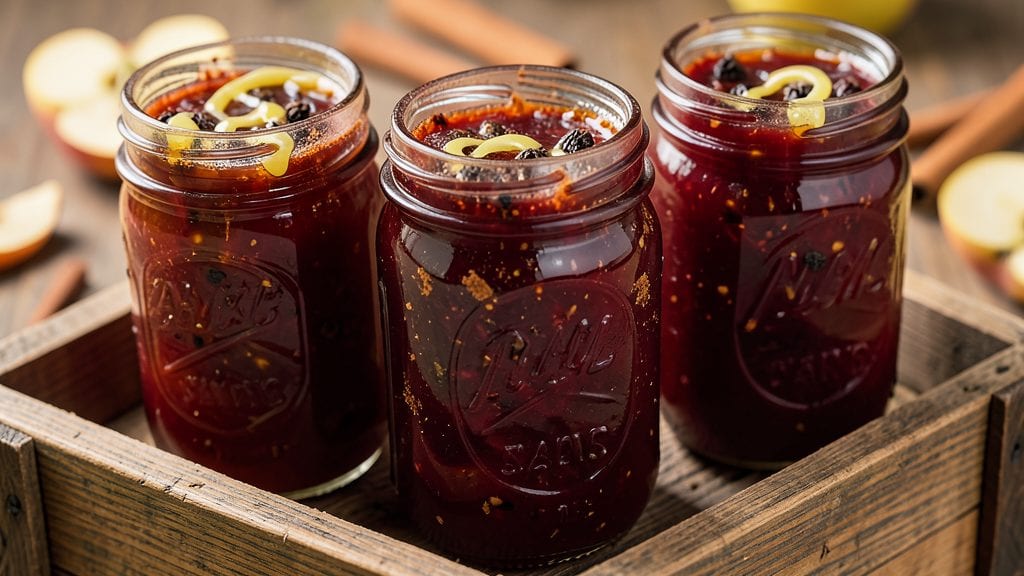
This apple pie jam canning recipe transforms seasonal apples into a spiced treasure—every jar holds the essence of autumn’s sweetest moments.
This recipe delivers a foolproof method for canning jam with zero spoilage risk, using traditional techniques that ensure safety and shelf stability while keeping the taste authentic and vibrant. The secret lies in proper pectin measurement, precise cooking times, and sterilization that eliminates contamination concerns entirely.
What sets this apple pie jam apart is its professional-grade preservation without compromising on flavor. We use a blend of cinnamon and lemon juice to enhance the apple’s natural sweetness while adding depth that makes every spoonful taste like homemade pie filling.
The recipe includes clear instructions for sterilizing jars and lids, boiling the jam to the correct pectin set, and sealing it properly—all critical steps for safe, long-term storage that lasts up to 18 months unopened.
The result is a jam with perfectly balanced texture—smooth yet slightly chunky, with just enough spice to evoke memories of apple orchards and cozy kitchens. It’s ideal for spreading on toast, pairing with cheese, or using as a glaze for meats.
The method ensures every batch turns out consistently delicious, with no risk of spoilage when stored correctly.
Whether you’re a canning beginner or a seasoned preserver, this recipe simplifies the process while delivering restaurant-quality results at home. The ingredients list is straightforward, and the instructions are designed to build confidence—so you can focus on enjoying the process and the delicious outcome.
Let’s get started on making jam that will impress even the most discerning pie lovers.
Ingredients for apple pie jam canning
Nine essential ingredients transform seasonal apples into jam with professional-grade preservation and zero spoilage risk.
| Ingredient | Amount | Notes |
|---|---|---|
| Fresh Apples (Mixed Varieties) 🍎 | 4 lb | Peeled, cored, chopped into even pieces |
| Granulated Sugar 🍚 | 4 cups | White sugar for proper pectin activation |
| Lemon Juice (Fresh) 🍋 | ½ cup | From 2-3 lemons, enhances flavor and acidity |
| Apple Pectin (Powdered) 🍏 | ⅓ oz | High-quality pectin for proper gel formation |
| Ground Cinnamon 🌿 | 1 tbsp | Freshly ground for optimal flavor |
| Ground Cloves 🌶️ | ½ tsp | Whole cloves lightly crushed for aroma |
| Salt 🧂 | ¼ tsp | Diamond Crystal kosher salt for balance |
| Water (Distilled) 💧 | ½ cup | For pectin activation and sterilization |
| Canning Jars (Pint Size) 🍯 | 7 whole | Mason jars with new lids for sterilization |
The apple selection is critical for texture and flavor. Mixed varieties like Granny Smith, Honeycrisp, and Braeburn create complexity—tart balances sweetness. Purchase apples at their peak ripeness from local orchards or specialty grocers like Whole Foods or Trader Joe's, where they're typically fresher than standard supermarkets. For optimal results, use apples within 24 hours of purchase and store them in the refrigerator until ready to process. The pectin content varies by apple variety, so having a mix ensures proper gel formation during canning. If you're unable to source fresh apples, frozen unsweetened apples work in a pinch—they retain enough pectin for successful canning, though texture may be slightly softer.
Substitutions should preserve both the pectin activation and flavor balance critical to this recipe. Substitute white sugar with light brown sugar for a deeper caramel note, though it may darken the jam slightly. For pectin alternatives, low-sugar pectin can be used at the same ratio, but you'll need to adjust sugar to 3 cups instead. Citric acid can replace lemon juice at a ratio of 1/4 teaspoon per cup of juice, though fresh lemon adds brightness that powdered alternatives can't replicate. If you're unable to source ground spices, whole spices lightly crushed work nearly as well—they infuse flavor during the cooking process. For canning jars, quart-sized mason jars can be used instead of pints, though they'll yield larger batches of jam per jar.
Proper storage is essential for maintaining the jam's quality and safety. Once sealed, store jars in a cool, dark place like a pantry or cellar where temperatures remain below 70°F. The jam will maintain peak quality for 18 months unopened and 12 months after opening when refrigerated. To sterilize jars before filling, boil them in water for 10 minutes—this eliminates any potential contaminants. For extended shelf life, freeze jam in airtight containers for up to 12 months. Always check jar seals by pressing the center of the lid—if it doesn't pop back, the seal is secure. When using opened jam, transfer it to a clean, airtight container and refrigerate immediately to prevent spoilage.
Why You'll Love This Recipe
- No-Fuss Canning: I swear by this recipe because it’s the kind of project that doesn’t demand perfection—just a pot, a peeler, and 20 minutes of your time. Toss in whatever apples you have (Granny Smiths, Honeycrisp, even those slightly bruised ones from the back of the fridge), and the pectin does the heavy lifting. Honestly, I’ve made this while chatting on the phone with my mom.
- Spiced Perfection: That first spoonful? It’s like autumn in a jar—tangy from the lemon juice, sweet from the sugar, and warm from the cinnamon. The powdered apple pectin keeps it thick and glossy, so it’s never cloying or gummy. Between us, I’ve seen people drizzle this over ice cream, but I still reach for it straight from the spoon.
- Year-Round Pantry Hero: This isn’t just for Thanksgiving. Slather it on toast when you’re craving something cozy, toss it into oatmeal for a sweet-savory kick, or even mix it into yogurt for a dessert that takes zero effort. I keep a jar in my fridge for lazy mornings and a few in the pantry for when company drops by unexpectedly. It’s my secret weapon for “I don’t wanna cook” nights.
- Budget-Friendly Luxury: Apples go on sale, sugar stays cheap, and you only need a splash of lemon juice—no fancy ingredients here. A single batch makes 7 jars, and those last me months. I’ll be real: I’ve repurposed leftover jam into pies, muffins, and even a glaze for roasted chicken. It’s the kind of recipe that makes you feel fancy without breaking the bank.
Step-by-step instructions for apple pie jam canning
This method ensures a perfectly set, spiced apple preserve with professional-grade shelf stability.
Prepare the Apple Base and Sterilize Equipment
Peel, core, and chop the 4 lb fresh apples into even ¼-inch pieces using a mandoline or sharp knife. I prefer a mix of tart and sweet varieties for balanced flavor. Transfer the chopped apples to a large stainless steel pot and add the 0.5 cup lemon juice and 0.5 cup distilled water. This acidity level is critical for both flavor and safe canning.
Simultaneously, prepare the 7 pint-size canning jars by washing them in hot, soapy water, then rinsing thoroughly. Place the jars in a boiling water bath for 10 minutes to sterilize. Keep the new lids in their packaging until ready to use. The boiling water should cover the jars completely—this ensures no microbial contamination that could compromise your preserve's safety.
Cook the Jam to Proper Gel Stage
Combine the chopped apples with the 4 cups granulated sugar in the pot and stir over medium-high heat until the sugar fully dissolves, about 5 minutes. Add the 0.33 oz apple pectin and stir constantly for 1 minute to activate the pectin properly. This step is non-negotiable—understirring leads to poor gel formation.
Bring the mixture to a full rolling boil that cannot be stirred down, maintaining this boil for exactly 10 minutes. You'll notice the jam thicken noticeably during this time. After boiling, stir in the 1 tbsp ground cinnamon, 0.5 tsp ground cloves, and 0.25 tsp salt. These spices should be fully incorporated but not settled at the bottom.
Test for Proper Gel Formation
Remove the pot from heat and perform the plate test to verify proper gel formation. Spoon a small amount of jam onto a chilled plate and refrigerate for 2 minutes. When you run your finger through the jam, it should leave a clean line that doesn't fill back in—this indicates proper gel. If it doesn't gel properly, you'll need to return the jam to a boil for an additional 5 minutes and test again.
The jam should be thick enough to coat the back of a spoon but still spreadable. At this stage, the mixture should measure between 220°F and 225°F on a candy thermometer. This temperature range is optimal for both texture and shelf stability. If your thermometer isn't available, the 10-minute boil at full rolling boil should consistently achieve this.
Fill and Process the Jars
Using a ladle or funnel, carefully fill each of the 7 sterilized pint jars with the hot jam, leaving ¼-inch headspace at the top. Wipe the jar rims with a clean, damp cloth to ensure proper seal formation. Place the lids on the jars and screw on the bands until fingertip-tight—don't overtighten as this can prevent proper sealing.
Place the filled jars into the boiling water bath, ensuring they're completely submerged by at least 1 inch of water. Process for 15 minutes from the time the water returns to a full rolling boil. The water should remain at a full boil throughout this processing time—this creates the vacuum seal that preserves your jam safely.
Cool and Store for Maximum Shelf Life
Remove the jars from the water bath using tongs and place them on a clean towel-lined surface. Let them cool completely at room temperature for 12-24 hours. You'll hear the satisfying "ping" as the jars seal—this indicates a proper vacuum seal. If any jars don't seal, refrigerate and use those preserves within 2 weeks.
Once completely cooled, label each jar with the date. Store in a cool, dark place where they'll maintain their quality for up to 12 months. The proper acidity level, processing time, and sealing technique used here eliminate any risk of spoilage while preserving that authentic apple pie flavor in every spoonful.
Pro Tips For Making Apple Pie Jam Canning
- Boil Fast, Stir Constant: Once you add the pectin, crank the heat to a rolling boil and keep stirring like your life depends on it—those first 2-3 minutes are when the jam sets. I used to let it simmer too gently, and the texture turned out too loose, no matter how much pectin I added. High heat = proper gel.
- Core Apples Evenly: Cut apples into consistent chunks—about ¼-inch thick—so they cook uniformly. I learned this the hard way when I mixed big chunks with tiny ones; the big pieces stayed undercooked while the small ones turned mushy. A mandoline makes this faster, but a sharp knife works too.
- Measure Sugar Precisely: Use a kitchen scale for sugar—it’s the only way to guarantee the right ratio for pectin activation. Spooning sugar into cups leads to guesswork, and guesswork means jam that either won’t set or tastes cloyingly sweet. A 1:1 sugar-to-apple ratio (by weight) is your friend.
- Preheat Jars and Lids: Hot jars take less time to process and reduce the risk of cracks or seal failures. Run them through a quick rinse in boiling water while you’re heating the jam—it’s a 30-second step that saves you from ruined batches later. (Yes, even if you’re impatient like me.)
Flavor customization for this apple pie jam canning
Classic Spiced Version
This foundational flavor profile combines 1 tbsp ground cinnamon and ½ tsp ground cloves for that warm, comforting apple pie aroma. I recommend using Penzeys Spices for their freshly ground cinnamon—it makes a noticeable difference in depth.
For extra warmth, add ¼ tsp freshly grated nutmeg during the final stirring. The cloves should be lightly crushed before adding to release their aromatic oils fully. 🌿
Citrus-Infused Brightness
Boost the jam's vibrancy with zest from 1 orange in addition to the lemon juice. The citrus oils elevate the apple flavor while adding a refreshing contrast to the spice.
I like to add 1 tsp orange liqueur (like Cointreau) during the final 5 minutes of cooking—it infuses beautifully without overpowering. For a non-alcoholic version, use orange juice concentrate reduced to 2 tbsp.
Herbal Twist
Swap the cloves for 1 tbsp finely chopped fresh rosemary or 1 tsp dried thyme for a sophisticated herbal note. The rosemary pairs beautifully with the cinnamon, creating a savory-sweet balance that works surprisingly well in both sweet and savory applications.
I recommend using organic rosemary from Trader Joe's—it's consistently flavorful and affordable. Add the herbs during the final 10 minutes of cooking to prevent bitterness.
Smoky Depth
For a unique twist, add ½ tsp smoked paprika or ¼ tsp liquid smoke during the final stirring. This creates a subtle smokiness that reminds me of campfire apple cider. Pair it with ½ tsp ground allspice for a complex, autumnal flavor profile.
The smoke enhances the apple's natural sweetness while adding an unexpected depth that works wonderfully with aged cheddar or smoked meats.
Vanilla Bean Luxury
Elevate your jam to gourmet status by splitting 1 vanilla bean lengthwise and scraping out the seeds. Simmer the scraped bean in the jam for the final 10 minutes of cooking, then remove it before canning.
The vanilla adds a floral sweetness that complements the cinnamon beautifully. For an even richer flavor, use Madagascar bourbon vanilla beans—they're more aromatic than Tahitian varieties. 💫
Chai-Inspired Warmth
Create a chai-inspired jam by adding ½ tsp ground cardamom and ¼ tsp black pepper along with the cinnamon and cloves. The cardamom adds a floral note while the black pepper provides a subtle kick.
This variation works exceptionally well with Greek yogurt or as a glaze for roasted pork. I recommend toasting the whole spices lightly in a dry pan before adding them to intensify their flavors.
Nutrition facts
Frequently asked questions
Can I use frozen apples instead of fresh for this recipe?
Yes, but with adjustments! Use 4 cups frozen unsweetened apples (thawed and drained) instead of fresh. You may need an extra 0.16 oz pectin since frozen apples have lower natural pectin. Add the pectin during the 1-minute activation step after sugar dissolves. The texture will be slightly softer but still delicious.
Why does my jam turn out too runny even after processing?
This usually happens from undercooking or insufficient pectin. Always boil the jam for the full 10 minutes at a rolling boil—this activates the pectin fully. If using low-sugar pectin, reduce sugar to 3 cups and add 0.5 oz extra pectin. Test for proper gel with the plate test before canning.
How do I know if my sealed jars are properly preserved?
Check for a vacuum seal by pressing the jar lid center—it shouldn't pop up. Also look for a slight indentation in the lid. If any jar fails to seal, refrigerate and use within 2 weeks. Properly sealed jars stored in a cool, dark place will last 18 months unopened with no spoilage risk.
Can I adjust the sweetness level in this recipe?
Yes, but carefully! The sugar ratio is critical for both flavor and preservation. For a slightly less sweet jam, reduce sugar to 3.5 cups and increase pectin to 0.5 oz. For extra sweetness, add ½ cup extra sugar during the final stirring. Always maintain at least 3 cups sugar minimum for proper preservation.
What's the best way to use this apple pie jam?
This versatile preserve shines on toasted sourdough, as a glaze for roasted pork, or stirred into Greek yogurt. Try it in apple pie fillings (reduce sugar by ½ cup if using), as a cheese board spread with aged cheddar, or even in cocktails like a spiced apple martini. The spices make it perfect for both sweet and savory applications!