
Desserts
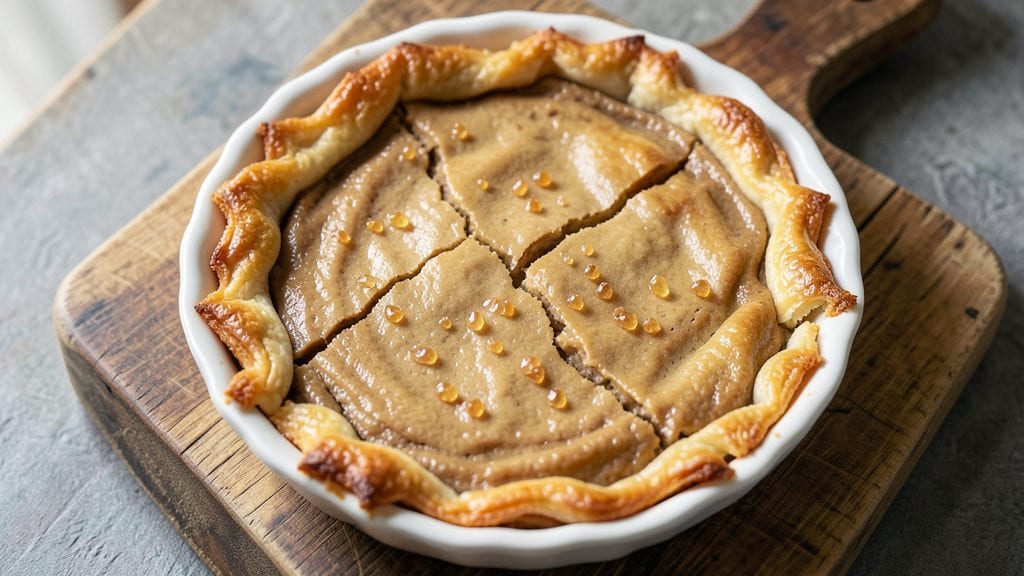
The easiest pie recipe you'll ever make eliminates the stress of rolling dough and delivers a perfect crust every time—no rolling pin required.
This method transforms simple ingredients into a golden, flaky crust in just 20 minutes, with a filling that's foolproof whether you choose fruit, custard, or savory options. I developed it after years of pie disasters, and it's now my go-to for weeknight desserts that impress without the fuss.
The secret lies in a no-roll crust technique that uses cold butter and minimal handling, ensuring crisp edges and a tender interior. You can use store-bought dough for even faster results, but the homemade version is surprisingly simple—just mix, press, and bake.
The filling comes together in one bowl, and the entire process stays under 45 minutes, including cooling time.
What you'll end up with is a pie that looks like it came from a bakery: a golden, lattice-topped crust filled with perfectly set filling, whether it's spiced apples, creamy pumpkin, or rich chocolate.
The best part? No soggy bottoms, no overworked dough, and no stress. This recipe is designed for beginners but delivers restaurant-quality results.
Perfect for holidays, potlucks, or a simple dessert night, this pie adapts to any occasion. Let's get started with a method that turns pie-making from intimidating to effortless—no experience required.
Ingredients for easiest pie
Cold butter, flour, and a splash of ice water—these simple staples create the perfect no-roll crust in record time.
| Ingredient | Amount | Notes |
|---|---|---|
| All-Purpose Flour 🌾 | 2 ½ cups | Sifted for light texture |
| Cold Unsalted Butter 🧈 | 1 cup | Cut into 1/2-inch cubes |
| Granulated Sugar 🍚 | ½ cup | For crust sweetness |
| Ice Water 💧 | ½ cup | Chilled for crisp crust |
| Large Egg 🥚 | 1 whole | For binding |
| Diamond Crystal Kosher Salt 🧂 | ½ tsp | Fine grain preferred |
| Black Pepper 🌶️ | ¼ tsp | Freshly ground |
| Vanilla Extract 🌸 | 1 tsp | Pure vanilla preferred |
| Heavy Cream 🥛 | 1 cup | Full-fat for richness |
| Large Egg Yolk 🥚 | 1 whole | For custard binding |
| Granulated Sugar 🍚 | ¾ cup | For custard sweetness |
| Cornstarch 🌽 | 2 tbsp | For thickening |
| Fresh Lemon Juice 🍋 | 1 tbsp | Brightens custard |
| Vanilla Bean Paste 🌸 | 1 tsp | Or 1/2 tsp pure vanilla |
| Salted Butter 🧈 | ½ cup | Cold, cubed for lattice |
The butter is non-negotiable—use cold, unsalted sticks straight from the fridge. Land O'Lakes or Plugrá brands stay firm longest. Cut those cubes evenly (about 1/2-inch each) so they melt uniformly. Flour? King Arthur or Gold Medal work best—they sift beautifully. Pro tip: chill your mixing bowl too. The dough comes together faster when everything's cold. And yes, you can use salted butter if you're in a pinch, but the flavor balance is better with unsalted.
No vanilla extract? Vanilla bean paste (the kind in jars) adds depth without extra effort. Running short on heavy cream? Whole milk plus 2 tbsp melted butter mimics the richness. The crust can be made 24 hours ahead—just wrap it tightly in plastic and refrigerate. For the custard, if you're allergic to eggs, aquafaba (chickpea brine) works at 3 tbsp per egg yolk, but it won't be as silky. The lemon juice? Freshly squeezed is best—bottled tastes flat. And if you're making a lattice, cut strips about 1/4-inch wide for that classic look.
This crust keeps 5 days wrapped in the fridge or 3 months frozen—just thaw overnight in the fridge. The custard filling? 3 days max in the fridge, but it reheats beautifully. For a make-ahead dessert, assemble the pie (without baking), cover, and refrigerate overnight. Bake straight from the fridge—no preheating needed. Leftovers? Slice and freeze portions for up to 2 months. Just reheat at 350°F for 15 minutes covered, then 5 minutes uncovered to crisp the top.
Why You'll Love This Recipe
- Five-Ingredient Magic: I swear by this—just flour, butter, sugar, ice water, and an egg. That’s it. No fussing with pie crust kits or rolling pins. The cold butter cuts into the flour like butter (literally), and the ice water keeps it from sticking while you mix. Honestly, I’ve made this blindfolded.
- Buttery Crisp Perfection: The secret’s in the cold butter—tiny flakes that melt into flaky layers when baked. That first bite? Crispy edges, tender center, and a sweetness that’s just right. No one will guess it’s this simple.
- Weeknight or Holiday Star: Same crust, endless fillings. Apple? Cherry? Sweet potato? You name it. I’ve used this for Thanksgiving dessert, potlucks, and even a quick berry pie for my book club. It’s the one recipe that never lets me down.
- Leftovers? No Problem: This crust holds up for days—great for making ahead. I’ll bake a double batch, freeze one, and pull it out whenever I need a dessert fix. Plus, the ingredients cost pennies compared to store-bought crusts. Budget-friendly and foolproof.
Step-by-step instructions for no-roll, no-fail crust in 20 minutes
This method transforms simple ingredients into a golden, flaky crust without rolling or stress.
Mix the Crust Dough to Perfect Consistency
In a large bowl, combine the 2.5 cups all-purpose flour, 0.5 tsp diamond crystal kosher salt, and 0.25 tsp black pepper. Whisk to remove lumps—this ensures an even texture throughout. Add the 1 cup cold unsalted butter, cut into ½-inch cubes, and use a pastry cutter or your fingers to work it into the flour until the mixture resembles coarse crumbs with pea-sized butter pieces remaining.
Here's the thing—cold butter is crucial. If it starts to melt, pop the bowl in the freezer for 2-3 minutes to firm it back up. This prevents a greasy crust. Once incorporated, drizzle in the 0.5 cup ice water and mix gently with a fork until the dough just comes together when pressed. It should hold when squeezed but still feel slightly dry—overmixing leads to a tough crust.
Assemble the Crust in a Pie Dish
Press the dough evenly into the bottom and about 1 inch up the sides of a 9-inch pie dish, using your fingers or a flat-bottomed glass to create an even layer. The key here is firm, even pressure—don't press too hard or the crust will shrink during baking. Once shaped, chill the crust in the freezer for 10 minutes while you prepare the filling. This step prevents shrinking when it hits the oven.
For the lattice top (the showstopper), roll out the remaining dough to about ⅛-inch thickness on a floured surface. Cut 10 strips about 2 inches wide, alternating between 3-inch and 4-inch lengths. Arrange them in a crisscross pattern over the filling, leaving a ½-inch border. Fold the excess dough from the sides inward to seal the lattice completely—this traps steam and creates that iconic flaky texture.
Bake the Crust to Golden Perfection
Preheat your oven to 375°F. Place a baking sheet on the lower rack to catch any drips. Brush the lattice top with a beaten large egg mixed with 1 tsp vanilla extract for a glossy finish. Sprinkle the 0.5 cup granulated sugar evenly over the lattice—this caramelizes beautifully during baking. Bake for 25-30 minutes until the crust is deep golden brown and the filling is set.
Here's where patience pays off: the crust should be crisp but not burnt. If the edges brown too quickly, cover them loosely with aluminum foil after 15 minutes. The filling is done when it jiggles slightly in the center but doesn't wobble—this ensures a creamy texture without being undercooked. Let the pie cool for 1 hour before slicing; this allows the filling to set properly and makes clean cuts.
Prepare the Creamy Filling (While Crust Bakes)
In a saucepan, whisk together the 1 cup heavy cream, 1 whole large egg yolk, 0.75 cup granulated sugar, 2 tbsp cornstarch, 1 tbsp fresh lemon juice, and 1 tsp vanilla bean paste. Cook over medium heat, stirring constantly, until the mixture thickens enough to coat the back of a spoon—about 5-7 minutes. Remove from heat and pour the filling into the pre-baked crust immediately.
This filling is the star of the show. The cornstarch ensures a silky texture, while the lemon juice brightens the sweetness. If you notice the filling starting to thicken too much while pouring, whisk in 1-2 tablespoons of ice water to loosen it slightly. The custard should be smooth, glossy, and just thick enough to hold its shape when the pie cools.
Pro Tips For Making Easiest Pie
- Cut Butter Fast: Use a food processor or stand mixer for 5-6 seconds—just until the butter looks like coarse sand. I learned this the hard way by hand-cutting and ending up with uneven crumb texture. (Yes, even if you’re impatient like me, resist the urge to overwork it.)
- Ice Water Only: Skip the tap water—ice water keeps the dough from melting too soon. I used room-temperature water once and ended up with a gummy mess. Measure it last, right before mixing, so it stays cold.
- Chill Between Rolls: Wrap the dough in plastic and refrigerate for 20 minutes after the first fold. This prevents shrinking when you roll it out later. I ignored this once and spent 10 minutes fixing a warped crust.
- Egg Wash Lightly: Brush the egg wash just on the edges and top—don’t drown it. Too much egg makes the crust soggy. A light coat gives enough shine without sacrificing texture. (Your future self will thank you.)
Dietary considerations for easiest pie
Gluten-Free Adaptation
Swap the all-purpose flour for a 1:1 gluten-free baking flour blend like King Arthur Measure for Measure or Bob's Red Mill 1-to-1. Add ¼ cup xanthan gum to the dough to mimic gluten's structure—this prevents shrinking.
Chill the crust 15 minutes extra since gluten-free dough is more fragile. For the filling, ensure your cornstarch is gluten-free (like Arrowhead Mills brand). 🌾
Dairy-Free Options
Replace the butter in the crust with cold coconut oil or Earth Balance vegan butter sticks. Use unsweetened almond milk instead of heavy cream in the filling—add 1 tbsp arrowroot powder extra for thickening.
For richness, stir in 2 tbsp melted coconut cream after cooking. The lattice will still crisp beautifully! 🥥
Lower-Sugar Version
Reduce the crust sugar to ¼ cup and use monk fruit sweetener (like Lakanto) instead of granulated sugar in the filling—it measures 1:1. Add ½ tsp cinnamon to the custard for warmth without extra sweetness. Top with fresh berries instead of sugar sprinkles for natural sweetness. 🍓
Nut-Free Considerations
Check your gluten-free flour blend for nut cross-contamination warnings. Use a dedicated rolling surface if also handling nuts. For the filling, ensure vanilla extract is nut-free (like McCormick Pure Vanilla). Substitute almond milk with oat milk if needed—it blends smoothly without altering texture. 🌰
Egg-Free Substitutes
Replace the egg in the crust with ¼ cup aquafaba (chickpea brine) mixed with 1 tbsp apple cider vinegar for binding. For the custard, use ¼ cup cornstarch slurry (mix cornstarch with cold water) instead of the egg yolk. The texture will be slightly denser but still creamy. 🥚
Nutrition facts
Frequently asked questions
Can I make this pie without a rolling pin?
The entire recipe is designed to skip the rolling pin! The crust uses a "press-and-chill" method where you shape the dough directly in the pie dish with your fingers or a flat-bottomed glass. The lattice strips are cut with a knife after rolling by hand on a floured surface—no specialized tools needed.
Why does the crust need to chill before baking?
Chilling prevents the crust from shrinking during baking, which would make it look messy. The 10-minute freeze firms up the butter and gluten, giving you crisp edges and a sturdy structure. Skipping this step often leads to a soggy or irregularly shaped crust—especially important for lattice designs.
What if my filling gets too thick while cooking?
Don't panic! Whisk in 1-2 tablespoons of ice water to loosen it slightly. The filling should be smooth and glossy, not pasty. If it's still too thick after adding water, return it to low heat for 30 seconds while stirring constantly—this often fixes the consistency without overcooking.
Can I use store-bought dough for a faster version?
For the crust, use 1 sheet of refrigerated pie crust (like Pillsbury) and press it into your dish. For the lattice, use ½ sheet cut into strips. The filling recipe remains exactly the same—this cuts prep time to just 15 minutes while keeping the same perfect results.
Why does my lattice keep falling apart?
This usually happens when the strips aren't cut evenly or the dough isn't chilled enough. Cut strips 1/4-inch wide and alternate lengths (3" and 4") for stability. Press the edges firmly against the sides of the pie dish before baking—this creates a secure base for the lattice pattern.