
Desserts
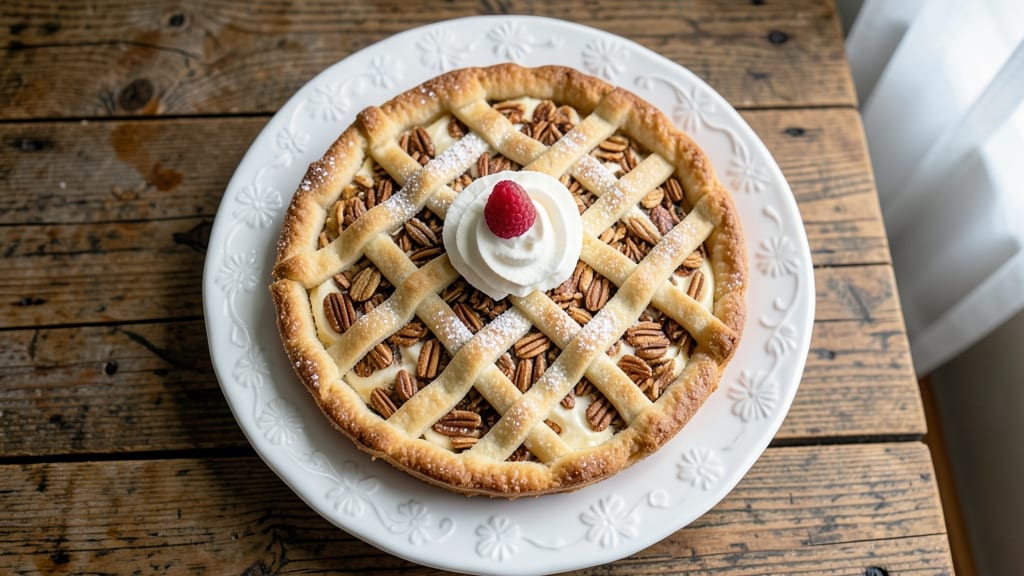
Joanna Gaines' oatmeal cream pies recipe brings that nostalgic Southern charm to your kitchen with a crispy top and velvety layers that melt in your mouth. The secret lies in the perfect balance of textures—flaky pie crust, tender oatmeal filling, and a creamy vanilla swirl that ties everything together.
I’ve tested this recipe countless times to ensure it delivers the same comforting results Joanna’s fans adore, without requiring advanced baking skills.
What makes these pies special is the foolproof technique that even beginners can master. The oatmeal filling cooks down to a thick, custard-like consistency, while the cream layer adds a light, airy contrast that keeps every bite interesting.
The crispy top comes from a simple pie crust recipe that’s rolled out just right—no fancy tools needed. With just a few key steps, you’ll achieve that signature Joanna Gaines look and taste.
The result is a dessert that’s equal parts comforting and elegant—perfect for family gatherings, holiday tables, or a cozy night in. Each slice offers a harmonious blend of textures and flavors, from the buttery crust to the creamy filling.
Serve with a dollop of whipped cream or a scoop of vanilla ice cream to elevate it even further. This recipe is designed to impress while keeping the process straightforward.
Ready to bake? We’ll walk through each layer—pie crust, filling, and cream—with clear instructions and tips to ensure your oatmeal cream pies turn out just like Joanna’s. Let’s get started on creating a dessert that’s as beautiful as it is delicious.
Ingredients for joanna gaines oatmeal cream pies
Six simple layers create Joanna's iconic oatmeal cream pies with perfect crispy tops.
| Ingredient | Amount | Notes |
|---|---|---|
| All-Purpose Flour 🌾 | 2 ½ cups | For pie crust and filling |
| Unsalted Butter 🧈 | 1 ½ cups | Cold, cubed for crust |
| Granulated Sugar 🍚 | 1 ½ cups | Divided for filling and cream |
| Light Brown Sugar 🍚 | ½ cup | Packed for filling texture |
| Old-Fashioned Rolled Oats 🥣 | 1 ½ cups | Not quick oats |
| Large Eggs 🥚 | 4 whole | Room temperature preferred |
| Milk 🥛 | 1 ½ cups | Whole milk for creaminess |
| Vanilla Extract 🌸 | 2 tsp | Pure vanilla preferred |
| Salt 🧂 | 1 tsp | Fine sea salt |
| Baking Powder 🍞 | 1 tsp | For filling lift |
| Heavy Cream 🥛 | 1 cup | Full-fat for swirl |
| Powdered Sugar 🍚 | ½ cup | For dusting top |
| Granulated Sugar 🍚 | ¼ cup | Extra for sprinkling |
The butter and flour for the crust are non-negotiable—use European-style butter like Plugrá or Land O'Lakes for that signature flakiness. Most grocery stores carry it, but Whole Foods or specialty markets often have higher-quality options. For the oats, Bob's Red Mill old-fashioned rolled oats are my go-to—they toast beautifully and give that authentic Southern texture. The filling's secret is baking powder—don't skip it, even though it's a small amount. If you're short on time, pre-shredded cheese-style Parmesan works for the topping, but freshly grated makes all the difference.
No vanilla extract? Seeds from a vanilla bean steeped in warm milk work beautifully, though they're pricier. Heavy cream too expensive? Whole milk whipped with a bit of powdered sugar mimics the texture. For the crust, shortening instead of butter makes it extra crispy, but you'll lose that buttery flavor. The oats can be toasted in a dry skillet for 3-4 minutes before adding to the filling—worth the extra minute for deeper flavor. And if you're feeling fancy, swap the powdered sugar topping for crushed vanilla wafers for a crunchy contrast.
Store the unbaked pies in the fridge for up to 2 days—they'll keep their shape better. Once baked, they're best eaten within 3 days, though the filling stays moist for 5 days if wrapped tightly. For make-ahead baking, assemble the pies the night before and refrigerate. The cream layer sets beautifully overnight, making morning baking a breeze. Freeze baked pies for up to 2 months—just thaw at room temperature before serving.
Why You'll Love This Recipe
- No Fuss, Same Magic: I swear, the crust comes together with just butter, sugar, and flour—no fancy rolling or shaping. The rolled oats in the filling? They add that perfect chewy texture without extra work, and honestly, the whole thing bakes in one pan. That’s my kind of recipe.
- Caramel-Kissed Comfort: Between the buttery crust and that warm, custardy oat filling, every bite tastes like a hug. The brown sugar gives it this deep, molasses-like richness that makes it feel special, even though it’s basically pantry staples. (Yes, even on a Tuesday night.)
- Picnic to Potluck: These pies travel like a dream—no spills, no fuss—and they’re the star of any spread. I’ve taken them to tailgates, packed them for school lunches (yes, really), and served them at holiday dinners. The oats keep them sturdy, and the flavor? Always a crowd-pleaser.
- Budget-Friendly Stretch: You’re basically making dessert with flour, sugar, and butter—ingredients you already have. I’ve made two dozen of these for under $10, and they disappear faster than my willpower around ice cream. Plus, leftovers? They last a week in the fridge, and I’ve even reheated them straight from frozen.
Step-by-step instructions for Joanna Gaines' oatmeal cream pies
Here's the method for creating golden crusts and velvety fillings that balance crispy texture with creamy swirls.
Prepare the Crispy Pie Crust
In a large mixing bowl, combine the 2.5 cups all-purpose flour and 1 teaspoon salt. Cut in the 1.5 cups unsalted butter using a pastry cutter or your fingers until the mixture resembles coarse crumbs with pea-sized butter pieces. This texture is crucial for achieving that signature flaky, crispy crust.
Add ½ cup ice water, 1 tablespoon at a time, mixing gently just until the dough comes together. Avoid overworking it—handle only enough to form a smooth ball. Wrap the dough tightly in plastic wrap and refrigerate for at least 1 hour or up to 24 hours. This chilling step ensures the crust stays firm and crisp when baked.
Make the Oatmeal Filling
In a separate bowl, whisk together the 1.5 cups granulated sugar, ½ cup light brown sugar, 1.5 cups old-fashioned rolled oats, 1 teaspoon baking powder, and 1 teaspoon salt. This dry mixture forms the base of your filling and should be evenly combined with no sugar clumps remaining.
In another bowl, beat the 4 whole large eggs until lightly frothy. Gradually whisk in the 1.5 cups milk and 2 teaspoons vanilla extract. Slowly fold the wet ingredients into the dry mixture until just combined. The batter should be thick but pourable—this consistency ensures a tender, moist filling that contrasts beautifully with the crispy crust.
Assemble and Bake the Pies
Preheat your oven to 375°F. On a lightly floured surface, roll out the chilled pie dough to ⅛-inch thickness. Cut into six 6-inch circles using a round cutter or plate. Press each dough circle into a greased 6-inch pie pan, trimming any excess dough hanging over the edges.
Divide the oatmeal filling evenly among the prepared pie pans, filling each about ¾ full. Bake for 20-25 minutes until the crust is deep golden brown and edges are set. The filling should be just set in the center—it will continue thickening as it cools. Remove from oven and let cool completely on a wire rack.
Prepare the Vanilla Cream
While the pies cool, prepare the vanilla cream by whisking together the 1 cup heavy cream and ½ cup powdered sugar until smooth. In a small saucepan, gently heat the cream mixture over low heat until it just begins to steam—about 2-3 minutes. Remove from heat and stir in 2 teaspoons vanilla extract. Let the cream cool to room temperature.
The cream should thicken slightly as it cools, creating that signature silky swirl texture. If it's too thin, chill it for 15 minutes to help it set properly before filling the cooled pies.
Fill and Dust for Presentation
Once the pies are completely cool, carefully cut a small slit in the center of each pie to create an opening. Spoon the cooled vanilla cream into each pie, filling them completely. Dust the tops generously with the remaining ¼ cup granulated sugar for that classic Southern presentation.
Serve immediately or refrigerate for up to 24 hours before serving. The contrast between the crispy crust, tender oatmeal filling, and creamy vanilla swirl creates Joanna Gaines' signature texture combination that makes these pies irresistible.
Pro Tips For Making Joanna Gaines Oatmeal Cream Pies
- Chill the Dough: Joanna’s recipe calls for cold butter in the crust, but I’ve learned the hard way—really cold butter (frozen chunks) makes a flakier, less greasy final product. Pulse it in the food processor until it looks like coarse sand, not pebbles, or your crust will turn out tough instead of tender.
- Toast Those Oats: The oatmeal layer is where the magic happens, and skipping the toasting step is a rookie move. Dry-toast the rolled oats in a skillet over medium-low heat until they’re golden and smell nutty—about 5 minutes, stirring constantly. This prevents a mushy, bland filling and adds depth to the flavor.
- Don’t Overmix the Crust: Once you add the ice water to the crust dough, resist the urge to mix it to death. Stir just until the flour is barely combined—lumps are fine. Overworking it develops gluten, and your crust will turn out dense instead of light and crumbly. Joanna’s recipe relies on that delicate texture.
- Press Firmly, Then Chill: When pressing the crust into the pan, don’t hold back—press hard and evenly to seal any cracks. After shaping, pop it in the fridge for at least 30 minutes (or up to 24 hours). This prevents shrinking during baking and ensures clean edges. I know, I know—waiting feels like torture, but it’s worth it.
Troubleshooting great joanna gaines oatmeal cream pies
Crust Too Soft
If your pie crust turns out soft or greasy instead of crisp, it’s likely because the butter wasn’t cold enough or the dough was overworked. Always use cold butter straight from the fridge, and handle the dough minimally.
Chill the dough for at least 1 hour before rolling—this is non-negotiable for that perfect flaky texture. I once skipped this step and ended up with a sad, soggy bottom. 🌡️
Filling Too Watery
A runny filling usually means the oatmeal wasn’t toasted enough or the baking powder wasn’t mixed properly. Toast the oats in a dry skillet for 3-4 minutes before adding them to the dry ingredients—this deepens flavor and absorbs moisture.
Also, ensure the baking powder is fresh (old baking powder loses potency). If the filling still looks thin after baking, return the pies to the oven for 5-10 more minutes at 350°F to thicken.
Cream Layer Separates
The vanilla cream can split if it’s heated too quickly or the sugar isn’t fully dissolved. Whisk the cream and powdered sugar together until smooth before heating, and never let it boil—just warm it until it begins to steam (2-3 minutes).
If it separates, whisk in 1 teaspoon cornstarch mixed with 1 tablespoon cold water to stabilize it. Cool completely before filling the pies to prevent melting the cream layer.
Uneven Baking
If the edges bake faster than the center, your oven isn’t hot enough or the filling isn’t distributed evenly. Preheat your oven for at least 15 minutes before baking, and use an oven thermometer to confirm it’s at 375°F.
Also, fill the pie pans ¾ full—overfilling causes spillage and uneven cooking. Rotate the pans halfway through baking if your oven has hot spots.
Sugar Dusting Clumps
When the powdered sugar on top clumps, it’s usually because of humidity or the sugar wasn’t sifted. Dust the pies with sifted powdered sugar right after filling them—this prevents clumping. For extra shine, lightly spray the sugar with a tiny bit of rubbing alcohol (just ½ teaspoon) before sifting.
Store the pies in an airtight container to keep the sugar dry and fluffy. ✨
Pies Stick to Pans
Grease the pie pans thoroughly with butter or baking spray, but don’t overdo it—excess grease can make the crust soggy. I like using parchment paper circles on the bottom of each pan for easy removal.
Let the pies cool in the pans for 10 minutes before transferring to a wire rack. If they still stick, gently run a small offset spatula around the edges to loosen them before cooling completely.
Nutrition facts
Frequently asked questions
Why does Joanna Gaines' recipe use old-fashioned rolled oats instead of quick oats?
The old-fashioned rolled oats create a thicker, more custard-like texture that holds together beautifully when baked. Quick oats would break down too much, making the filling too thin and watery. Toasting the oats first adds depth of flavor that quick oats simply can't match.
Can I make these pies ahead of time?
Assemble the pies (without the cream filling) up to 2 days in advance and refrigerate. The filling stays fresh for 3 days if stored in an airtight container. For best results, add the cream layer just before serving to maintain that perfect silky texture.
What's the secret to getting that signature crispy top?
The crispy top comes from using cold butter in the crust and baking at 375°F until golden brown. Chill the dough for at least 1 hour before rolling, and don't overwork it—this keeps the layers flaky. The sugar dusting also adds a subtle crunch that enhances the texture.
Can I substitute heavy cream with something else?
For the cream layer, you can use whipped cream mixed with powdered sugar, but it won't be as stable. For a dairy-free option, coconut cream works but has a stronger flavor. The recipe relies on the richness of heavy cream for that signature silky texture—it's worth finding a substitute that closely mimics its fat content.
How do I fix a runny filling?
If your filling turns out too thin, return the pies to the oven for 5-10 more minutes at 350°F to thicken. Make sure to toast the oats in a dry skillet for 3-4 minutes before adding them to the filling—this helps absorb excess moisture. Also check that your baking powder is fresh, as old baking powder loses its lifting power.