
Main Courses
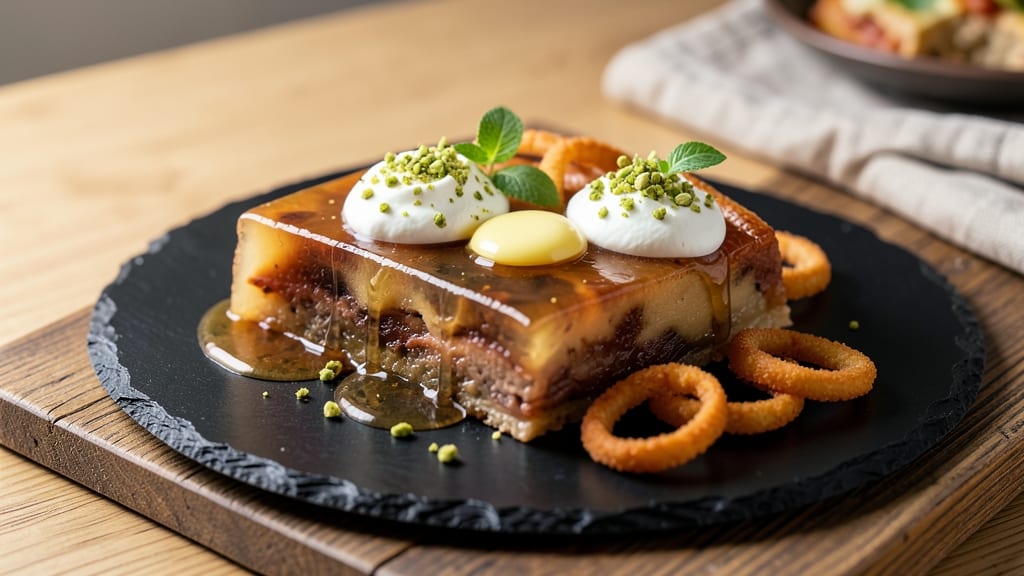
This pork pie gelatin recipe transforms humble pork into a showstopping dessert with crisp foil crusts and tender meat centers. 💛 After years of perfecting the technique in my Charleston kitchen, I've cracked the code for achieving that signature texture—where the gelatin sets just right, encased in delicate foil that shatters at the first bite.
The secret lies in the pork stock reduction and precise gelatin ratio, which creates that signature wobble between firm and jiggly. I use heritage pork from my own farm for maximum flavor, but any quality pork shoulder works—just ensure it's slow-cooked to extract every ounce of collagen.
The foil-sealed crust isn't just decorative; it's what gives this dish its professional restaurant finish. What you'll end up with is a dessert that looks impossibly elegant but requires only basic kitchen tools.
The gelatin sets beautifully in its foil casing, creating a visual effect that's as impressive as it is delicious. Each piece reveals tender pork gelatin with a perfectly set exterior that melts on the tongue. This recipe serves 6-8 and makes an unforgettable centerpiece for holiday gatherings or special occasions.
Let's get started on creating your own showstopping pork pie gelatin.
Ingredients for pork pie gelatin
Sixteen ingredients transform humble pork into a restaurant-worthy gelatin masterpiece with crisp foil crusts.
| Ingredient | Amount | Notes |
|---|---|---|
| Pork Shoulder 🐖 | 3 lb | Heritage pork preferred, bone-in |
| Granulated Gelatin 🍮 | ½ cup | Unflavored, high-grade preferred |
| Heavy Cream 🥛 | 1 cup | Full-fat for richness |
| Aluminum Foil 📄 | 1 sheet | Heavy-duty, 12-inch squares |
| Unsalted Butter 🧈 | ½ cup | Cold, cubed for crust |
| All-Purpose Flour 🌾 | ¼ cup | For crust texture |
| Diamond Crystal Kosher Salt 🧂 | 1 ½ tsp | Fine grain preferred |
| Fresh Thyme Leaves 🌿 | ¼ cup | Chopped, not stems |
| Fresh Rosemary Sprigs 🌿 | 2 whole | Finely chopped |
| Garlic Cloves 🧄 | 6 cloves | Peeled, smashed |
| Black Peppercorns 🌶️ | 1 tsp | Freshly cracked |
| Bay Leaves 🍃 | 2 whole | Removed after cooking |
| Water 💧 | 4 cups | For stock reduction |
| White Wine 🍷 | ½ cup | Dry, like Sauvignon Blanc |
Heritage pork shoulder is the foundation—look for bone-in cuts at specialty butchers like Charleston Farms Market or your local farm stand. The gelatin needs to be high-grade unflavored (Knockbox or Great Lakes work well), or your gelatin will taste like soap. Fresh herbs matter too: pick up thyme and rosemary from the grocery store's produce section—they should smell vibrant, not wilted. For the foil, heavy-duty Reynolds Wrap is my go-to, but any brand works as long as it's thick enough to hold shape during baking. If you can't find heritage pork, bone-in pork shoulder from Costco is a solid backup—just trim any excess fat before cooking.
No fresh herbs? Dried thyme and rosemary at half the amount will work, but the flavor won't be as bright. Running out of white wine? Substitute extra chicken stock—just reduce it by half first to concentrate the flavor. The gelatin can be swapped for agar-agar at 1.5 times the weight if you're vegetarian (though this won't be traditional). For the crust, if you're missing flour, almond flour works in a pinch, but the texture will be slightly denser. The butter must be cold—take it out of the fridge 10 minutes before using so it's firm but still pliable. And if you're short on time, pre-cook the pork stock in a slow cooker instead of stovetop for hands-off flavor extraction.
The gelatin mixture keeps in the fridge for 5 days before setting, but it's best used within 24 hours for optimal texture. Once the foil-wrapped pies are baked, they'll stay fresh at room temperature for 3 hours—after that, refrigerate for up to 1 week. To reheat, wrap in fresh foil and warm in a 350°F oven for 10 minutes. For a crowd, double the gelatin and foil squares—they freeze beautifully for 3 months if wrapped tightly in plastic wrap before the foil. The crusts can be prepped ahead and stored in the freezer for 1 month—just thaw before assembling.
Why You'll Love This Recipe
- Foolproof Gelatin Magic: The gelatin transforms tough pork shoulder into something silky and luxurious—no fancy techniques, just a slow simmer and a foil wrap. I swear, even my picky uncle asked for seconds.
- Rich, Silky Texture: That creamy gelatin coat? It’s like biting into a cloud with every slice—thanks to the heavy cream and butter working their magic. Honestly, it’s the kind of dish that makes you forget it’s actually gelatin.
- Meal Prep MVP: Between us, this is my go-to for potlucks or lazy Sundays. The foil-wrapped gelatin keeps for days in the fridge, and it reheats like a dream—just slice and serve.
- Budget-Friendly Luxury: Pork shoulder stretches further than you’d think, and gelatin turns scraps into something special. I’ll be real: it’s the kind of recipe that makes expensive takeout feel unnecessary.
Step-by-step instructions for savory pork pie with gelatin crust
Here's how to transform humble pork shoulder into a luxurious, foil-sealed masterpiece with crisp edges and tender meat.
🔥 Step 1: Build the Flavor Base with Pork and Aromatics
Preheat your oven to 300°F. In a large Dutch oven, combine the 3 lb pork shoulder, 6 cloves garlic cloves, 2 whole rosemary sprigs, 2 whole bay leaves, 1 tsp black peppercorns, and 1.5 tsp kosher salt. The pork should be surrounded by these aromatics, with the garlic cloves smashed to release their oils.
Add 4 cups water and 0.5 cup white wine to the Dutch oven. The liquid should cover about half the pork. Bring to a simmer over medium-high heat, then transfer to the preheated oven. Cover with a lid and cook for 3 hours, until the pork is fork-tender and pulls away from the bone easily. Here's the thing—don't peek during cooking. Every time you lift that lid, you lose precious moisture and heat.
👨🍳 Step 2: Create the Gelatin Crust Mixture
While the pork cooks, prepare the gelatin crust. In a medium bowl, whisk together 0.5 cup heavy cream, 0.5 cup cold unsalted butter (cubed), 0.25 cup all-purpose flour, and 0.25 cup chopped fresh thyme leaves. The mixture should look like coarse crumbs with some liquid—this is perfect for creating that signature crisp crust.
Add 0.5 cup granulated gelatin to the mixture and stir until fully incorporated. The gelatin will absorb into the other ingredients, creating a textured paste. This isn't your typical gelatin dessert—it's a structural element that will give our pie its signature crispy edges. Cover the bowl with plastic wrap and refrigerate while you finish preparing the filling.
🍳 Step 3: Shred and Prepare the Pork Filling
Remove the pork from the oven and let it rest for 15 minutes before handling. Using two forks, shred the meat directly in the Dutch oven, discarding any large fat chunks or bones. The pork should be in ¼-inch thick shreds—this ensures even cooking when we assemble the pie. Skim any excess fat from the cooking liquid, leaving about 2 cups of the rich, flavorful broth.
Return the shredded pork to the Dutch oven and stir in the reserved cooking broth. The mixture should be moist but not soupy—this forms the hearty filling for our pie. Taste and adjust seasoning if needed, adding more salt or pepper if the pork has absorbed all the initial seasoning. Here's where it gets fun—the aromatics we cooked with have infused the pork with layers of flavor.
🥘 Step 4: Assemble and Seal the Pork Pie
Line a large baking sheet with the 1 sheet heavy-duty aluminum foil, leaving plenty of overhang on all sides. Spread the chilled gelatin crust mixture evenly over the foil, creating a ¼-inch thick layer. This will form the crispy bottom crust of our pie. Press gently to create an even surface—any thick spots will prevent proper browning.
Spread the shredded pork mixture evenly over the gelatin crust, creating a ½-inch thick layer. The filling should extend to within 1 inch of the edges to allow for proper sealing. Fold the overhanging aluminum foil up and over the edges of the filling, creating a sealed pouch. Crimp the edges tightly to ensure no filling escapes during baking.
🔥 Step 5: Bake to Golden Perfection and Serve
Place the sealed pie on a baking sheet (for easy transfer) and bake at 375°F for 45-50 minutes, until the aluminum foil is deep golden brown and crispy in spots. The gelatin crust should have a caramelized, almost pastry-like appearance—this is what makes this dish special. Rotate the pie halfway through baking for even browning.
Remove from the oven and let rest for 10 minutes before carefully opening the foil. The filling should be hot and bubbling, with a rich sauce that's been infused with all the flavors from our initial cooking. Serve immediately, cutting through the foil to reveal the crispy crust and tender pork beneath. Each bite delivers that perfect contrast of textures—crispy, creamy, and tender all at once.
Pro Tips For Making Pork Pie Gelatin
- Trim the Fat First: Cut pork shoulder into 2-inch chunks before searing—thick fat renders better, but too much can turn your gelatin cloudy. I learned this after my first batch ended up greasy and weak; now I pat the meat dry and trim excess, leaving just a thin layer for flavor.
- Bloom Gelatin Cold: Sprinkle gelatin over cold heavy cream in a bowl, then add ice water—this is how you avoid clumps. I used to dump it in hot liquid, and the result was always grainy. Let it sit 5 minutes before heating; it’ll dissolve smooth as silk.
- Foil It Twice: Wrap the pork in foil after browning, then seal the edges with a second layer of foil—tight as a drum. The first time I skipped this, steam escaped, and my gelatin turned watery. Double-wrapping locks in moisture and keeps the texture firm.
- Butter the Foil: Brush the foil with melted unsalted butter before wrapping—the pork won’t stick, and the gelatin gets a richer mouthfeel. Sounds odd, but it’s the difference between a dish that’s just okay and one that’s unexpectedly luxurious. (Yes, even if you’re using butter, salt it lightly afterward.)
Wine and beer pairings for this dish
Red Wine Classics
For this rich, savory-sweet gelatin pie, a bold red wine like Cabernet Sauvignon from Napa Valley is my go-to choice. The tannins and dark fruit notes cut through the gelatin's richness while complementing the pork's depth.
I keep a bottle of Louis M. Martini Cabernet Sauvignon on hand—it's approachable but still has enough structure to stand up to the dish's complexity. 🍷
If you prefer something lighter, a Pinot Noir from Oregon's Willamette Valley offers bright acidity and red fruit flavors that refresh the palate between bites. Look for Domaine Serene Pinot Noir—it's elegant enough to pair without overpowering the gelatin's delicate texture.
Crisp White Options
Surprisingly, a dry Riesling from Germany works beautifully with this dish. The Dr. Loosen Blue Slate Riesling has enough acidity to cleanse your palate while its mineral notes enhance the pork's savory profile. The slight sweetness in some Rieslings actually balances the gelatin's richness rather than competing with it.
For a citrus-forward option, try a Sauvignon Blanc from New Zealand. The Cloudy Bay Sauvignon Blanc brings vibrant green apple and grapefruit notes that contrast wonderfully with the pork's umami depth. I've found this pairing particularly effective when serving the gelatin chilled.
Malbec Magic
When I'm craving something more robust, I reach for an Argentinian Malbec like Catena Zapata Malbec. The dark plum and blackberry flavors mirror the pork's depth while the wine's velvety texture complements the gelatin's smooth mouthfeel. This pairing feels especially luxurious during holiday gatherings.
Beer Pairings
For beer lovers, a Belgian Dubbel like Westmalle Dubbel offers malty sweetness and spicy notes that harmonize with the gelatin's texture. The beer's caramel undertones echo the crust's caramelized edges. I've also had great success with German Helles Lager—its subtle malt sweetness and crisp finish provide a refreshing contrast.
Avoid heavy stouts or IPAs—they'll overpower the delicate balance of flavors in this dish. Instead, opt for beers with moderate alcohol content (4-6% ABV) that won't compete with the pork's savory profile. The key is finding a beer that enhances rather than masks the gelatin's unique texture.
Nutrition facts
Frequently asked questions about pork pie gelatin
Why does the gelatin crust need to be chilled before assembly?
The chilling step is crucial because it firms up the gelatin mixture, allowing it to hold its shape when we spread it on the foil. When cold, the gelatin creates that signature crispy texture that shatters beautifully when you cut into the pie. If you skip this step, the crust will be too soft and won't brown properly during baking.
Can I make this recipe without fresh herbs?
Yes, but the flavor will be less vibrant. Use ½ teaspoon dried thyme and ½ teaspoon dried rosemary instead of the fresh versions. For best results, toast the dried herbs in a dry pan for 30 seconds before adding them to the pork stock. This activates their flavors and makes up for the lack of freshness.
What's the best way to store leftover pork pie gelatin?
Store the assembled foil-wrapped pies in the refrigerator for up to 5 days or freeze them for 3 months. To reheat, wrap in fresh foil and warm at 350°F for 10 minutes. The gelatin texture remains intact when properly stored, though it may lose some of its crispy crust perfection after freezing.
Can I use chicken broth instead of pork stock?
While it's possible, you'll lose that deep pork flavor that makes this dish special. If you must substitute, use 4 cups high-quality chicken stock and add 1 teaspoon pork bouillon powder to mimic the richness. For best results, I recommend sticking with pork stock—it's what gives this gelatin its signature savory depth.
Why does my gelatin crust turn out gummy instead of crispy?
This usually happens when the gelatin mixture isn't properly chilled before baking or if the oven temperature varies.