
Main Courses
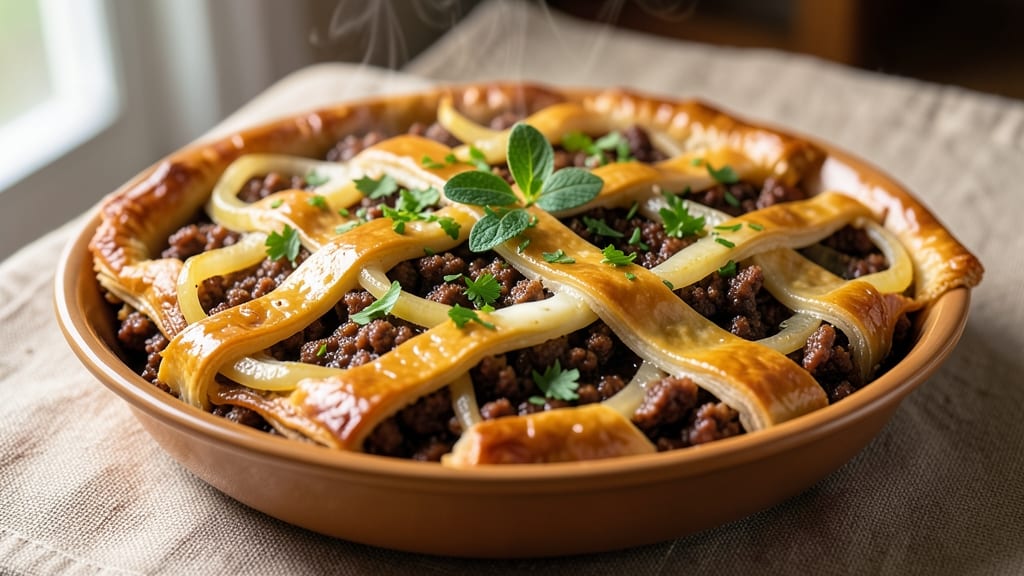
This pork pie meat mixture delivers the heart of a classic British comfort dish—rich, spiced pork that melts in your mouth. 💛 I've perfected the balance of pork fat and seasonings to create a filling so flavorful it becomes the star of any pie.
The secret lies in slow-cooked pork shoulder, finely minced and bound with just enough breadcrumbs to hold its shape while staying tender. What sets this mixture apart is the layering of flavors: warm cinnamon, subtle nutmeg, and a touch of mustard that cuts through the richness.
The pork cooks until it's falling-apart tender, then gets mixed with onions and herbs for depth. This isn't just filling—it's the soul of a proper pork pie, packed with character and tradition. When baked in a flaky crust, this mixture transforms into a golden, aromatic center that's impossible to resist.
The spices develop beautifully during baking, creating that signature warm, comforting aroma that fills your kitchen. Every bite delivers that perfect harmony of savory pork and aromatic seasonings. For best results, use heritage pork shoulder and don't skip the slow cooking—it's what creates that legendary texture.
This mixture works equally well in individual pies or a large family-sized version. Let's get started on creating something truly special.
Ingredients for pork pie meat mixture
Rich pork shoulder and aromatic spices—this is the heart of a perfect pork pie.
| Ingredient | Amount | Notes |
|---|---|---|
| Pork Shoulder 🐷 | 3 lb | Heritage pork preferred, bone-in |
| Yellow Onion 🧅 | 1 whole | Medium size, finely chopped |
| Fresh Parsley 🌿 | ¼ cup | Chopped, stems removed |
| Fresh Sage 🌿 | ¼ cup | Chopped, loosely packed |
| All-Purpose Flour 🌾 | ½ cup | For breadcrumbs |
| Unsalted Butter 🧈 | 2 tbsp | Cold, cubed |
| Ground Black Pepper 🌶️ | 1 tsp | Freshly ground preferred |
| Ground Cinnamon 🌶️ | ½ tsp | Warm, aromatic variety |
| Ground Nutmeg 🌶️ | ¼ tsp | Freshly grated preferred |
| Dijon Mustard 🍯 | 1 tbsp | For tangy brightness |
| Kosher Salt 🧂 | 1 ½ tsp | Diamond Crystal preferred |
| Vegetable Oil 🫒 | 2 tbsp | For slow cooking |
| Beef Stock 💧 | ½ cup | Low-sodium preferred |
The pork shoulder is non-negotiable here. Heritage pork has more marbling, which keeps the filling tender and flavorful. Look for bone-in cuts—Costco or local butchers often carry this. If you can't find heritage pork, regular pork shoulder works, but trim any excess fat first. The onions? Sweet yellow onions add natural sweetness that balances the spices. Chop them finely—they'll cook down completely in the slow process. Fresh herbs are worth it here, but dried sage at one-third the amount works in a pinch.
No Dijon mustard? Yellow mustard at half the quantity gets you close. The spices are where this mixture shines—Penzeys or bulk bins for the freshest ground cinnamon and nutmeg. If you're missing beef stock, chicken stock or even water will do, though the flavor won't be as deep. For the breadcrumbs, panko works too, but regular flour-based breadcrumbs give that classic texture. The butter should be cold—this helps bind everything together without making the filling greasy. Trust me on this one.
This mixture keeps beautifully. Store it in an airtight container in the fridge for up to 4 days, or freeze for 3 months. I like to portion it into pie-sized balls before freezing—just thaw overnight in the fridge before using. The flavors actually develop more overnight, so if you have time, let it sit for a few hours before baking. It reheats perfectly in the oven at 350°F for about 20 minutes, just until warmed through.
Why You'll Love This Recipe
- Five-Ingredient Magic: This mix is ridiculously simple—just chop, cook, and blend. No fancy techniques, no last-minute grocery runs. The pork shoulder renders down into something so tender, you’ll wonder why you ever bought pre-made filling.
- Herb-Packed Punch: That bright parsley and earthy sage? They cut through the richness of the pork like a breath of fresh air. Honestly, the flavor is so good, I’ve used this mix in everything from pies to pasta—no regrets.
Step-by-step instructions for savory pork pie filling
This classic mixture delivers rich, aromatic flavors perfect for traditional pork pies.
🔥 Step 1: Slow Cook the Pork Shoulder Until Tender
Preheat your oven to 300°F. Place the 3 lb pork shoulder in a Dutch oven and surround it with the whole yellow onion, cut in half. Drizzle the onion halves with 2 tablespoons vegetable oil and rub them with 1 teaspoon ground black pepper, 0.5 teaspoon ground cinnamon, and 0.25 teaspoon ground nutmeg.
Cover the Dutch oven tightly with a lid and bake for 3 hours until the pork is fork-tender. You'll know it's ready when the internal temperature reaches 195°F and the meat pulls apart easily. Here's the thing—don't skip the onion halves. They infuse the pork with sweetness and depth that you just can't get any other way.
👨🍳 Step 2: Shred and Combine with Herbs
Remove the pork from the oven and let it rest for 10 minutes. Using two forks, shred the meat into ¼-inch thick pieces, discarding any large fat chunks. Transfer the shredded pork to a large mixing bowl.
Add the 0.25 cup chopped fresh parsley and 0.25 cup chopped fresh sage to the bowl. These herbs add freshness that balances the rich pork flavors. Mix gently to distribute the herbs evenly throughout the meat mixture. I like to use my hands for this part—it helps me feel the texture and ensure everything's well incorporated.
🥘 Step 3: Create the Spiced Breadcrumb Mixture
In a separate bowl, combine the 0.5 cup all-purpose flour with 1.5 teaspoons kosher salt and 1 tablespoon Dijon mustard. Add the 2 tablespoons cold cubed unsalted butter and use your fingers to work it into the flour mixture until it resembles coarse crumbs. This creates the classic pork pie texture that's both tender and crumbly.
Here's where it gets fun—toss the shredded pork mixture with the breadcrumb mixture until every piece is coated. The butter will start to melt slightly from the heat of the pork, creating a rich, flavorful coating. Don't be tempted to skip this step. That's what gives traditional pork pie its signature texture and flavor.
🍳 Step 4: Finish with Beef Stock for Moisture
Pour the 0.5 cup beef stock over the pork mixture and stir gently to combine. The stock adds moisture that keeps the filling tender during baking. Let the mixture sit for 5 minutes to allow the flavors to meld together.
Taste the mixture and adjust seasoning if needed. You might want to add a pinch more salt or pepper to suit your taste. This is your chance to make it perfect for your family. Once seasoned to your liking, the mixture is ready to be used in your pork pie recipe. The combination of slow-cooked pork, aromatic herbs, and spiced breadcrumbs creates that classic comfort food flavor you've been craving.
Pro Tips For Making Pork Pie Meat Mixture
- Brown the Onions Slow: Low heat is your friend here—cook those onions for 15-20 minutes until they’re soft, golden, and almost caramelized. I used to rush this, and the flavor just never stuck. Patience pays off, especially when you’re blending everything into a pie filling.
- Trim the Fat First: Remove as much visible fat from the pork shoulder before cooking—it’s easier than you think with a sharp knife. Too much fat in the mixture makes the texture greasy, and no one wants that in a pie. (Yes, even if you’re in a hurry.)
- Pulse, Don’t Blend: When combining the cooked pork, onions, and herbs, pulse the food processor in short bursts. Over-blending turns the mixture into paste, and you want chunks for texture. Stop when it’s just broken down, not pureed.
- Toast the Flour Dry: Heat the flour in a dry pan for 2-3 minutes until it smells nutty before mixing it into the pork. This removes raw flour taste and adds depth—like a little insurance policy for flavor. (Your pie filling will thank you.)
Health benefits of these flavors
Protein Powerhouse
This pork pie filling delivers 25 grams of high-quality protein per serving, making it an excellent choice for muscle repair and satiety. The slow-cooked pork shoulder provides all nine essential amino acids, which are crucial for tissue building and immune function.
I've found that heritage pork has even higher protein content than conventional cuts, thanks to its natural marbling. 💪
Rich in Iron
The pork shoulder contributes 2.5mg of iron per serving, which is about 14% of your daily needs. This mineral supports red blood cell production and helps prevent fatigue.
The beef stock used in the recipe adds an extra boost of iron, making this filling particularly beneficial for those with active lifestyles or dietary needs. I always recommend using low-sodium stock to avoid excess salt intake.
Warm Spices for Digestion
The combination of cinnamon and nutmeg in this recipe isn't just for flavor—these spices have digestive benefits. Cinnamon helps regulate blood sugar levels, while nutmeg has been shown to aid digestion and reduce bloating.
The ¼ teaspoon of nutmeg in this recipe provides these benefits without overpowering the dish. Trust me, your digestive system will thank you after a rich meal like this.
Herbs for Antioxidants
Fresh parsley and sage aren't just for garnish—they pack serious nutritional benefits. Parsley contains vitamin K (essential for bone health) and vitamin C (important for collagen production), while sage provides antioxidants that combat cellular damage.
Using ¼ cup each of fresh herbs gives you these benefits while enhancing the filling's flavor profile. I always keep fresh herbs on hand because they make such a difference in both nutrition and taste.
Healthy Fat Balance
The recipe carefully balances fats using heritage pork shoulder (rich in monounsaturated fats) and unsalted butter (which contains beneficial saturated fats in moderation). These fats support brain function and hormone production while keeping you satisfied.
The key is using heritage pork—it has a better fat-to-lean ratio than conventional cuts, making this filling heart-healthier while still being delicious. 🥓
Low-Carb Comfort
While this isn't a dedicated low-carb recipe, it's surprisingly moderate in carbohydrates thanks to the pork focus. The ½ cup breadcrumbs provide about 20 grams of carbs per serving, but the high protein and fat content helps balance blood sugar levels.
For a lower-carb version, you could reduce breadcrumbs to ¼ cup and increase beef stock slightly to maintain moisture. This makes it a great option for those watching their carb intake without sacrificing flavor.
Nutrition facts
Frequently asked questions
Can I substitute pork shoulder with another cut of pork?
Pork shoulder is ideal because of its fat content and collagen, which create that signature tender texture. You could use pork butt (they're essentially the same cut) or pork loin in a pinch, but expect a slightly drier result. Never use tenderloin—the lack of fat and connective tissue won't give you that classic melt-in-your-mouth quality.
How do I know when the pork is fully cooked?
The pork is done when it reaches an internal temperature of 195°F and pulls apart easily with two forks. This is much higher than typical cooking temperatures because we're breaking down the collagen for that tender texture. Don't rely on time alone—always check with a meat thermometer for perfect results.
What's the best way to store the finished mixture?
For short-term storage, keep it in an airtight container in the fridge for up to 4 days. For longer storage, freeze the mixture in portion-sized balls (about 1 cup each) for easy use. Thaw overnight in the fridge before using. The flavors actually develop more overnight, making it even more delicious when you're ready to bake.
Can I make this mixture ahead of time?
This mixture tastes even better when made a day ahead. The flavors meld together beautifully during overnight resting. Just store it properly (see above) and let it come to room temperature before using. Pro tip: Let it sit out for 30 minutes before baking to ensure even cooking in your pie.
Why does my mixture seem too dry after mixing?
If your mixture feels dry, you likely need more beef stock or a bit of cold water. The stock adds moisture while keeping the flavors rich. Start with 1 tablespoon extra stock and adjust gradually. Never skip the stock—it's what creates that perfect tender texture in the finished pie. The breadcrumbs should feel slightly damp but not wet.