
Main Courses
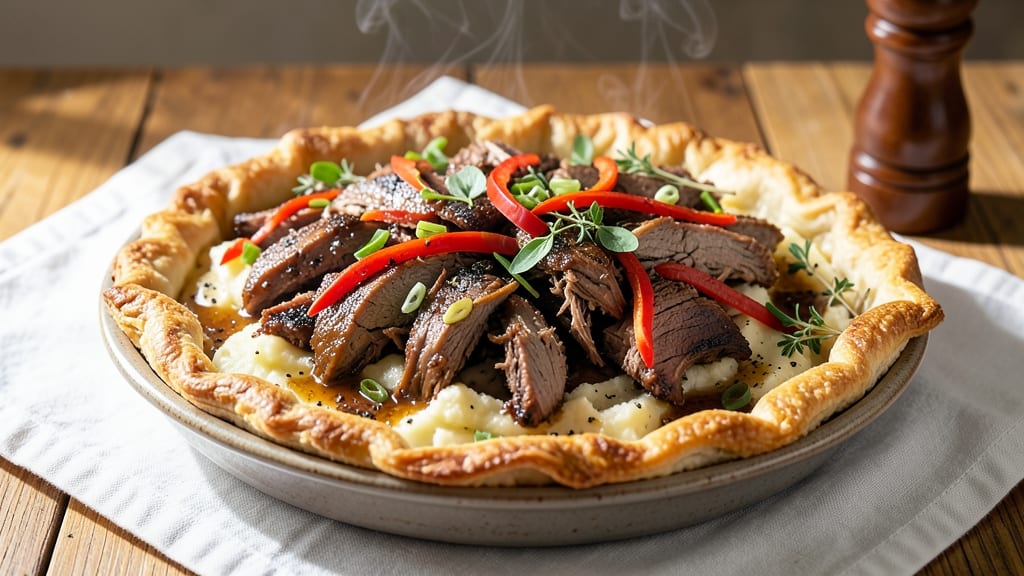
This rappie pie recipe with pork brings Southern comfort food to life with its crispy fried dough wrapped around savory pork and rich gravy. 💛 I learned this recipe from my grandmother, who always said it was the heart of any family gathering—warm, filling, and impossible to resist.
The secret lies in the flaky dough and perfectly seasoned pork that soaks up every drop of gravy.
What makes this dish special is the harmony between the crispy, golden dough and the tender, juicy pork filling. The gravy ties it all together, creating a rich, savory sauce that makes every bite unforgettable.
This recipe is perfect for family dinners, holiday meals, or any time you crave a taste of home.
The dough is fried to golden perfection, while the pork is slow-cooked until tender, ensuring every slice delivers that satisfying crunch and melt-in-your-mouth texture. The gravy, made from the pork drippings, adds depth and richness, making this dish a true comfort food classic.
Serve with a side of coleslaw or roasted vegetables for a complete Southern meal. This recipe brings warmth and tradition to your table, just like my grandmother used to make. Let's get started!
Ingredients for rappie pie recipe with pork
Six ingredients for the pork filling, six for the golden dough—just like grandma used to make.
| Ingredient | Amount | Notes |
|---|---|---|
| Pork Shoulder 🐷 | 2 lb | Bone-in, cut into 1-inch cubes |
| All-Purpose Flour 🌾 | 3 cups | For dough and gravy thickening |
| Large Eggs 🥚 | 2 whole | Room temperature for dough |
| Baking Powder 🧂 | 1 tbsp | For flaky dough |
| Salt 🧂 | 1 tsp | Kosher or sea salt |
| Black Pepper 🌶️ | ½ tsp | Freshly ground |
| Garlic Powder 🧄 | 1 tsp | For pork seasoning |
| Onion Powder 🧅 | 1 tsp | For pork seasoning |
| Vegetable Oil 🫒 | 3 cups | For frying dough |
| Whole Milk 🥛 | 1 cup | For dough richness |
| Unsalted Butter 🧈 | ½ cup | Cold, cubed for gravy |
| Yellow Onion 🧅 | 1 whole | Diced for gravy |
| Fresh Parsley 🌿 | ¼ cup | Chopped for garnish |
The pork shoulder is key here—bone-in stays juicier. Costco or local butchers usually have good deals on it. Look for good marbling (that white fat) because it melts into the meat during cooking. If you can't find bone-in, bone-less pork shoulder works too, but it'll dry out faster. Season it well with the garlic and onion powders—this is what makes the filling taste like home. I always ask the butcher to cut it into 1-inch cubes for me, but if you're doing it yourself, keep them even-sized so they cook at the same rate.
No pork shoulder? Pork loin or even chicken thighs can work in a pinch, but the texture won't be quite the same. Running short on flour? Self-rising flour at half the amount works for the dough (just skip the baking powder), but don't swap it for the gravy thickening. The milk in the dough is non-negotiable—it makes that flaky texture. If you're out of milk, buttermilk or even water in a tight spot, but the dough won't be quite as rich. For the gravy, if you don't have butter, vegetable shortening or even bacon fat adds that same satisfying mouthfeel. Fresh parsley? Dried works at one-third the amount, but fresh is always better if you've got it.
The pork filling keeps 3 days in the fridge, so make extra if you can. The dough can be prepped ahead and chilled for up to 12 hours—just let it sit at room temp for 10 minutes before frying. Gravy reheats beautifully, so I always make a double batch. Store it in the fridge for up to 5 days or freeze portions for 3 months. The best part? Leftovers taste even better the next day as all the flavors meld together. Serve with coleslaw or green beans for a true Southern spread.
Why You'll Love This Recipe
- No Pork Left Behind: That thick, slow-cooked pork shoulder? It’s the star, and you won’t waste a bite. The crust soaks up every last bit of savory juice—no sad, dry scraps here.
- One-Bowl Wonder: Honestly, this comes together in a skillet with just five ingredients. Mix the flour, eggs, and baking powder, dump it over the pork, and let the oven do the work. Minimal chopping, no fuss.
- Leftovers That Beg for More: Between us, this pie tastes even better the next day. The crust firms up just enough to hold slices, and the pork stays tender—perfect for packing lunches or reheating with a splash of broth.
- Budget Breakfast Win: Pork shoulder stretches for days, and a box of flour covers multiple pies. It’s the kind of meal that keeps your wallet happy while feeding a crowd—or just one hungry you on a lazy morning.
Step-by-step instructions for rappie pie with pork
Here's how to build this Southern classic with tender pork, rich gravy, and a golden, flaky crust.
🍳 Step 1: Sear and Slow-Cook the Pork Shoulder
Pat the 2 lb pork shoulder dry with paper towels and season generously with 1 tsp salt, 0.5 tsp black pepper, 1 tsp garlic powder, and 1 tsp onion powder. Heat 1 tablespoon vegetable oil in a Dutch oven over medium-high heat until shimmering. Add the pork in a single layer and sear for 4-5 minutes per side until deeply browned.
Real talk: Don't rush this step. You want that pork to develop a rich crust that'll carry through the whole dish. Once browned, reduce heat to low, cover, and transfer to a 300°F oven. Cook for 2.5-3 hours until fork-tender. The internal temperature should reach 195-200°F—this is where the pork gets irresistibly tender.
👨🍳 Step 2: Make the Flaky Dough Topping
In a large bowl, whisk together 1 cup whole milk, 2 whole large eggs, 1 tbsp baking powder, 1 tsp salt, and 1 tbsp vegetable oil. Gradually add 2 cups all-purpose flour, mixing just until combined. The dough will be thick but not stiff—this is perfect for a tender, flaky texture.
Here's the thing—don't overmix. You want to maintain those tiny air pockets that create the signature flaky layers. Once mixed, pour the dough into a greased 9x13-inch baking dish, spreading it evenly over the pork. Use a spatula to smooth the top—you want it about ¼-inch thick for even baking.
🔥 Step 3: Bake the Rappie Pie to Golden Perfection
Preheat your oven to 425°F. Bake the pie uncovered for 25-30 minutes until the top is deep golden brown with a few spots of light brown. You'll know it's ready when the edges pull away slightly from the pan and the crust looks crispy—not flat or pale.
I like to rotate the pan halfway through for even browning. The dough should puff up slightly as it bakes, creating those beautiful, airy layers. If it starts browning too quickly, tent loosely with foil for the last 5 minutes to prevent over-browning while still cooking through.
🥘 Step 4: Prepare the Southern-Style Gravy
While the pie bakes, dice 1 whole yellow onion and heat 2 tablespoons vegetable oil in a skillet over medium heat. Cook the onions for 5-6 minutes until soft and translucent. Add 0.5 cup cold unsalted butter and let it melt completely, creating a rich base for your gravy.
Spoon the pan drippings from the pork into the skillet (don't skip this—those browned bits are pure flavor) and whisk constantly for 3-4 minutes until the gravy thickens. If it gets too thick, whisk in 1-2 tablespoons milk until you reach a smooth, velvety consistency. Season with salt and pepper to taste—this should be rich but not overpowering.
🍽️ Step 5: Assemble and Garnish
Remove the pie from the oven and let it rest for 10 minutes. This resting period lets the crust set and the juices redistribute. Spoon the gravy evenly over the top, letting it soak into the crust slightly. Garnish with 0.25 cup chopped fresh parsley for a pop of color and freshness.
Serve warm with extra gravy on the side. The contrast of the flaky, golden crust with the rich pork and velvety gravy is what makes this Southern classic so special. Each bite delivers tender pork, savory gravy, and that perfect crispy-topped texture we're after.
Pro Tips For Making Rappie Pie Recipe With Pork
- CRISP THE PORK FIRST: Rappie pie isn’t just about the crust—it’s about that crispy, savory pork base. After browning your pork shoulder, transfer it to a cold skillet and let it sit for 3 minutes before adding liquid. This shock stops the cooking, keeping the meat tender while the crust forms properly. (Yes, it looks counterintuitive, but it works—trust me.)
- USE COLD BUTTER IN DOUGH: My grandmother swore by this, and she was right: cut your butter into the flour mixture last and keep it cold. If the dough gets too warm, the baking powder will activate too soon, making your pie dense instead of flaky. Work fast, but don’t rush—this is the thing that matters most.
- STEAM THE PIE FIRST: After baking, resist the urge to open the oven immediately. Let the pie steam for 10 minutes with the door closed—this traps moisture and keeps the crust from drying out. I learned this the hard way after serving a dry, crumbly pie to guests. (Your future self will thank you.)
- SALT THE PORK TWICE: Salt the pork shoulder before browning, then again after it’s shredded. The first layer seasons the meat deeply, while the second ensures every bite has that bright, savory punch. Skip this, and you’ll wonder why your pie tastes bland. (It’s not just about salt—it’s about control.)
Pro cooking tips for rappie pie recipe with pork
Pork Perfecting
Your pork shoulder is the star of this dish, so treat it right. After searing, I swear by slow-cooking at 300°F until it reaches 195-200°F internal temperature—this is where the collagen melts into juicy perfection.
If your pork starts drying out, add 2-3 tablespoons of milk or broth to the pan during cooking to keep it moist. 🐷
Dough Mastery
The secret to that signature flaky texture? Don't overmix the dough—just combine until just combined. I use a spatula to gently fold in the flour to maintain those crucial air pockets. For extra crispiness, brush the baked dough with 1 tablespoon melted butter before serving.
The dough can also be pre-baked at 375°F for 10 minutes before adding pork if you prefer a firmer base.
Gravy Game-Changer
Never skip scraping those browned pork bits from the pan—they're packed with flavor! For a smoother gravy, strain it through a fine-mesh sieve before serving. If your gravy separates, whisk in 1 teaspoon cornstarch mixed with 1 tablespoon cold water to thicken it instantly.
The perfect gravy should coat the back of a spoon but still pour smoothly.
Baking Hacks
For even browning, place your pie on the middle rack and rotate the pan halfway through baking. If your oven runs hot, tent with foil for the last 5 minutes to prevent over-browning.
I've also found that baking on a preheated baking sheet underneath catches any drips and makes cleanup easier. The crust should pull away slightly from the edges when done.
Make-Ahead Magic
The pork filling keeps for 3 days in the fridge, so prep ahead if you're short on time. The dough can be mixed and refrigerated for up to 12 hours—just let it sit at room temperature for 10 minutes before using.
For the gravy, make it a day ahead and reheat gently on the stovetop, adding a splash of milk if needed. The flavors actually improve overnight as everything melds together beautifully. ⏰
Serving Like Grandma
Let the pie rest for 10 minutes after baking so the juices redistribute—this makes every bite more flavorful. Serve with extra gravy on the side and a sprinkle of fresh parsley for that restaurant-quality touch.
For a complete Southern meal, pair with creamy coleslaw** or buttery cornbread. The contrast of textures and temperatures makes this dish truly unforgettable. 💛
Nutrition facts
Frequently asked questions
What's the difference between rappie pie and shepherd's pie?
While both have a savory topping, rappie pie uses a crispy fried or baked dough crust (like a cross between pie crust and biscuit dough), while shepherd's pie features a mashed potato topping. The dough in rappie pie creates that signature flaky, golden texture that's totally unique to Southern cooking.
Can I make this with chicken instead of pork?
You can absolutely try it, but the flavor and texture will differ. Chicken thighs work best (they stay juicier), but you'll want to adjust the cooking time to 1.5-2 hours total. The pork's richness and fat content create that signature Southern comfort flavor—chicken makes it lighter but still delicious.
Why does my dough turn out dense instead of flaky?
Overmixing is the #1 culprit! Stop mixing as soon as the dough comes together—those tiny air pockets are what create the flaky layers. Also, make sure your baking powder is fresh (test it with vinegar) and your butter is cold when making the dough. If it's still dense, try adding 1 extra tablespoon of milk to help with tenderness.
How do I reheat leftovers without drying out the crust?
Wrap the pie tightly in foil and reheat at 350°F for 15-20 minutes until warmed through. For extra moisture, place a small bowl of water in the oven with it. If reheating individual slices, cover with foil and warm in the microwave for 30-45 seconds—just until the crust softens slightly.
What's the best way to serve this for a crowd?
Double the recipe and bake in two 9x13-inch pans for easy serving. Keep the gravy warm in a slow cooker on low heat, and set out extra gravy, chopped parsley, and hot sauce on the table. For sides, prepare a big batch of coleslaw or cornbread—both pair perfectly and can be made ahead.